

Chic 20+ Winter Skirt Outfit Ideas That Actually Work
I love wearing skirts in winter, but I know that looking stylish is only half the challenge. Cold wind, wet sidewalks, static cling, and tights that refuse to stay in place can quickly turn a good outfit into an uncomfortable one. I prefer winter skirt outfits that look polished while keeping me warm enough for everyday errands, work, and evenings out.
The secret is choosing the right fabrics, layering thoughtfully, and matching each skirt with practical footwear and outerwear. From leather minis and satin midis to pleated skirts and flowing maxis, I can create plenty of winter looks without relying on bare legs or sacrificing comfort.
I can make winter skirt outfits work in cold weather by combining warm skirts, suitable tights, insulated layers, and weather-appropriate shoes. Monochrome outfits create a streamlined appearance, while black-and-white combinations add contrast.
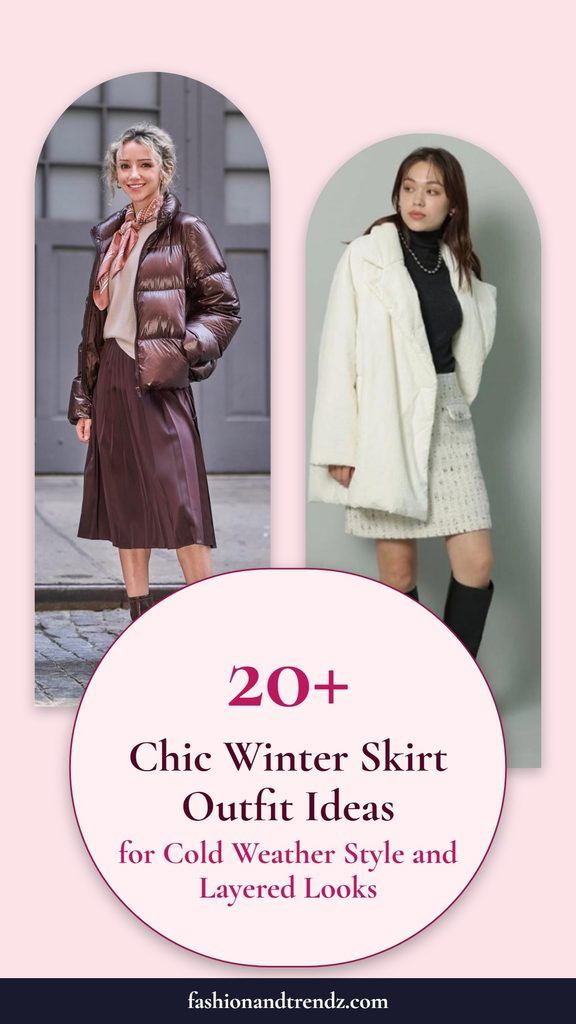
Mixing wool, leather, satin, and knitwear gives an outfit more character without requiring extra layers. I also pay attention to practical details, including skirt length, wind protection, static control, and footwear that can handle wet or slippery streets.
Related article: 40+ Fall Skirt Outfits 2026 That Are Cute, Cozy & So Easy to Style
25 Winter Skirt Outfits for Actual Cold Days
When I plan a winter skirt outfit, I consider where I am going, how long I will be outdoors, and whether the weather is dry, wet, or windy. A look that works for a heated office may not provide enough protection for a long walk or a cold morning commute.
These outfit combinations offer different ways to wear skirts throughout winter. I focus on practical styling choices that help each look feel comfortable, coordinated, and suitable for everyday life.
The Monochrome Method
One of my favorite ways to simplify winter dressing is to build an outfit around a single color. Matching the skirt, knitwear, and coat creates a cohesive appearance, while differences in texture keep everything from looking flat.
I often use charcoal, black, chocolate brown, or cream as my starting point. Small details such as a leather belt, textured handbag, or contrasting shoes can add enough interest without disrupting the overall color scheme.
Charcoal Layers with a Brown Accent

I would pair a charcoal wool coat with a matching cardigan and midi skirt for a refined outfit that works well for the office or a casual dinner. Opaque tights help keep my legs warm, while dark brown leather Mary Jane shoes and a coordinating tote introduce a subtle contrast.
Tortoiseshell glasses would complement the muted colors and add a vintage-inspired finish. I find that mixing wool, smooth leather, and knitted fabrics makes a monochrome outfit look more interesting than relying on identical materials.
When snow or slush covers the sidewalks, I would replace delicate Mary Janes with brown ankle boots featuring a grippy rubber sole. The outfit keeps its coordinated appearance while becoming more practical for walking.
The Belted Blazer and Pleated Skirt

For a structured winter outfit, I like the idea of combining a dark brown oversized blazer with a matching leather belt and a flowing pleated midi skirt. Black ankle boots provide contrast, while understated accessories keep the look polished.
The belt helps define the waist without requiring a fitted blazer, and the movement of the pleats softens the overall silhouette. For extra warmth, I would look for a skirt made from a substantial fabric or one with a suitable lining.
I would wear a thin thermal top beneath the blazer on particularly cold mornings. It adds insulation without changing the shape of the outfit, and I can remove an unnecessary layer when I reach a warm office.
Leather Mini, Sheer Tights, and a Long Coat

A dark brown leather mini skirt can look sophisticated when I balance its shorter length with a long wool coat and a comfortable knit sweater. Black tights and pointed slingback heels create a dressier finish, although I would reserve this shoe combination for dry days with limited walking.
For colder conditions, I prefer opaque thermal tights. If I want the appearance of a sheer finish, I can experiment with compatible tights in matching shades, provided the layers fit comfortably and do not restrict movement.
A long coat also helps reduce the amount of wind reaching my legs. For a busy day outdoors, I would exchange the slingbacks for block-heel ankle boots.
Check that the skirt and tights sit smoothly at the waist before leaving home. A comfortable fit makes a bigger difference to the final appearance than adding more accessories.
Olive Leather Midi with a Cocoa Coat

I like combining an olive green leather midi skirt with a black turtleneck and an oversized cocoa-brown wool coat. A brown belt with a gold buckle can define the waist, while a black quilted handbag and dark footwear keep the color palette balanced.
Olive adds depth without overwhelming the neutral colors. The leather surface also provides a different texture from the wool coat and knitted top, making the outfit feel considered rather than overly coordinated.
I would wear pointed-toe shoes for an indoor event or switch to weather-resistant ankle boots for a winter commute. Before treating a leather skirt with any protective product, I would check the manufacturer’s care instructions and test the product on a hidden area.
I keep the accessories simple when wearing two strong textures, such as leather and heavy wool. A structured bag and one or two gold details are usually enough.
The Belted Puffer and a Long Dark Skirt

On especially cold days, I would combine an ankle-length espresso skirt with a matching belted puffer coat. The similar colors create a continuous visual line, while the belt gives the padded coat a more defined shape.
Leather gloves and pointed-toe boots can make the outfit feel polished without adding complicated styling details. For outdoor comfort, I would prioritize a puffer with effective insulation, a high collar, and enough room for a warm layer underneath.
A long skirt offers useful coverage, but I would check that the hem does not drag through wet snow or interfere with walking. Waterproof boots are a sensible choice when the streets are messy.
I choose a puffer based on its warmth, fit, and weather resistance rather than its appearance alone. A well-fitting coat should let me move freely without leaving large gaps where cold air can enter.
High-Contrast Pairings
Black and cream are two colors I often turn to when I want a winter outfit to look crisp and balanced. The contrast makes simple pieces stand out, and I can easily adapt the same color combination for work, shopping, or an evening out.
I usually keep the accessories within the same palette so the outfit feels coordinated. A small metallic detail or textured bag can add personality without making the look feel too busy.
White Coat, Black Tights, and Tweed

I would style a cream wool coat over a black turtleneck and a white tweed mini skirt for a classic winter combination. Black tights and knee-high boots connect the darker elements, while a gold belt and matching shoulder bag add a subtle accent.
The tall boots are especially useful with a mini skirt because they cover more of the leg and create a balanced silhouette. For office wear, I would keep the accessories understated and choose a coat that offers enough room for a warm sweater.
When walking on icy pavement, I choose boots with dependable traction instead of relying on a heel that looks elegant but feels unstable. A fashionable outfit should still let me walk confidently.
Leather Jacket Over a White Denim Maxi

A black leather jacket and black knit sweater create a strong base for an off-white denim maxi skirt. I would finish the look with black ankle boots, a compact shoulder bag, and simple gold hoop earrings.
A front slit gives the long skirt more movement and makes walking easier. I also look for heavier denim or a lined design when temperatures drop, since thin, unlined fabric may not offer enough protection against cold wind.
This combination is a good choice for errands, casual lunches, or relaxed Fridays at work. It feels modern without depending on exposed skin.
Before wearing a long skirt on a busy day, I check the slit height and hem length while walking and sitting. That quick check helps me avoid uncomfortable adjustments later.
The Shearling Jacket and Black Mini

For a cozy weekend outfit, I would pair a cream faux-shearling jacket with a black mini skirt, black tights, and knee-high boots. A quilted chain-strap bag adds structure, while oval sunglasses provide a simple finishing detail.
The cream jacket stands out against the darker pieces, and its textured surface gives the outfit plenty of visual interest. If I want the proportions to look balanced, I prefer a jacket that finishes around the hip rather than one that overwhelms the skirt.
I check the care label before cleaning faux shearling. Some materials can become matted or lose their texture when exposed to unsuitable heat or cleaning products.
Cropped Cream Sweater, Black Leather Midi

A cream ribbed turtleneck paired with a high-waisted black faux leather midi skirt creates a clean contrast. I would add black ankle boots and a structured handbag, then use small gold earrings or a headband for extra detail.
The high waist works well with a cropped sweater because the skirt defines the silhouette. However, I would not leave my midriff exposed on a freezing day just to recreate the look. A fitted thermal camisole underneath can provide extra coverage without adding much bulk.
I check the sweater’s length while sitting and reaching forward. A top that looks cropped while standing may shift more than expected during a full day of movement.
White Turtleneck, Black Maxi, Pointed Pumps

I would combine an oversized white ribbed turtleneck with a black column maxi skirt for an understated winter outfit. Pointed pumps and a cream top-handle bag add contrast, while a simple watch keeps the accessories restrained.
The long, straight silhouette looks especially neat when the skirt falls smoothly and the sweater is tucked in or partially tucked. For practical everyday wear, I would replace the pumps with ankle boots when the pavement is wet or slippery.
The hem deserves particular attention. I prefer a length that sits just above the ground and does not collect dirt, salt, or melted snow.
Try the skirt with your actual winter shoes before deciding whether it needs hemming. Even a small difference in heel height can affect how the fabric falls.
Texture on Texture
I find that mixing textures is one of the easiest ways to make winter outfits feel interesting. Wool, satin, leather, mohair, and tulle each behave differently, so combining them can create contrast without requiring bright colors or excessive accessories.
The key is balancing lightweight materials with more substantial pieces. A warm coat, suitable tights, and an appropriate base layer can make a delicate-looking skirt more comfortable in cold weather.
Satin Midi, Wool Coat, and Cozy Knits

A beige wool-blend coat looks lovely with a cream satin midi skirt, especially when I add a chunky knit scarf and dark brown leather gloves. Suede ankle boots and a matching hobo bag introduce earthy tones that complement the soft colors.
Satin can feel thin in cold weather, so I would wear a smooth slip underneath when the skirt needs extra coverage or tends to cling to tights. A thermal layer beneath the sweater can also help on colder mornings.
I check the care instructions before ironing or steaming satin. Using the wrong temperature can damage the surface, particularly on delicate synthetic fabrics.
Charcoal Knit, White Satin, and Lace

I would pair an oversized charcoal sweater with a white satin midi skirt finished with a lace hem. Chocolate-brown suede boots and a matching shoulder bag add structure, while simple glasses or small earrings keep the look understated.
The contrast between the heavier knit and the delicate skirt creates a balanced outfit for a creative workplace, lunch, or an afternoon gathering. If I am concerned about static, I use a compatible anti-static product according to its label or add a smooth slip between the skirt and tights.
I avoid rubbing delicate satin with rough fabrics or accessories. Keeping the skirt away from abrasive surfaces helps reduce snags and protects its finish.
Grey Wool Meets a Cloud of Tulle

A relaxed grey wool sweater paired with a layered white tulle midi skirt gives me a combination of soft volume and cozy texture. Dark brown ankle boots and a structured cylindrical bag provide contrast against the lighter fabrics.
Tulle alone offers little protection from the cold, so I would wear warm tights and consider adding a lightweight slip underneath. The slip can also reduce friction and help keep the skirt from clinging to my legs.
For windy days, I prefer a coat that covers the skirt’s waistband and upper portion. That extra layer can make the outfit more comfortable while preserving the airy look of the tulle.
I test a tulle skirt with the tights I plan to wear before leaving home. Some combinations create more static than others, and a quick trial helps me choose a better base layer.
Bomber Jacket, Satin Skirt, Lace Trim

For a more relaxed evening look, I would style a black bomber jacket over a white satin midi skirt with black lace trim. Black ankle boots and a quilted shoulder bag tie the darker pieces together, while gold jewelry adds a little contrast.
The jacket’s structured shape balances the fluid skirt, making the combination feel casual but still put together. On colder nights, I would choose a lined bomber and wear a warm layer beneath it.
Satin can cling to tights when indoor heating dries the air. I would start with a smooth slip and use an appropriate anti-static treatment if needed, testing it first on an inconspicuous area.
I keep the jacket and skirt in good condition by storing them according to their fabric requirements. Leather, satin, and lace may need different cleaning methods, so one universal care routine is not always suitable.
Mohair Sweater, Charcoal Midi, Tall Boots

A cream mohair sweater paired with a charcoal midi skirt creates a comfortable winter outfit with a strong contrast in color and texture. Brown knee-high boots add structure, while a dark woven clutch keeps the overall palette grounded.
Mohair knitwear can shed loose fibers, especially when new. I would use a gentle fabric brush or a lint roller designed for clothing to remove loose fibers before heading out.
Tall boots also make this combination practical because they cover much of the lower leg and work well with tights. I would make sure the skirt leaves enough room for comfortable movement rather than pulling tightly over the boot shaft.
I check the sweater against my coat before wearing both together. If the fabrics transfer fibers easily, a quick lint check before leaving can prevent dark outerwear from looking untidy.
Baseball Cap, Satin Skirt, and Loafers

For a casual streetwear-inspired outfit, I would pair a charcoal mohair sweater with a black satin midi skirt, leather loafers, and a simple baseball cap. Grey socks and a gold chain necklace add small details without taking attention away from the main pieces.
The satin skirt softens the sporty feel of the cap, while the loafers keep the outfit relaxed and easy to wear. If the skirt is unlined, I would add a smooth black slip to improve coverage and reduce friction.
This combination suits dry winter days, casual errands, and afternoon meetups. For wet weather, I would choose more protective footwear and a coat that can handle the conditions.
I keep the socks thin enough to fit comfortably inside my loafers. Thick socks can crowd the shoe and cause rubbing during longer walks.
Preppy & Put Together
Preppy winter outfits work well because they combine familiar wardrobe pieces with practical layers. I like using pleated skirts, collared shirts, V-neck sweaters, wool coats, and tall boots to create outfits that feel classic without looking too formal.
A few thoughtful choices can make these combinations feel more current. I often use a rich accent color, a textured bag, or a different shoe shape to keep the look from becoming too uniform.
Argyle Cardigan, Pleated Mini, Tall Boots

I would layer a burgundy-and-beige argyle cardigan over a grey pleated mini skirt and finish with a grey wool coat. Black tights and knee-high boots create a cohesive lower half, while a quilted shoulder bag adds texture.
The burgundy pattern introduces color without overpowering the neutral pieces. For additional warmth, I would wear a lightweight fitted base layer beneath the cardigan or add a thin top under the neckline.
This outfit works well for lunch, shopping, or a casual office environment. If the ground is slippery, boots with rubber soles are a better choice than smooth leather soles.
I keep the cardigan and skirt in complementary shades rather than trying to match every color exactly. A little contrast makes the outfit feel more natural.
Also read: Effortless Casual Skirt Outfits You’ll Want To Wear Every Day
The Cowl Neck, Mini Skirt, and Loafers

An oversized grey cowl-neck sweater looks balanced with a black pleated mini skirt, black tights, and pointed loafers. Grey ankle socks add a preppy touch, while a textured shoulder bag gives the outfit a little extra character.
The cowl neckline provides coverage around the neck, which I appreciate on chilly days. I would also check that the sweater is not so oversized that it interferes with the skirt’s shape.
Socks worn over tights can help reduce friction around the heel and ankle. I choose a thin pair that fits comfortably inside my shoes and avoid this combination if it makes the loafers feel too tight.
When wearing a short skirt in winter, I balance the hemline with a substantial coat and warm tights. This creates a practical outfit without making the proportions feel heavy.
Burgundy Coat, Pleated Mini, and Earmuffs

A burgundy wool coat can become the main feature of a winter outfit when I pair it with a grey turtleneck and matching pleated mini skirt. Tan platform ankle boots and light-colored socks add contrast, while faux-fur earmuffs bring a playful finishing touch.
The rich coat color feels especially suitable for winter, and the grey pieces keep it from looking overwhelming. I would select boots with secure soles and a stable platform if I expected to encounter slippery pavement.
Earmuffs are useful when I want to keep my ears warm without wearing a hat, although I remain aware of surrounding traffic and other sounds when walking outdoors.
I check the coat’s length and warmth before choosing the rest of the outfit. A well-insulated coat that covers more of the body can make a mini skirt much more comfortable on cold days.
The Collared Sweater, Mini Skirt, and Loafers

I would layer a white collared shirt beneath a grey V-neck sweater and pair both with a black mini skirt and black tights. Grey ankle socks and leather loafers complete the preppy look, while a dark brown handbag adds a warm accent.
This outfit is suitable for a casual workplace, a campus visit, or a day out. The collar gives the sweater a neat finish, and the darker skirt anchors the lighter upper layers.
For colder weather, I would add a thin thermal shirt beneath the button-up and wear a suitable coat over everything. That extra layer helps me stay warm without changing the overall appearance.
I tuck the shirt neatly into the skirt and check the collar after putting on my coat. Small adjustments like these help a layered outfit stay tidy throughout the day.
Coat-First Dressing
When winter temperatures drop, I often plan the outfit around my coat first. A good outer layer can provide warmth, block wind, and tie together even the simplest skirt and sweater combination.
I consider the coat’s length, insulation, and weather resistance before deciding which shoes and accessories to wear. This approach makes it easier to build an outfit that works both indoors and outside.
Faux Fur Coat with Burgundy Hosiery

A black faux-fur coat paired with a dark grey pleated mini skirt creates a bold winter outfit. I would add burgundy tights and matching pointed-toe shoes for a coordinated accent, then finish with a burgundy handbag.
The colored tights bring warmth and personality to an otherwise dark palette. For a comfortable fit, I choose hosiery that stays in place without digging into my waist or restricting movement.
Faux-fur coats can shed fibers, so I would check the garment before pairing it with delicate knitwear. This look is especially suitable for a dinner, evening event, or gallery visit.
I try the tights on with the skirt before the event to check the color, fit, and opacity. This avoids last-minute surprises under indoor lighting.
Shearling Aviator Over a Cream Knit Dress

I would wear a brown shearling-lined aviator jacket over a cream ribbed knit dress for a warm, relaxed outfit. Beige ankle boots and gold-rimmed sunglasses complement the neutral palette, while the jacket adds texture and structure.
Although a knit dress is not technically a skirt, its longer shape can create a similar styling effect. I would wear a smooth slip or suitable base layer underneath if the knit tends to cling or ride up.
This combination works well for coffee runs and casual outdoor plans. The jacket’s insulated lining and high collar can help reduce heat loss around the upper body.
I check the knit dress for transparency and cling before leaving home. A suitable slip can improve both comfort and coverage without changing the outfit’s appearance.
Trench Coat, Grey Maxi, and Pearl Necklace

A black trench coat over a grey V-neck sweater, white mock-neck top, and light grey maxi skirt creates a clean, understated outfit. White socks and black patent loafers add contrast, while a pearl necklace softens the overall look.
I would use this combination for work, a museum visit, or a relaxed dinner. If the weather is cold, I would choose a lined coat or add an insulating layer beneath the sweater rather than relying on the trench alone.
The maxi skirt should finish above the ground to prevent the fabric from collecting dirt and moisture. For wet conditions, waterproof ankle boots offer more protection than loafers.
I check whether the coat is warm enough for the actual temperature. A stylish trench can work well as an outer layer in mild weather, but a properly insulated coat is often necessary in freezing conditions.
The Rainy-Day Beige Jacket and Black Midi

For a practical rainy-day outfit, I would pair a beige wool jacket with a black midi skirt, black ankle boots, and a matching shoulder bag. The lighter jacket brightens the outfit, while the dark skirt keeps the overall appearance balanced.
A black umbrella completes the look and provides protection when the weather changes. I would choose water-resistant footwear and avoid wearing delicate suede or unprotected leather in heavy rain.
The skirt’s length also matters. A midi that falls around the lower calf is easier to manage in wet conditions than a hem that brushes the ground.
I check the care label before applying a waterproofing product to leather or suede. Products designed for one material may stain or damage another, so I always test them first.
White Coat Over Chocolate Satin Midi

A white wool coat paired with a dark brown turtleneck and matching satin midi skirt creates a rich, coordinated winter look. Chocolate-colored ankle boots continue the darker line, while a large white tote echoes the coat.
I like this combination for occasions when I want something polished without choosing an elaborate outfit. The contrast between the pale coat and dark satin makes the colors stand out, while the similar brown shades keep the lower half cohesive.
Satin can be vulnerable to watermarks and stains, so I would check the care instructions and avoid wearing delicate fabric through heavy slush. For a wet commute, a weather-resistant skirt and boots are more practical.
I carry a clean, soft cloth for minor spills and follow the garment’s care instructions rather than rubbing a stain aggressively. Delicate fabrics can be damaged by harsh cleaning methods.
The Tights Rules That Change Everything for Winter Skirts
I pay as much attention to tights as I do to the skirt itself. The right pair can improve warmth, reduce friction, and help an outfit look smooth, while poorly fitting tights can sag, bunch, or feel uncomfortable after a few hours.
I consider fabric, fit, thickness, and the shoes I plan to wear. There is no single pair that works for every winter day, so I choose based on the weather and how much time I expect to spend outdoors.
Yarn Composition Matters More Than Denier
Denier describes the thickness of the yarn used in hosiery, but it does not tell me everything about warmth. The fiber type, construction, fit, and ability to manage moisture also affect comfort.
For cold weather, I look at thermal microfiber tights, wool-blend hosiery, or other products specifically designed for insulation. A well-made synthetic blend can feel warm without adding much bulk, while some wool blends offer useful insulation in colder conditions.
I also avoid assuming that cotton tights are always the warmest choice. Cotton can absorb moisture, and damp fabric may feel uncomfortable against the skin during a long commute.
I check the manufacturer’s temperature and care guidance rather than relying on denier alone. If I will be walking through snow or rain, I also make sure my footwear keeps moisture away from the tights.
The Fleece-Lined Tights Sweet Spot
Fleece-lined tights can be a useful option when temperatures fall, but some styles feel too warm in heated offices. I prefer a pair that provides enough insulation for my commute without making me uncomfortable once I arrive.
Rather than choosing a size based on appearance alone, I follow the brand’s size chart and consider the garment’s stretch. A size that is too small may pull uncomfortably, while an oversized waistband may slip during the day.
For everyday wear, I look for breathable fabric and a waistband that stays comfortably in place. If I regularly move between cold streets and warm buildings, a lighter thermal pair may be more versatile than a heavily fleece-lined design.
I try on new tights with the skirt and shoes I plan to wear. Sitting, walking, and bending in them at home helps me identify fit problems before a busy day.
Sheer Over Opaque for Optical Slimming
Layering sheer tights over opaque hosiery can create a deeper, more even color while adding another layer between my legs and the cold air. I particularly like experimenting with black, navy, and burgundy when I want a coordinated winter outfit.
The final appearance depends on the colors, fabric finishes, and fit of both pairs. I make sure the layers are compatible and do not bunch behind the knees or create uncomfortable pressure at the waist.
This technique is optional rather than necessary. A single pair of well-fitting thermal tights may be more comfortable for everyday wear, especially when I need to walk a lot.
I test layered tights with the shoes I intend to wear. If the extra fabric makes the toes or boots feel tight, I switch to a single warmer pair instead.
Skip the Control-Top, Upgrade the Base
Control-top tights can be useful, but they are not always comfortable for a full day of sitting, walking, and commuting. If the waistband rolls or presses into my stomach, I would rather choose a different fit than keep adjusting it.
A lightweight high-waisted short can provide a smoother base beneath certain skirts. Merino wool or a suitable wool blend may be useful in cold weather, while a seamless synthetic short can work well when I want minimal bulk.
The best option depends on the skirt fabric and the amount of shaping I want. I avoid layering too many tight garments together because compression and friction can make the outfit less comfortable.
I check the waistband while sitting down, not just while standing in front of a mirror. If it rolls or digs in at home, it is unlikely to feel better after several hours at work.
The Sock-Over-Tight Hack for Drafty Ankles
When I wear ankle boots in cold weather, I sometimes add a thin sock to protect my feet and reduce rubbing. Merino wool socks can be particularly useful because they provide insulation and help manage moisture.
I make sure the sock fits comfortably inside the boot. If the footwear already feels snug, adding another layer may create pressure rather than improve warmth.
For knee-high boots, I pay attention to the boot lining and the tights’ contact points. A smooth interior and a comfortable fit can help prevent snags around the toes, heels, and zipper.
I remove any extra socks when changing into indoor shoes if they make my feet too warm. Comfort matters throughout the day, not only during the commute.
How to Keep a Skirt From Becoming a Kite in February
Wind can make a skirt difficult to manage, particularly when the fabric is light or the hem is wide. I choose skirt shapes and materials with the weather in mind rather than assuming every design will behave the same way outdoors.
Heavier fabrics, suitable slips, and well-chosen outerwear can help reduce movement. I also check whether a slit, loose hem, or very full shape might need extra attention on a windy day.
Skirt Shape and Wind Physics
A full circle skirt or wide A-line design has more fabric exposed to gusts, so it may lift or billow more easily. A heavier wool skirt, dense knit, or substantial crepe design can offer more resistance to wind than a lightweight chiffon skirt.
When I want a streamlined winter look, I often choose a straight midi or a gently flared skirt. These shapes can be easier to manage while walking, although the exact fit and fabric still make a difference.
A slip may help reduce static and friction, but it does not guarantee that a skirt will stay in place during strong winds. For exposed outdoor areas, I prefer a coat that provides additional coverage.
I walk around in a new skirt before wearing it on a windy day. If it lifts too easily or restricts my stride, I choose a different style or add a suitable underlayer.
Hidden Hem Weights That Work
Hem weights are sometimes used in garments to help fabric hang more steadily. For a winter skirt, I would first check whether the material and construction are suitable for this type of alteration.
A professional tailor may be able to add small, evenly distributed weights to a hem without affecting the drape. I would avoid improvising with heavy metal objects or loose hardware because they can damage the fabric, snag tights, or make the garment uncomfortable.
This adjustment is more appropriate for certain structured skirts than for every lightweight or delicate design. In many cases, a heavier fabric or a better-fitting slip is the simpler solution.
Before making permanent changes, I ask a tailor whether the skirt can support additional weight. I would not sew weights into a delicate satin or tulle hem without checking the construction first.
Coat Length as Windbreak
I consider coat length whenever I wear a skirt in strong wind. A longer coat can cover more of the skirt and reduce the amount of cold air reaching my legs, while a belted design can help keep the coat securely closed.
For a mini skirt, I often prefer a coat that extends well below the hem. With a midi skirt, a knee-length or longer coat can create a balanced silhouette and provide useful coverage.
A long blazer can work in mild weather, but it may not provide enough insulation for a genuinely cold commute. I choose the outer layer according to the temperature rather than its appearance alone.
I fasten the coat before stepping into strong winds and check that the skirt remains comfortable underneath. A coat that stays in place is more useful than one that constantly needs adjusting.
Magnetic Closure for High-Slit Skirts
A high slit can make walking easier and give a skirt a more relaxed shape, but it may also expose more of the leg in strong winds. If I find the opening too loose, I consider whether a tailor can adjust it without affecting the design.
A discreet clothing fastener or a small alteration may help keep the slit closed when I am standing still. I would not add a magnet without checking that it is safe for the fabric, sits comfortably, and does not create a hard spot against my skin.
For everyday winter wear, I often prefer a slit that allows a natural stride without opening too high. This keeps the skirt practical while preserving its shape.
I test the slit while taking long steps and sitting down. If the fabric pulls or opens farther than I like, I have the fit adjusted before wearing it outside.
The Anti-Static Half-Slip Solution
Static cling can make a skirt stick to tights, bunch around the legs, or lose its intended shape. I often find that a smooth half-slip is a useful starting point because it separates the skirt from the tights and reduces direct friction.
Silk, certain smooth synthetic fabrics, and specially designed anti-static materials may work well, depending on the garments involved. I choose a slip that is shorter than the skirt, comfortable at the waist, and appropriate for the fabric.
A slip can also improve coverage beneath lighter satin or chiffon, but it will not prevent every problem caused by wind. I still consider the skirt’s weight and shape when choosing an outfit for a particularly blustery day.
I test the skirt, slip, and tights together before leaving home. If the skirt still clings, I use a compatible anti-static product according to its instructions.
End Static Cling on Your Winter Skirt Outfit for Good
Static is especially frustrating in winter because indoor heating and low humidity can make clothes cling more than usual. When synthetic tights rub against certain skirt linings, the fabric may stick to my legs or ride upward as I walk.
I focus on reducing friction and choosing compatible materials before reaching for a quick fix. A smooth slip, appropriate fabric care, and a little preparation can often make a noticeable difference.
Why Sprays Fail
Anti-static sprays can help reduce cling, but they may need to be reapplied depending on the fabric, humidity, and amount of movement. I do not rely on them as the only solution when a skirt repeatedly sticks to my tights.
The problem often comes from friction between different materials, especially in dry indoor environments. If I wear a synthetic lining with nylon tights, I consider adding a suitable slip or changing one of the layers.
I also check that any spray is safe for the garment. Some products may leave marks or damage delicate finishes if used incorrectly.
I test anti-static products on an inconspicuous area first and follow the label instructions. For silk, leather, or specialty fabrics, I check the care guidance before applying anything.
The Right Slip Material
The material of a slip can affect how comfortably a skirt moves over tights. I prefer smooth fabrics that reduce friction and feel comfortable against the skin.
Silk can be a pleasant choice, but it is not the only option. Certain polyester blends and purpose-made anti-static fabrics can also work well, so I compare the garment’s construction and care requirements rather than assuming a particular fiber will solve every problem.
I avoid slips that bunch at the waist or create visible lines under the skirt. The best choice is one that lies flat, stays in place, and allows me to move naturally.
I match the slip’s length and color to the skirt. A slip that is too long may show at the hem, while a poorly fitted one can create more bunching instead of less.
Body Lotion as Conductor
Dry skin can contribute to static discomfort, so applying a small amount of moisturizer may help when I am getting dressed in winter. I prefer a lightweight, water-based lotion that absorbs well before I put on my tights.
I avoid applying heavy or oily products immediately before dressing because they may transfer onto clothing or leave marks. I also make sure the moisturizer is fully absorbed before putting on delicate fabrics.
This is a simple comfort measure rather than a guaranteed static treatment. If the skirt continues to cling, I would also look at the tights, lining, and slip materials.
I moisturize after showering and allow the product to absorb fully. This helps prevent residue on clothes and keeps my winter dressing routine simple.
Vinegar Rinse in the Wash
I always check the care label before trying a laundry treatment for static. Although some people use diluted white vinegar in laundry routines, it is not suitable for every fabric, washing machine, or garment finish.
For tights and skirts, I prefer to begin with the manufacturer’s washing instructions and a detergent designed for the material. I avoid experimenting with delicate hosiery, silk, or specialty linings when the care label recommends a gentler approach.
Air-drying may help protect elastic and delicate fabrics from excessive heat, provided the garment’s instructions allow it. I also keep tights away from rough surfaces that could cause snags.
I wash tights in a mesh laundry bag when the care label permits machine washing. This helps protect them from zippers, hooks, and other garments that may cause runs.
Emergency Office Fix
When a skirt starts clinging during the workday, I want a quick solution that does not leave marks on my clothes. I first try adjusting the skirt and slip gently, then check whether the fabric has twisted around my tights.
If I have an anti-static product specifically suitable for the garment, I follow its instructions. I avoid using heat or directing a hair dryer at delicate fabrics because high temperatures may damage elastic, satin, or synthetic materials.
For a recurring problem, I look at the outfit’s construction rather than relying on emergency fixes every day. A compatible slip or a different combination of tights and skirt lining may offer a more reliable solution.
I keep a small clothing-care kit in my work bag with a lint roller and a few safety pins for suitable repairs. These simple items can be more useful than carrying several products I rarely need.
Surviving the Commute in a Skirt Without Looking Like You Survived Something
My ideal winter commute outfit is warm enough for the journey but still comfortable once I reach my destination. That means choosing the right tights, wearing shoes that can handle the pavement, and making sure my skirt does not drag through wet streets.
I also think about what I can change once I arrive. A simple shoe swap or an extra layer stored in my bag can help me move from cold outdoor conditions to a heated office without rebuilding the entire outfit.
Tights Swap System
If my commute is especially cold but my workplace is warm, I may prefer a heavier pair of tights for the journey and a lighter pair for the office. This works best when I have enough privacy and time to change comfortably.
I carry the spare hosiery in a clean pouch to protect it from keys, makeup, and other items in my bag. Rolling it gently can also make it easier to pack without taking up much space.
For shorter commutes, one comfortable pair may be all I need. I base the decision on the weather and the temperature inside my workplace rather than automatically carrying multiple layers.
I keep an extra pair of tights in my work bag during the coldest months. A spare can be useful if the original pair develops a run or gets damaged by a boot zipper.
Shoe-Swap That Looks Intentional
For wet or slushy commutes, I prefer waterproof or water-resistant ankle boots with reliable traction. They work well with midi skirts and can provide more protection than delicate flats or smooth-soled dress shoes.
If I need a more formal look at work, I can keep a clean pair of loafers, ballet flats, or low block heels at my desk. The change is simple, and I do not have to expose my everyday shoes to wet pavement.
I make sure the indoor shoes fit comfortably and do not squeeze my feet after wearing thicker socks during the commute. A practical shoe choice helps me stay comfortable throughout the day.
I keep indoor shoes in a breathable shoe bag at work. This keeps them separate from wet boots and helps protect the rest of my belongings.
Hem-Lifting for Slushy Sidewalks
Long skirts can collect water, dirt, and road salt when the hem sits too close to the ground. I check the length before leaving home, especially if I expect rain or melting snow.
If the skirt is slightly too long, temporary garment tape may help secure a small adjustment on suitable fabrics. I test the tape on an inconspicuous area first because adhesives can leave residue or damage delicate materials.
For regular winter wear, I find that choosing the right skirt length is more reliable than repeatedly lifting the hem. A maxi skirt should allow me to walk naturally without dragging along the pavement.
I try a long skirt with my winter boots before wearing it outdoors. If the hem touches the ground, I consider a permanent alteration rather than risking stains every time it rains.
Heated Scarf as Core Layer
On very cold days, I prioritize keeping my upper body warm with a well-insulated coat, a suitable base layer, and a scarf. When my core is comfortably covered, the whole outfit feels more practical for spending time outdoors.
A rechargeable heated scarf is an optional extra for people who find ordinary scarves insufficient, but I do not consider it essential. I check the manufacturer’s safety and charging instructions before using any heated accessory.
For an office commute, a regular wool or fleece scarf is often simpler and easier to maintain. I choose one that works with the coat and does not interfere with comfortable movement.
I make sure my scarf does not obstruct my vision or become caught in a bag strap or other equipment. Warmth is useful only when the accessory remains safe and comfortable to wear.
Commute Kit Essentials
I keep my winter commute kit small and useful rather than filling my bag with items I may never use. A spare pair of tights, a compact lint roller, and a suitable stain-removal product can help with common clothing problems.
Depending on my routine, I may also carry a small umbrella, a reusable shopping bag for wet footwear, or a shoehorn. These items are particularly useful when I travel by public transport or spend a lot of time walking.
I choose products that suit my clothes and store them so they do not leak, stain, or damage other belongings. A little preparation makes it easier to deal with unexpected weather.
I check my kit at the start of winter and replace anything that has run out or become damaged. That way, I know the essentials are ready when I need them.
The Winter Skirt Emergency Kit Every Woman Should Pack
I find it easier to enjoy winter outfits when I prepare for small problems before they happen. A broken tight, a dirty hem, or wet shoes can be frustrating during a busy day, but a few compact essentials can help me handle these situations without much effort.
I choose items based on my commute, the weather, and the clothes I wear most often. I do not need a large emergency bag; a few well-chosen products are usually enough.
Backup tights in a sealed bag
I keep a spare pair of tights in a small pouch inside my handbag or work bag. A snag from a rough zipper or an accidental tear can happen at any time, so having a replacement means I do not have to spend the rest of the day worrying about a damaged pair.
I choose tights that match the skirts and shoes I wear most often. If I regularly wear black or brown outfits, I keep a spare pair in one of those shades.
A sealed pouch helps keep the hosiery clean and separate from other belongings. I also make sure the replacement is the correct size so I can change into it comfortably.
I store spare tights away from sharp objects, keys, and rough bag linings. This protects them from damage before I even put them on.
Single-use hand warmers
Disposable hand warmers can be useful when I have to wait outdoors for a bus or spend extra time on a cold platform. They are compact and easy to carry, making them a convenient option for particularly chilly days.
I follow the packaging instructions and avoid placing heat packs directly against bare skin for long periods. People with reduced sensitivity to heat should be especially cautious, as prolonged contact can cause burns.
For everyday winter dressing, warm gloves and an insulated coat remain my first choices. Hand warmers are an optional extra rather than a replacement for suitable clothing.
I check the instructions before opening a hand warmer and dispose of it according to the manufacturer’s guidance after use.
Purse-sized lint roller
A small lint roller is one of the most useful accessories I can carry when wearing winter clothes. Wool skirts, dark coats, and knitwear can collect loose fibers, dust, and pet hair throughout the day.
Before entering the office or attending a meeting, I quickly check my skirt and coat for anything that stands out. A compact roller with a protective cover fits easily into most handbags.
For delicate materials, I use gentle pressure and check the care label if I am unsure whether the fabric can tolerate adhesive rollers. Some loosely woven or fragile fabrics need a softer cleaning method.
I check the back of my skirt and the lower part of my coat before leaving home. These areas can collect lint without me noticing.
Collapsible shoe horn
A compact shoehorn can make it easier to put on fitted ankle boots or knee-high boots without crushing the heel. I find it especially useful when I am in a hurry and wearing tights that could snag against a rough shoe edge.
A smooth shoehorn helps my heel slide into the boot with less friction. It also reduces the temptation to pull aggressively on the back of the shoe, which can damage the footwear over time.
I choose a lightweight model that fits neatly into my bag or desk drawer. It is a simple accessory, but it can make changing shoes at work much easier.
I check the inside of my boots for rough seams, exposed zippers, or damaged lining. Fixing these problems can help protect tights from runs and snags.
Water-resistant seat pad
A thin, foldable seat pad can be helpful if I regularly wait outdoors or sit on cold benches during my commute. It creates a barrier between my clothing and a damp or chilly surface.
I prefer a lightweight, water-resistant design that folds into a small pouch. For everyday commuting, it is an optional accessory rather than something everyone needs to carry.
I also avoid sitting on visibly wet surfaces when possible. A seat pad can provide extra protection, but it cannot guarantee that moisture will not reach my clothing.
I let the pad dry completely before packing it away. This helps prevent trapped moisture and unpleasant odors inside my bag.
Salt-mark rescue wipe
Road salt can leave pale marks on dark skirts, boots, and coat hems during winter. I keep a fabric-safe cleaning wipe available when I know I will be walking through treated sidewalks.
Before using a wipe, I check whether it is suitable for the material. Leather, suede, wool, and satin may require different cleaning methods, so I avoid applying a general-purpose product to delicate garments without checking the label.
For valuable or difficult-to-clean pieces, following the care instructions or consulting a professional cleaner is safer than experimenting with an unfamiliar product.
I remove dirt and salt as soon as practical rather than allowing residue to build up. Prompt, material-appropriate cleaning can help keep winter clothes looking better for longer.
How to Choose a Winter Skirt Outfit
Choose the skirt length and fabric first. Midi and maxi lengths cover more of the leg and pair well with tall boots, while a knee-length skirt needs warm tights and a long coat to stay comfortable. Wool, tweed, lined leather, and heavyweight ponte hold their shape in cold weather and layer well over thermal tights. Check that the fabric feels comfortable against tights and does not cling, and choose a lined style when the skirt is made from satin or another smooth fabric.
Fit matters as much as fabric. A skirt with a comfortable waistband stays in place when sitting and walking, and a slit should allow movement without opening too far in wind. Pair the skirt with a coat that covers the hem on the coldest days, and finish with waterproof boots that have dependable traction for wet or icy streets. Try the full outfit with the shoes and tights planned for the day before leaving home.
FAQ
Can I wear a mini skirt in winter without looking like I’m trying too hard?
Yes, I can wear a mini skirt in winter and still create a balanced, everyday outfit. I pair it with opaque tights, a warm sweater, and a long coat that provides extra coverage.
Knee-high boots or ankle boots with a sturdy sole work well, depending on the weather. I keep the accessories simple and choose pieces that suit the occasion rather than making every item a statement.
What do I do if my tights start to sag by midday?
When my tights start slipping, I first check whether the size and rise are appropriate. A waistband that is too loose, stretched elastic, or an unsuitable fit can cause the fabric to slide down during the day.
I look for hosiery with a comfortable waistband and follow the manufacturer’s size chart. If a pair repeatedly sags despite fitting correctly, replacing it may be more effective than trying to hold it in place with extra layers.
Are fleece-lined tights really too hot for the office?
Not necessarily. Fleece-lined tights can work well when the weather is cold, but their warmth varies by construction and thickness.
If I spend the day moving between cold streets and heated rooms, I prefer a breathable thermal pair that provides enough insulation for the commute without becoming uncomfortable indoors. I also consider whether I can remove a layer when the office temperature rises.
How do I prevent my boots from ruining my tights?
I check the inside of my boots for rough seams, sharp zipper edges, and damaged lining before wearing them with tights. These small details can cause snags, especially when the footwear fits tightly.
A smooth, well-fitting boot and a thin sock layer can help reduce friction in some combinations. I make sure there is enough room for my feet and avoid forcing them into footwear that feels too tight.
What skirt materials are actually warm in winter?
I usually look for wool, tweed, substantial knit fabrics, heavyweight ponte, lined leather, and coated denim. These materials can provide more protection from cold air than thin, unlined fabrics.
The lining also matters. A well-constructed skirt with an appropriate lining can feel more comfortable in winter, especially when paired with suitable tights.
I still consider the weather and the length of time I will spend outside. No skirt material alone replaces proper layers and weather-appropriate footwear in very cold conditions.
Is it ever okay to wear a skirt without tights in winter?
It can be comfortable for a very short trip outdoors in mild winter weather, particularly when I am wearing a long skirt and warm boots. However, I would avoid exposing my legs for extended periods when temperatures are extremely low.
Wind, moisture, and prolonged exposure can increase the risk of cold-related skin injuries. For longer walks or freezing conditions, I prefer warm tights or thermal layers that cover my legs.
How do I hide shapewear lines under a winter skirt?
I start by choosing shapewear that fits correctly and works with the skirt’s fabric. Seamless designs and smooth, high-waisted shorts can help reduce visible edges beneath fitted or lightweight materials.
I avoid choosing a smaller size in an attempt to create a smoother appearance, as excessive compression can cause discomfort and make fabric bunching more noticeable. A suitable slip can also help delicate skirts fall more evenly over the layers underneath.
Read this next: 21 Chic Office Outfits with Skirt for Workwear Style
Conclusion
I believe winter skirt outfits can be just as practical as trousers when I choose the right fabrics, layers, and footwear. A wool midi with tall boots, a leather mini with warm tights, or a satin skirt with a chunky sweater can all work well when the outfit suits the weather.
My biggest priorities are comfort, warmth, and a good fit. I pay attention to the coat’s length, the skirt’s hem, and whether my tights will stay comfortable throughout the day. I also keep a few basic clothing-care essentials nearby to handle static, lint, and unexpected snags.
Most importantly, I do not think I need an entirely new wardrobe to dress well in winter. By combining pieces I already own and making a few practical adjustments, I can create winter skirt outfits that look polished and feel comfortable from the morning commute to the end of the day.





3 Comments