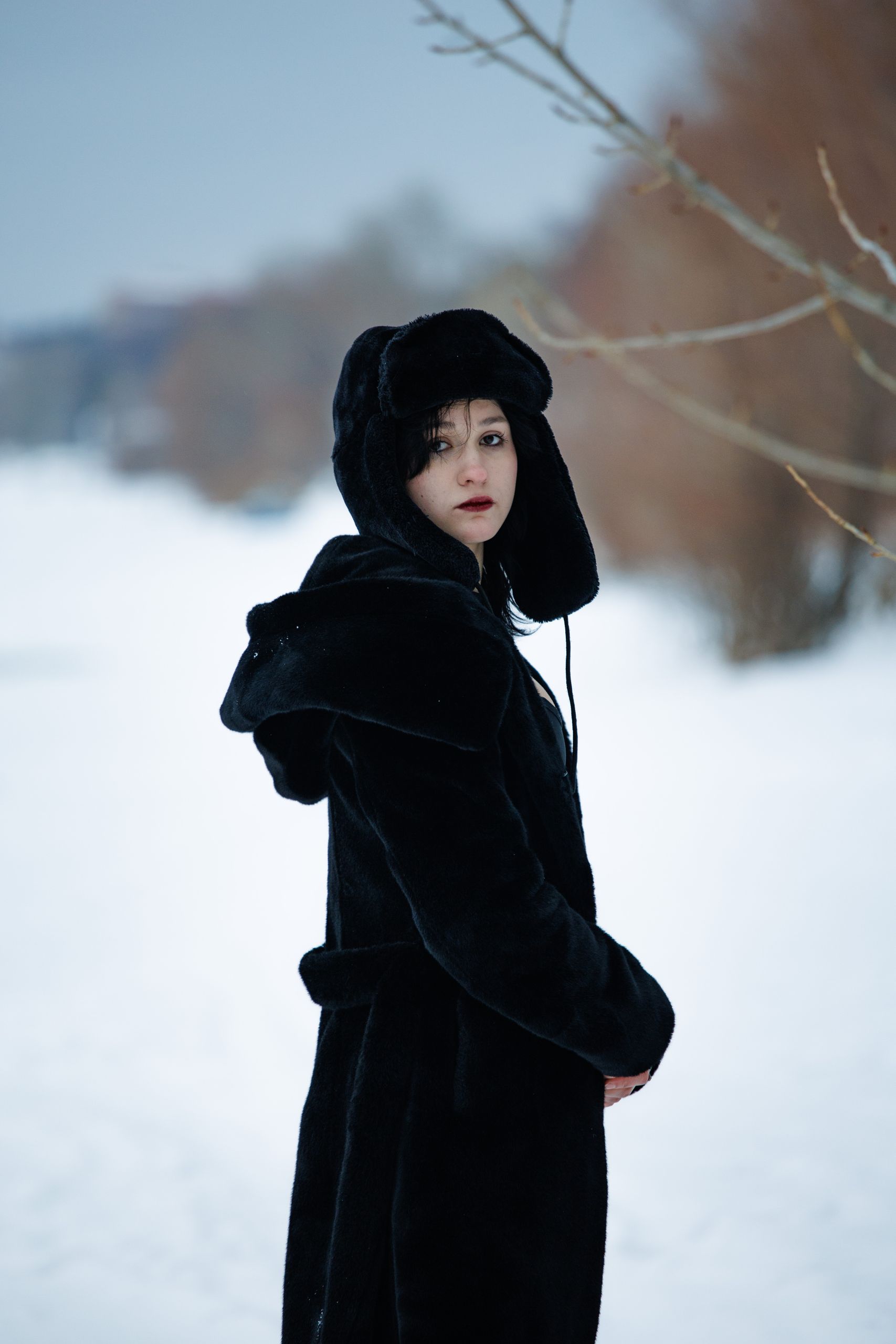
19 Ways to Wear Monochrome Outfits
I used to think that to wear monochrome outfits well, you needed a whole new wardrobe in one perfect shade, but after years of cold New York winters, I have learned the opposite: the easiest polished look I own is one colour, worn head to toe, with the textures doing all the talking.
A black knit under a black wool coat, cream wool with a cream scarf, camel layers in slightly different tones — these are the outfits I reach for when I want to look put together without standing in front of my closet for twenty minutes.
This guide is winter-focused, practical, and honest about what actually works in real weather, on real errands, and on long days out.
How I picked these:
I chose only looks I have worn, or would genuinely wear, in winter — warm enough for a cold walk, comfortable enough to sit in all day, and built from pieces that mix with the rest of a normal wardrobe.
1. All Black in Wool, Knit and Leather: How to Wear Monochrome Outfits in Black
My all-black winter uniform starts with a black wool coat over a black fine knit, black straight trousers, and black ankle boots, and the reason it never looks like a uniform is texture. The coat is smooth, the knit has a soft rib, and the boots add shine, so the eye keeps moving even though the colour never changes.
I wore this combination to a day of appointments last January, from a cold morning walk to a warm office, and I never felt underdressed or overdressed. The honest downside is that black shows lint, pet hair, and every speck of dust, so I keep a lint roller by the door and check my coat in hallway light before I leave.
It is also easy to overheat indoors, so I choose a knit I can live in without the coat.
Add one matte black belt to break up the middle without breaking the colour story.

2. Cream and Winter White, Layered Softly
Cream is the monochrome colour that always makes me feel like I have made an effort, even when I have simply pulled on a cream coat, a cream sweater, and cream trousers. The trick is to let the shades vary a little: ivory, oatmeal, and soft white all belong to the same family, and together they look richer than one flat, bright white.
I wore a cream outfit like this to a winter lunch, and the compliments started before I had even taken my coat off, which almost never happens with my darker outfits. The downside is real, though — cream marks easily, especially around cuffs, hems, and anywhere a coffee cup gets involved.
I now save my palest outfit for days when I am mostly indoors, and I keep a stain pen in my bag.
Choose a coat in a slightly deeper cream than your knit so the layers stay visible.

3. Camel Coat Over Camel Layers
A camel coat is the hardest-working piece in my winter wardrobe, and worn over camel layers it looks instantly expensive without trying too hard. I pair a mid-camel wool coat with a camel knit, camel wide-leg trousers, and tan boots, keeping everything in the same warm family so the outfit reads as one long, elegant line.
I wore this to a work event on a grey afternoon, and the warm colour did something black never does for me — it made me look awake and warm against a dull sky. The downside is that camel shades vary wildly between brands, and a cool beige next to a warm tan can look accidental rather than intentional.
I always hold pieces together in daylight before buying, and I return anything that pulls pink or grey.
Match your boots to the darkest camel in the outfit, not the lightest, to ground the look.

4. Charcoal Grey for Cold, Bright Days
Charcoal grey is my answer for days when black feels too harsh but I still want a dark, slimming, grown-up outfit. I wear a charcoal wool coat over a charcoal knit and charcoal trousers, then add grey boots and a grey scarf in a slightly lighter tone so the layers do not melt into one shapeless block.
On a snowy weekend walk, this outfit kept me warm, photographed beautifully against the white snow, and never showed the salt marks that ruin my black trousers. The downside is that grey can look dull in flat winter light, especially if every piece is the same smooth fabric.
I fix that with a chunky knit or a brushed scarf, because texture is what saves grey from looking like a cloudy day.
A lighter grey scarf at the neckline instantly lifts a charcoal outfit and frames your face.

5. Burgundy Coat, Burgundy Knit, Burgundy Boots
Burgundy is the colour I reach for when I want winter to feel a little festive without wearing anything sparkly or fussy. A burgundy coat over a burgundy knit, with burgundy boots and a wine-toned bag, gives me colour and warmth in one easy decision, and it suits almost every skin tone I have seen it on.
I wore this combination to a December dinner, and it felt special without being a “going-out outfit” I would have to change out of afterwards. The honest downside is that burgundy fades unevenly: a coat, a knit, and boots bought in different years can drift towards red, purple, or brown.
I check them together each season and replace the piece that has drifted furthest, rather than living with a mismatched set.
Keep burgundy lipstick or a burgundy bag in the same wine family to tie the outfit together.

6. Navy and Blue for a Smarter Workday
Navy is the monochrome colour I trust most for work, because it looks professional without the severity of black and pairs beautifully with gold jewellery and brown leather. I wear a navy coat over a navy sweater and navy trousers, with dark blue boots, and the whole outfit feels calm, capable, and finished.
I wore a version of this to a week of office days, swapping only the knit and the scarf, and nobody noticed I was repeating the same formula — which is exactly the point. The downside is that navy photographs darker than it looks in person, so in photos it can read as black, and very dark navy trousers and coats from different brands can clash.
I solve it by buying my navy pieces in the same season when I can, and checking them under office light.
Gold or tortoiseshell accessories warm up navy instantly without adding a second colour.

7. White Puffer, White Knit, White Boots
A white puffer outfit is my snow-day monochrome, and it is far more practical than it sounds if you choose the right fabrics. I wear a white puffer jacket over a white knit, with white or off-white trousers and sturdy white boots, and the whole look feels fresh, sporty, and bright on the dullest winter morning.
I wore this for a long walk in falling snow, and instead of blending into the background, the different textures — shiny puffer, soft knit, matte boots — kept the outfit interesting. The downside is obvious: white gets dirty fast, especially at hems and cuffs, and a puffer can add visual bulk if it is too shiny or too long.
I choose a matte puffer that ends at the hip and wipe the boots down as soon as I get home.
A matte puffer reads slimmer than a shiny one and keeps a white outfit from looking like ski gear.

8. Chocolate Brown in Leather and Wool
Chocolate brown is the monochrome colour that feels richest in winter, especially when you mix leather with wool. I wear a chocolate leather coat over a brown knit and brown trousers, with brown boots, and the combination looks warm, soft, and quietly luxurious.
I wore this to a weekend market, and the brown tones looked wonderful against wood, stone, and winter greenery in a way black never quite does. The downside is that brown leather needs more care than wool — rain spots show, and a scratched boot stands out against an otherwise smooth outfit.
I condition my leather boots before winter starts and keep a soft cloth in my bag for quick wipe-downs. If you hate maintenance, choose brown wool and suede-look boots instead of real leather.
Mix one leather piece with two wool pieces so brown stays soft rather than shiny all over.

9. Soft Grey Layers, from Light to Dark
Soft grey monochrome is about a gradient: a light grey knit, a mid-grey coat, and darker grey trousers, all in the same cool family. I love this look for days when I want to feel calm and comfortable, because grey asks nothing of you — no bright colour to live up to, no dark severity, just quiet layers.
I wore a grey gradient outfit on a long travel day, and it stayed comfortable through a train, a walk, and lunch without looking creased or tired. The downside is that grey can wash some people out, especially in harsh overhead light, and a head-to-toe grey without contrast can look like loungewear.
I add a little structure — a tailored coat, a defined waist — and a touch of blush so my face does not disappear into the outfit.
Build grey from light at the top to dark at the bottom for the most flattering gradient.

10. Black Leather Jacket with Black Denim
When the weather is cold but not freezing, my black leather jacket outfit is the monochrome look I live in. I wear a black leather jacket over a black knit, with black jeans and black boots, and the leather gives the whole outfit an edge that a wool coat never will.
I wore this for a day of errands and an evening out, and it carried me through both without a change — the jacket dressed up the jeans, and the jeans kept the jacket from feeling too dressy. The downside is warmth: a leather jacket alone is not enough on a truly cold day, so I layer a thermal underneath and accept a slightly snugger fit.
Leather also creases at the elbows and waist, which I have learned to accept as character rather than damage.
A fitted black knit under leather keeps the silhouette slim; a bulky sweater ruins the line.

11. Beige Knit on Knit for Staying In and Stepping Out
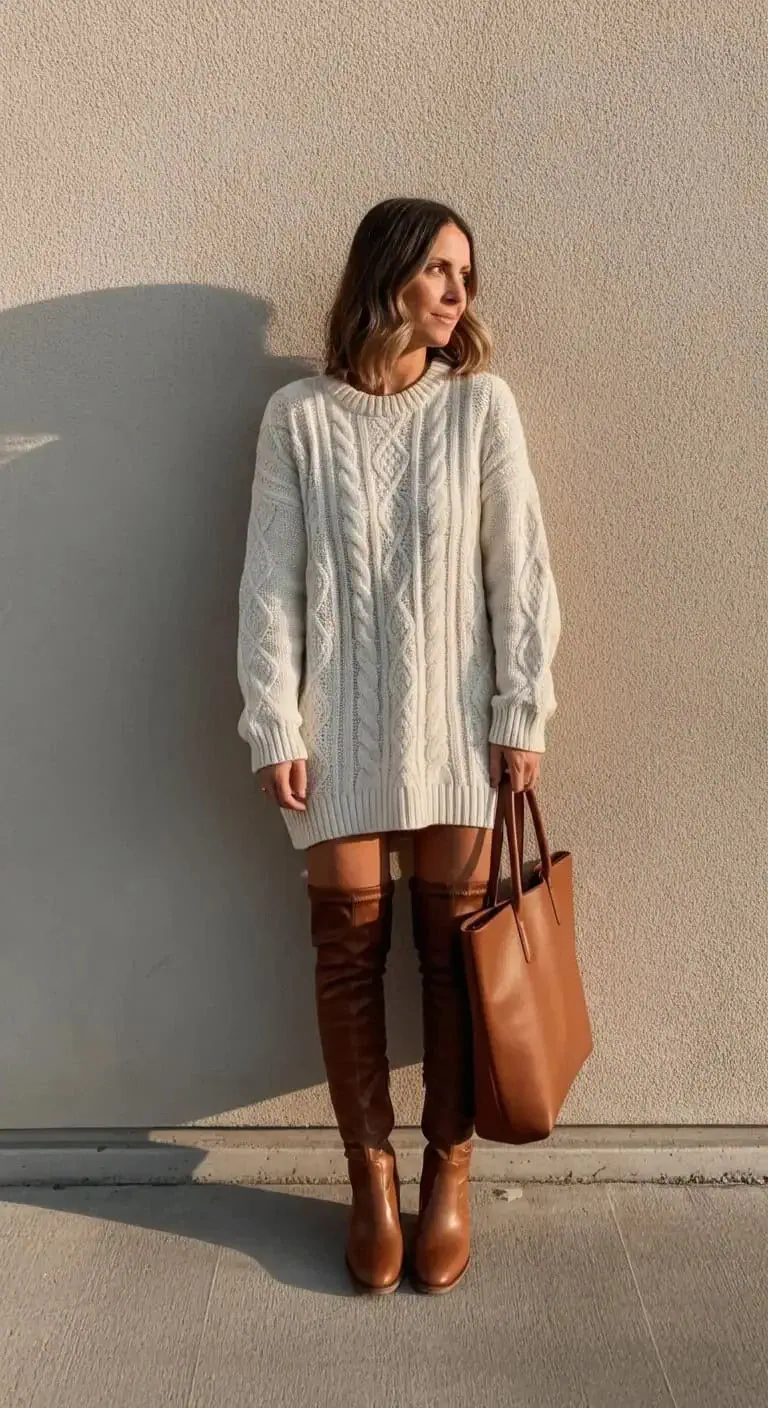
Beige knit-on-knit is my at-home monochrome that still looks respectable if someone knocks on the door or I pop out for coffee. I wear a beige chunky sweater with beige knit trousers or a long beige cardigan, keeping the tones warm and soft rather than bright or stark.
I worked from home in this outfit all last winter, and the best part was never feeling like I had to change to answer the door — it looked intentional, not like pyjamas. The downside is that beige knit can look shapeless if everything is oversized, and pale knit shows every coffee drip.
I choose one fitted piece, usually the trousers or a slim sweater, and keep my coffee away from my sleeves. A structured coat over the top instantly makes it street-ready.
One slim beige piece balances an oversized knit and stops the outfit from looking like loungewear.

12. Glossy Burgundy for Winter Evenings
For winter evenings, I take burgundy in a glossier direction: a burgundy satin or coated coat over a burgundy dress or a silky top, with burgundy heels or boots. The shine does the work that texture does in a daytime outfit, catching candlelight and making a simple colour feel celebratory.
I wore a glossy burgundy outfit to a holiday dinner, and it felt festive without sequins, glitter, or anything I would regret in photos later. The downside is that glossy fabrics show wrinkles, water marks, and fingerprints more than matte ones, and they can feel cold against the skin if you skip a warm layer.
I wear a thin thermal underneath and carry a small clutch instead of a big bag, so nothing rubs the fabric the wrong way.
Keep glossy burgundy to two pieces at most and let the rest stay matte for balance.

13. Black Tulle and Boots for a Dressy Night
A black dress with black boots is my winter evening monochrome when I want to feel dressed up but still warm and able to walk comfortably. I wear a black tulle or velvet dress with opaque black tights and black ankle boots, then add a black coat for the journey, so the whole evening stays in one colour from door to door.
I wore this to a birthday dinner in January, and the boots meant I could walk to the restaurant without carrying a second pair of shoes. The downside is that an all-black evening outfit can disappear in dim restaurant light, and tulle in particular picks up static and clings.
I use a quick anti-static spray, and I add one interesting detail — a textured fabric or a delicate necklace — so the outfit has a focal point.
Opaque tights in the same black as your boots make your legs look longer in an evening outfit.

14. Beige Trench Over Beige Tailoring
A beige trench over beige tailoring is the monochrome outfit I wear when I want to look polished on a milder winter day. I pair a long beige trench with beige wide-leg trousers, a beige blouse or knit, and beige loafers or boots, keeping the silhouette long and clean.
I wore this to a spring-like winter afternoon in the city, and the long lines made me look taller and more put together than I felt. The downside is the weather gamble: a trench is not a warm coat, so a sudden cold snap leaves you shivering, and beige trousers pick up street dirt at the hem.
I check the forecast twice, wear a warm layer underneath that nobody sees, and choose a trench with a storm flap and a proper lining.
A trench that falls below the knee keeps beige tailoring looking long and elegant rather than boxy.

15. Warm Brown from Hat to Boots
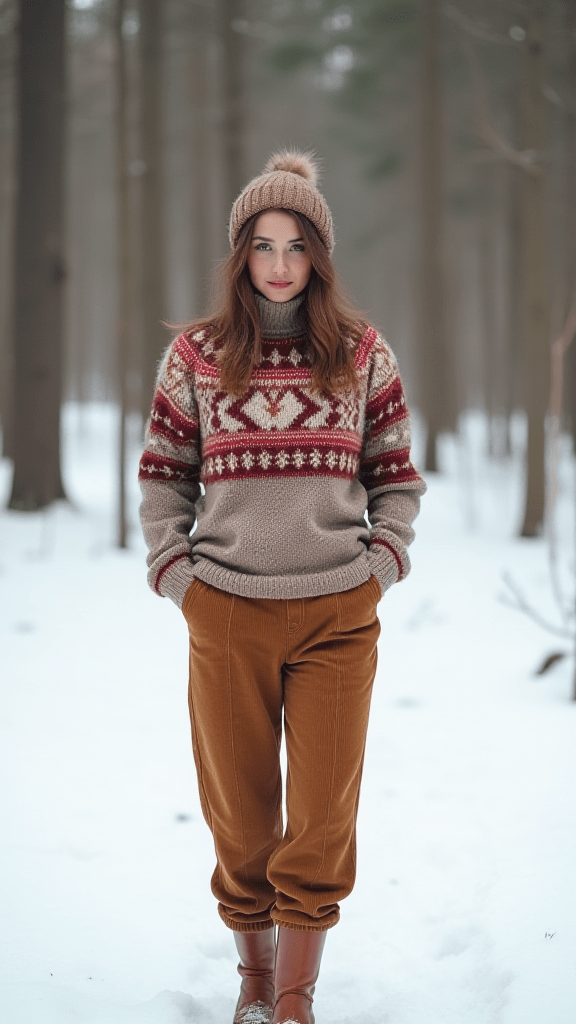
A full warm-brown outfit — brown hat, brown jacket, brown trousers, brown boots — is my weekend monochrome when I want colour without brightness. Brown is forgiving: it hides marks better than cream, flatters most hair colours, and looks wonderful with gold jewellery and a warm scarf.
I wore a brown outfit like this on a countryside walk, and the earthy tones felt right against bare trees and stone walls in a way that a brighter colour would not have. The downside is that too many similar browns can blur into one muddy block, especially if the fabrics are all matte.
I break it up with texture — a woven hat, a smooth jacket, a suede boot — so each piece stays visible even though the colour stays the same.
Vary brown textures more than brown shades; texture is what keeps an all-brown outfit readable.

16. Forest Green Coat with Green Layers
Forest green is the monochrome colour I wear when I want to stand out quietly — it is a real colour, but a deep, calm one that never shouts. I wear a forest green wool coat over a dark green knit and green trousers or a skirt, with green boots, and the result feels rich, wintery, and a little unexpected.
I wore this to a holiday market, and strangers asked about the coat, which tells me green still feels fresh compared with the usual black and camel. The downside is shopping: true forest green pieces are harder to find than black or navy, and a green that is too bright or too yellow can look costumey.
I stick to deep, muted greens and check them in daylight, because shop lighting makes green look warmer than it really is.
Deep, muted green is the easiest green to wear head to toe; avoid bright or yellow greens for monochrome.

17. Blush Pink for a Softer Winter Day
Blush pink monochrome is my soft-day outfit, and it works in winter when the pink is dusty and muted rather than bright or bubblegum. I wear a blush pink coat over a pink knit and pink trousers, with pale pink boots, and the whole look feels gentle, feminine, and surprisingly warm against grey winter skies.
I wore a pink outfit like this to a baby shower in December, and it felt celebratory without being a party dress I would freeze in. The downside is that pink can read as too sweet or too young if every piece is soft and fluffy, and pale pink shows dirt almost as fast as cream.
I add structure — a tailored coat, a straight trouser — and I save pink for days when I am not walking through slush.
A tailored blush coat keeps a pink monochrome outfit grown-up; a fluffy coat can tip it too sweet.

18. Neutral Plaid, Kept in One Colour Family
Plaid can still be monochrome if you keep the whole outfit inside one neutral family — think a beige and cream plaid coat over cream layers, with beige boots. The pattern gives you the texture and interest that a plain outfit gets from mixing fabrics, so you can keep everything else simple.
I wore a neutral plaid coat over cream trousers and a cream knit, and the coat did all the talking while the rest of the outfit stayed quiet and calm. The downside is that plaid is a strong pattern, so if the rest of the outfit has its own pattern or a competing texture, the look gets busy fast.
I keep everything under the coat plain, and I make sure the plaid’s lightest colour matches my knit, so the outfit holds together.
Match your knit to the lightest colour in the plaid and keep everything else plain.

19. Black Dress in a Snowy Landscape
My final monochrome trick is the simplest: a black dress, black tights, black boots, and a black coat, worn confidently outdoors in winter. It sounds like an evening outfit, but with a warm coat and sturdy boots it becomes a daytime look that works for lunches, galleries, and winter walks alike.
I wore a black dress outfit on a snowy day trip, and the contrast against the white landscape made the whole outfit look striking in photos, while I stayed warm under my coat. The downside is practical: a dress in snow means cold legs if the wind picks up, and hems can get wet and heavy.
I wear thermal tights, choose a midi length that clears the slush, and carry my coat even if the sun comes out.
A midi black dress with thermal tights is the warmest way to wear a dress in snow.

If you want more coat inspiration before you build your own monochrome wardrobe, Related article is a good place to start, and for everyday cold-weather outfits, Also read. When you are ready to make the whole look feel softer and warmer, Read this next.
Mistakes I Made / What I Learned the Hard Way
- I matched shades too exactly. My first monochrome outfits were one identical shade from head to toe, and they looked flat and a little strange. Now I mix tones within one colour family, and the outfit instantly looks richer and more intentional.
- I forgot about texture. A smooth coat, a smooth sweater, and smooth trousers in the same colour blur into one block. Adding one chunky knit, one leather piece, or one brushed fabric is usually all it takes to fix a boring monochrome outfit.
- I let my shoes break the look. A brown shoe with a black outfit, or white trainers with a camel outfit, undid the whole effect in seconds. Now my shoes and bag stay in the same colour family, even if they are not an exact match.
- I wore pale monochrome on the wrong day. Cream and blush outfits on slushy, rainy days ended in stained hems and regret. Now I save my palest looks for dry, mostly indoor days, and keep dark monochrome for real winter weather.
How to Choose
Pick one colour family you already own most of, such as black, camel, grey, navy or burgundy, and build from pieces in slightly different shades rather than chasing one exact match. Mix textures so the outfit does not look flat: smooth wool with chunky knit, leather with suede, or a matte coat with a soft scarf. Keep your shoes and bag in the same colour family, since a stray contrasting shoe is usually what breaks the look.
Start with the biggest piece, usually the coat, and match the knit and trousers or skirt to it in a lighter or darker tone of the same colour. If the outfit feels plain, change one small detail first: a belt, a different boot, or a longer coat. Change the texture or the silhouette rather than adding a second colour, and try the full outfit on together in daylight, since shades that match indoors can look different outside.
FAQ
What is the easiest colour for a first monochrome outfit?
Black is the easiest starting point, because most of us already own black pieces and black is forgiving about small shade differences.
Camel and charcoal grey are the next easiest, because their shade families are wide and they pair well with everyday boots and bags.
How do I keep a monochrome outfit from looking flat?
Mix textures and tones. Pair a smooth coat with a chunky knit, leather with wool, or a matte fabric with a soft scarf, and let one piece be slightly lighter or darker than the rest.
That contrast gives the eye something to follow without adding a second colour.
Can I wear monochrome outfits in very cold weather?
Yes, and winter is actually the best season for monochrome, because coats, knits, scarves, and boots give you so many textures to play with.
Just make sure your warmest layer is part of the colour story, not an afterthought — a contrasting thermal peeking out at the neckline will break the look.
Do my shoes and bag have to match exactly?
No, they do not need to be an exact match, but they should stay in the same colour family.
A tan boot with a camel outfit works beautifully; a bright white trainer with a black outfit usually does not, unless that contrast is a deliberate, confident choice.
Is monochrome only for slim or tall women?
Not at all. Monochrome can flatter every shape because one continuous colour creates a long, unbroken line.
The key is fit: choose a silhouette that suits you — a defined waist, a longer coat, or a straight trouser — rather than copying a shape that works for someone else.
Final Thoughts
Monochrome dressing changed winter for me because it took the hardest decision — what goes with what — off the table on cold, busy mornings. I still love colour, but on the days when I want to look polished without thinking too hard, one colour, worn with different textures, is the outfit I trust most.
Start with a colour you already own, add one new piece in a nearby shade, and let the textures do the rest.
If you try one of these looks, start with black or camel, keep your shoes in the same family, and see how quickly a single colour starts to feel like a signature rather than a shortcut.