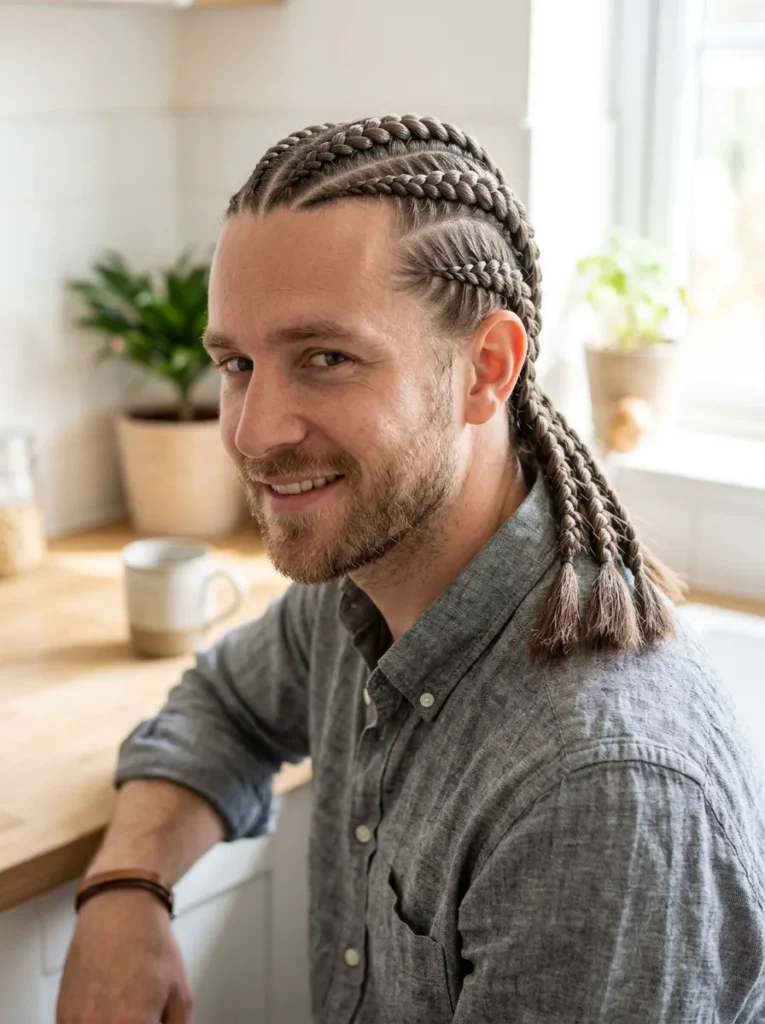
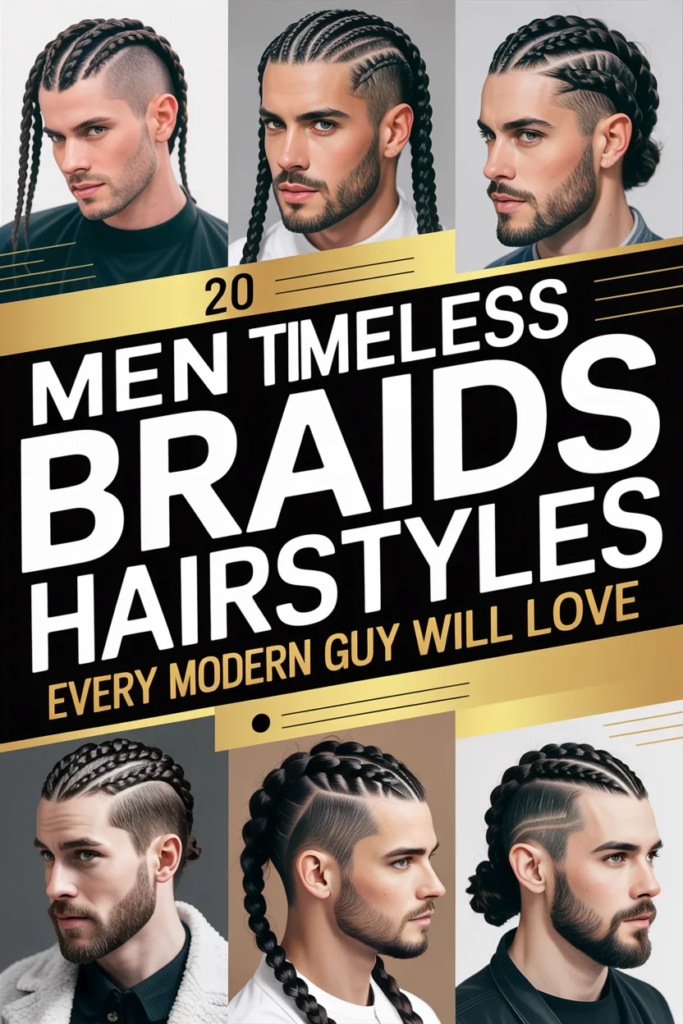
Braids mix style, protection, and convenience in one look, keeping hair organised while cutting down daily styling time. The range runs from sharp cornrows and clean fades to artistic geometric patterns and relaxed twists, so there is a braid style for most personalities, hair textures, and routines. Some styles suit professional settings, others make a bolder statement, and many protect natural hair by reducing daily manipulation. The twenty styles below cover classic cornrows, Viking braids, knotless methods, braided ponytails, and more, with notes on comfort, maintenance, and which face shapes and lifestyles each style suits best. Comfort matters as much as appearance, since tight braids can strain the scalp, while gentler methods like knotless and feed-in styles reduce tension. Night-time protection with a satin scarf or bonnet keeps any style looking fresh for longer.
1. Classic Cornrows
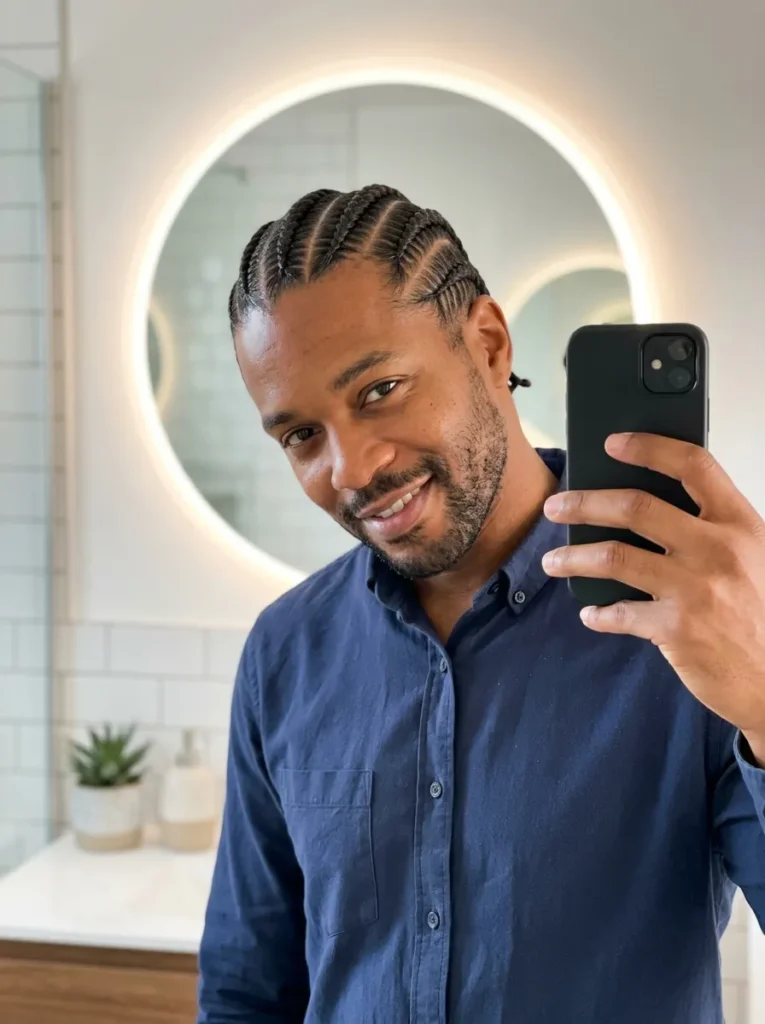
Classic cornrows give a clean and polished look without needing much effort every morning. The straight-back braid pattern creates sharp definition that works well for casual and formal settings alike. Every strand stays controlled, while the overall shape still looks stylish and masculine.
One reason cornrows suit so many routines is their versatility. The style works at work, during workouts, and at events without needing constant restyling. Protective styles like cornrows reduce daily hair manipulation, which can help lower breakage over time. A lightweight scalp oil two or three times a week keeps the scalp hydrated and reduces itching.
2. Box Braids Fade
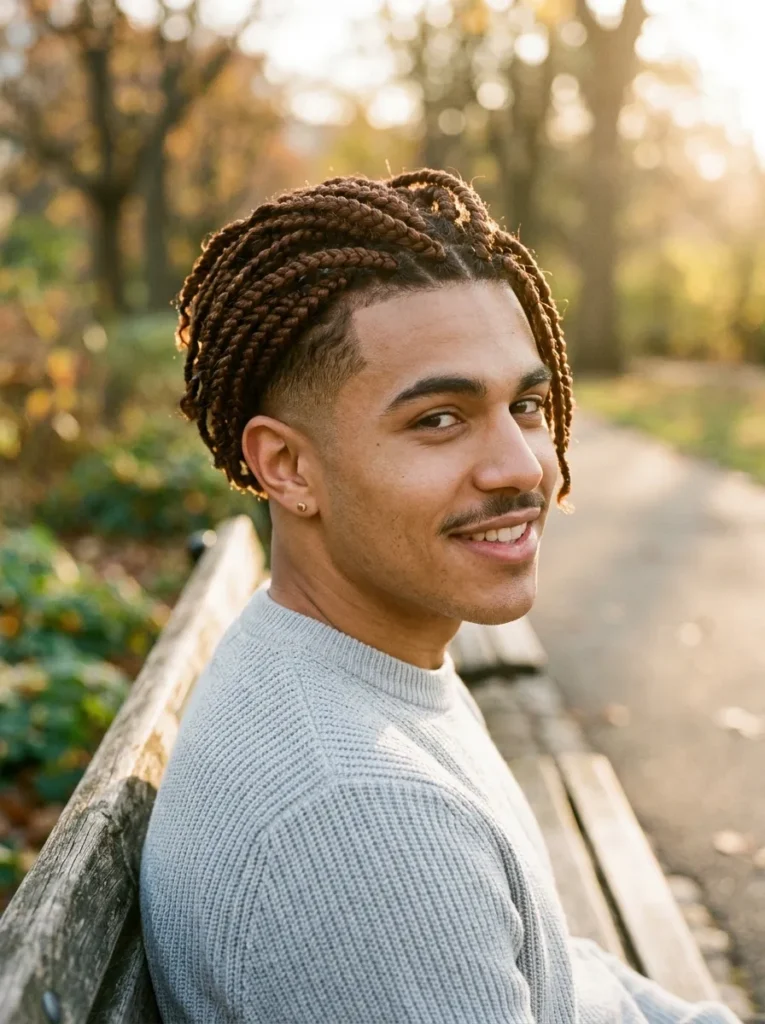
Box braids fade combines textured braids on top with neatly faded sides, creating a modern and balanced hairstyle. The braids give volume without making the hair feel heavy, while the fade keeps the overall appearance fresh and sharp. The contrast between the two sections defines the shape.
This hairstyle works especially well for thicker hair types, because the braids control bulk while still allowing movement. Barbers often recommend this style because it blends current fashion with long-lasting practicality. Regular edge care and a satin scarf at night help the fade and the braids stay neat for longer.
3. French Braid Undercut
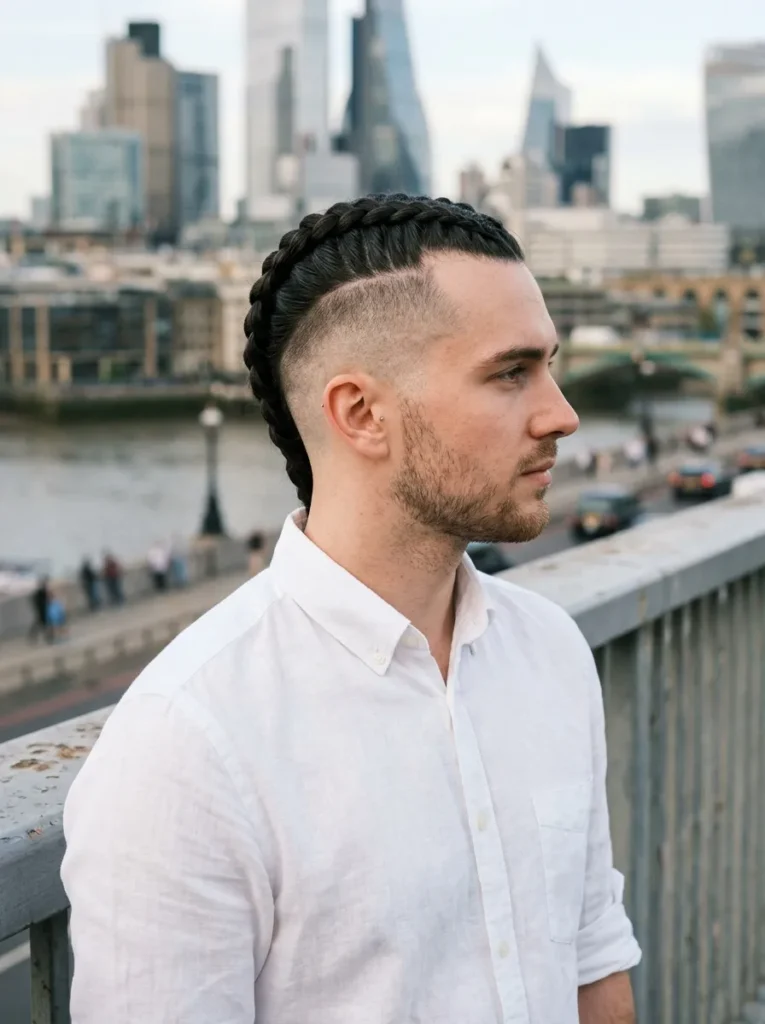
A French braid undercut runs a detailed braided section through the centre while the sides stay trimmed and clean. The style stands out because it looks creative without feeling too dramatic for daily wear. The single braid draws the eye along the top of the head.
The contrast between the braid and the undercut adds depth and shape, and the style works well with beard styles, creating a strong and structured appearance. Keeping the sides faded regularly preserves the contrast, since regrowth softens the undercut and blurs the line between the braid and the sides.
4. Two Strand Twists

Two strand twists are one of the most comfortable protective styles, using twisted sections instead of tight braiding. The twists create soft texture and natural movement, and the finished look feels lightweight while still looking fashionable. The method suits sensitive scalps, since it usually creates less tension than traditional braids.
Twists also allow flexibility, hanging naturally or tied back when needed. Heavy hair creams should be avoided with twists, because buildup can make them look dull faster. A light moisturiser and a satin scarf at night keep the twists fresh and defined for longer.
5. Fulani Braids
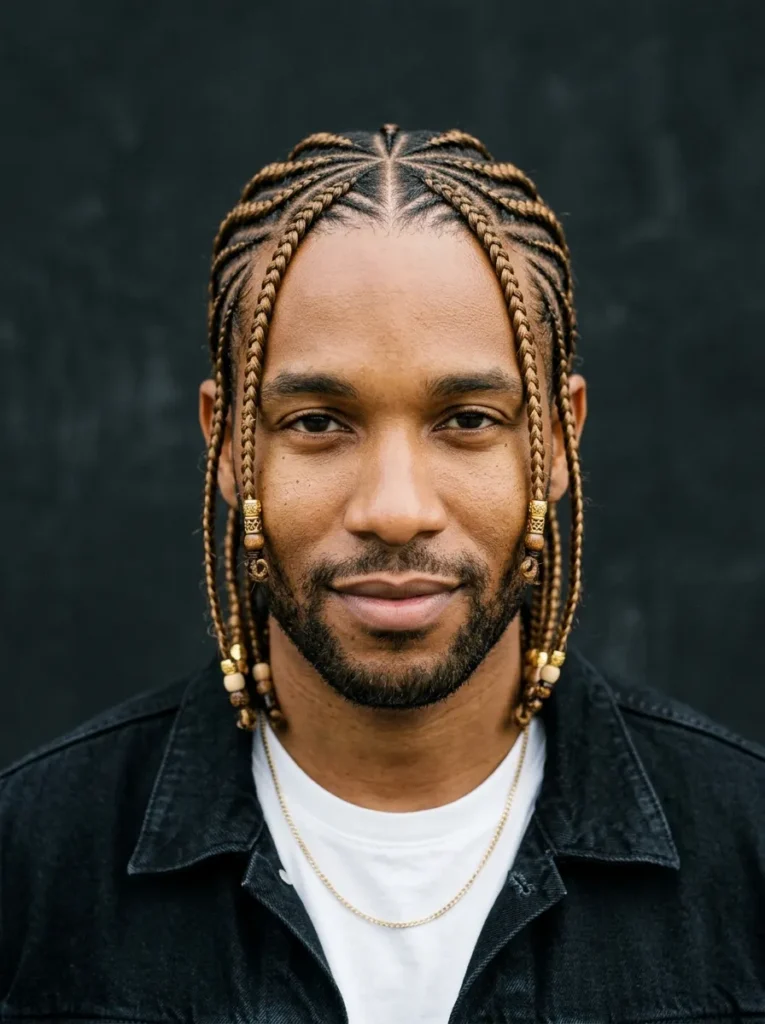
Fulani braids bring cultural detail and artistic patterns into modern men hairstyles. The braids frame the face and create a unique design that draws attention, with fine braids often running along the centre and sides. The detailed patterns make the hairstyle feel customised rather than basic.
This style looks especially impressive on medium and longer hair lengths, where the patterns have room to show. The braids stay secure through active days, and the design can be adjusted with beads or cuffs for extra character. Regular scalp care keeps the detailed sections comfortable.
6. Viking Braids
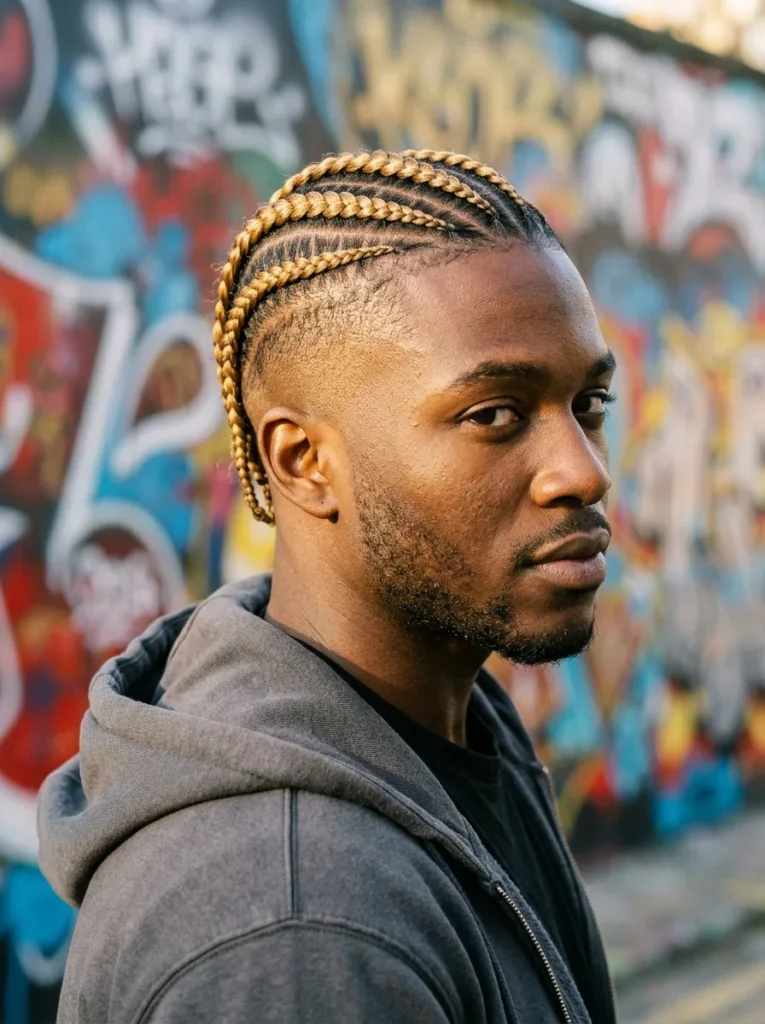
Viking braids create a bold and rugged appearance, with multiple braids combined with faded or shaved sides. The style carries a confident edge and suits men who enjoy statement looks without sacrificing practicality. The braids stay secure during active days and pair naturally with facial hair.
The look works best on longer hair, where the braids have enough length to show their pattern. Keeping the sides faded maintains the contrast, and a light oil keeps the braids from drying out. The style suits casual settings and events where a strong silhouette fits the mood.
7. Braided Man Bun
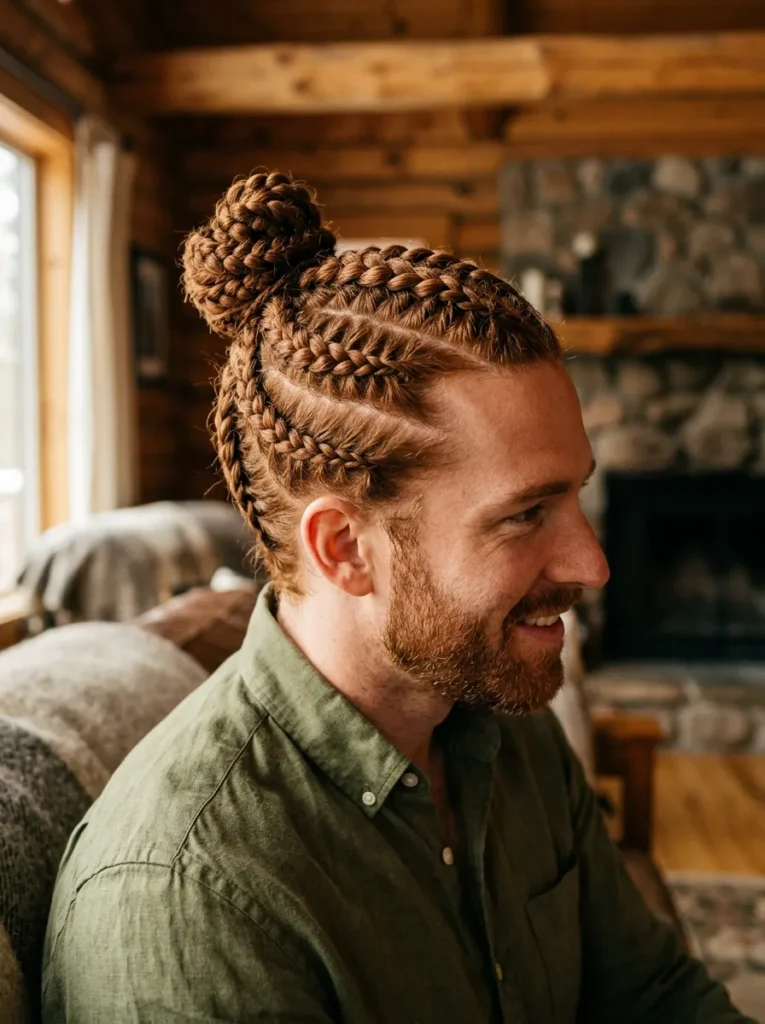
A braided man bun blends braided sections with a tied bun at the crown of the head. The style keeps long hair organised while still showing off braid detail and texture. It suits men growing their hair longer, offering one of the easiest ways to maintain a clean appearance.
The bun also works well in professional settings, because the hair stays pulled back and controlled. The braids add texture that a plain bun lacks, and the style can be loosened for a relaxed finish or tightened for a sharper one. Night-time protection keeps the braids neat between washes.
8. Dutch Braids
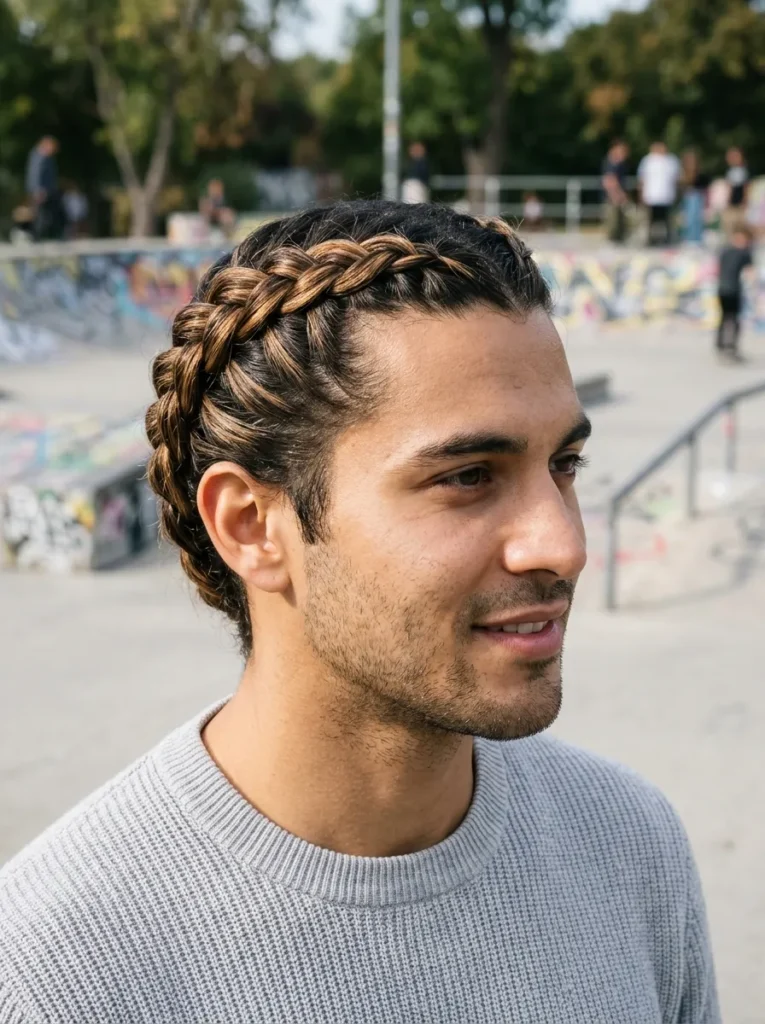
Dutch braids stand out because the braids appear raised instead of flat against the scalp. The underhand braiding technique gives more volume and dimension, which makes the hairstyle look fuller and more detailed. The raised pattern catches light and draws the eye.
Dutch braids work best for men who want their hairstyle to look more detailed and eye-catching. The braids usually hold their shape well throughout the day, and the style suits medium and long hair. A light hold product at the edges keeps flyaways in check without stiffening the braids.
9. Zigzag Cornrows
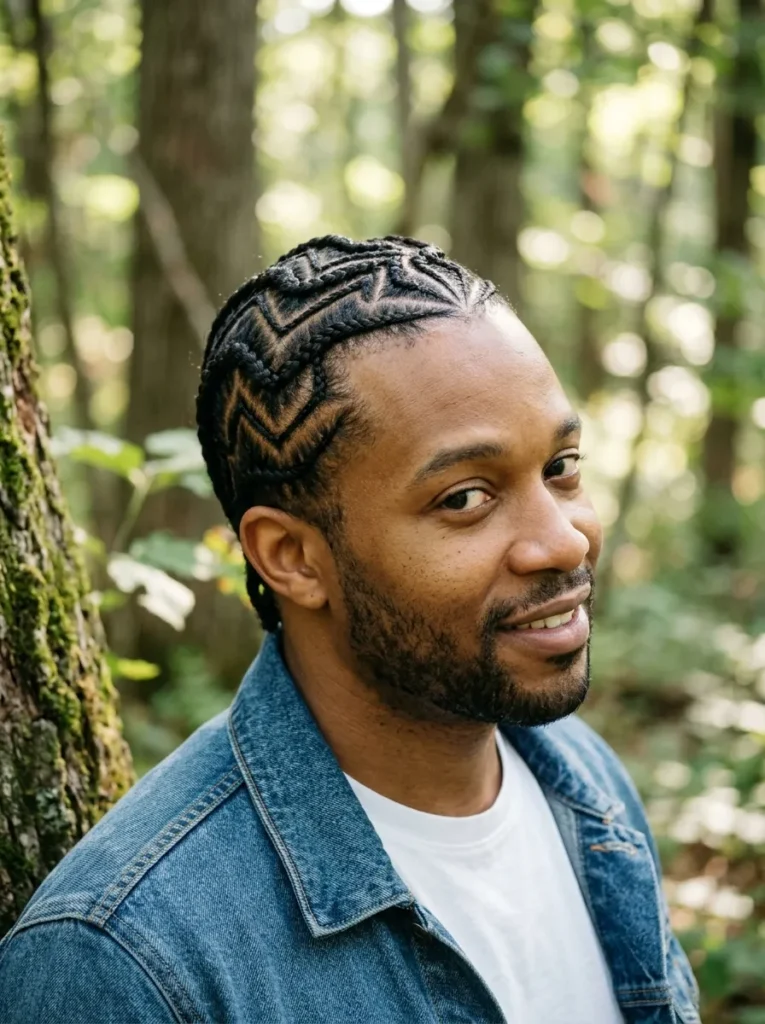
Zigzag cornrows add creative patterns by weaving braids in angled directions instead of straight lines. The style instantly adds personality while still maintaining the clean structure of cornrows. The angled design creates movement across the scalp that straight rows cannot match.
This hairstyle suits men who want to express creativity without going too extreme. The zigzag design also photographs well, which helps explain its popularity among younger men. The braids need the same care as classic cornrows, with regular moisturising and night-time protection to keep the pattern sharp.
10. Long Braided Ponytail
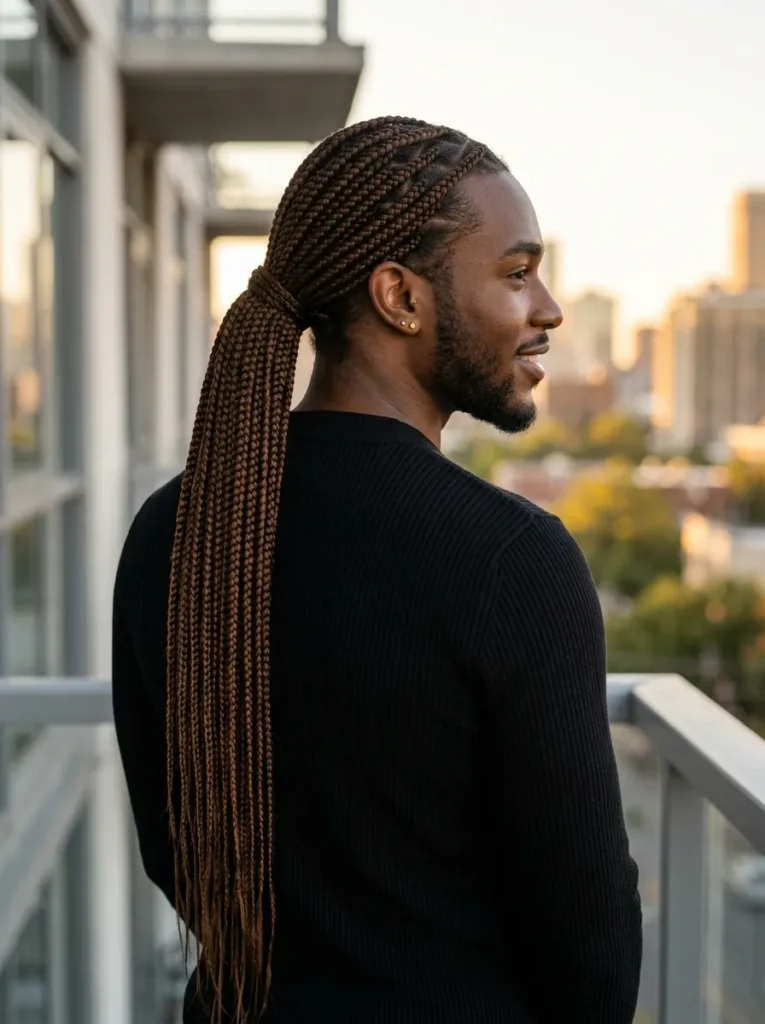
A long braided ponytail gathers the braids together into one sleek section at the back. The style keeps hair completely away from the face while still highlighting braid texture and length. It works well for gym sessions, workdays, and casual outings, since the ponytail stays secure and out of the way.
The ponytail position can be adjusted to change the mood, sitting high for a sharper look or low for a relaxed one. Soft hair ties work better than tight elastic bands, which can create unnecessary tension around the hairline. Regular moisturising keeps the braids from drying out.
11. Knotless Box Braids
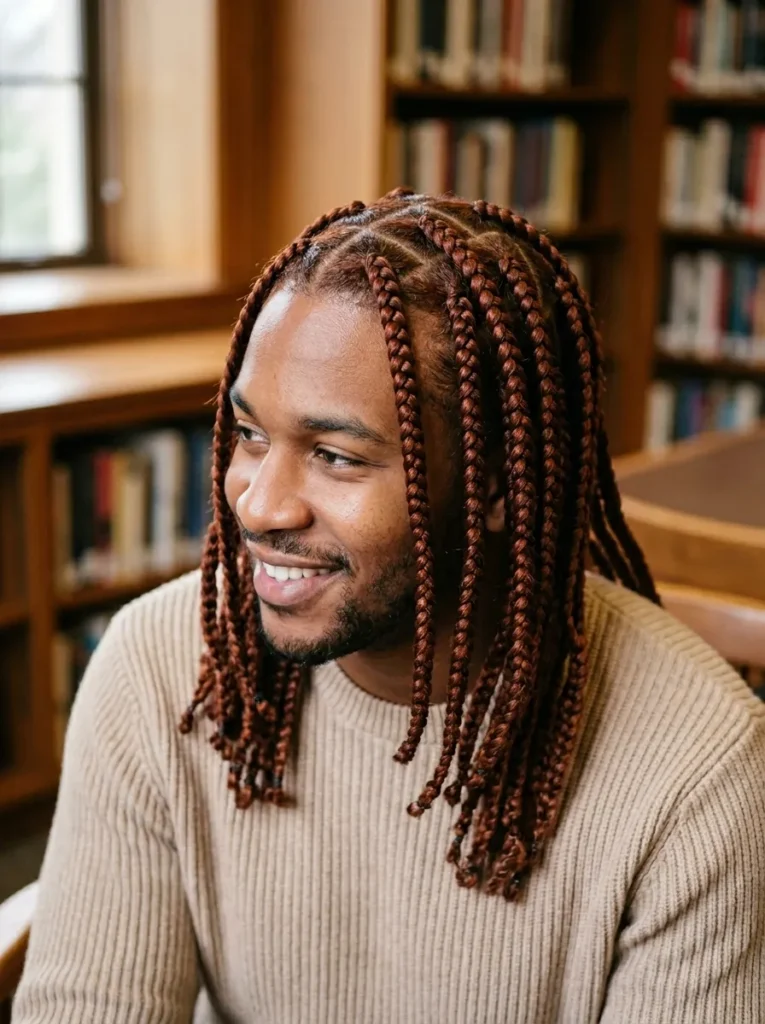
Knotless box braids feel lighter and more natural compared with traditional box braids. Instead of starting with a bulky knot, the braid begins gradually, which reduces scalp pressure and gives the roots a smoother appearance. The result looks cleaner and moves more naturally.
This style suits men who wear braids regularly, since the gentler start can reduce traction-related stress around the roots. The braids also feel more comfortable during long wear. Quick braid options appear in quick braid hairstyles, where simpler patterns offer a faster route to a similar protected finish.
12. Tribal Cornrows
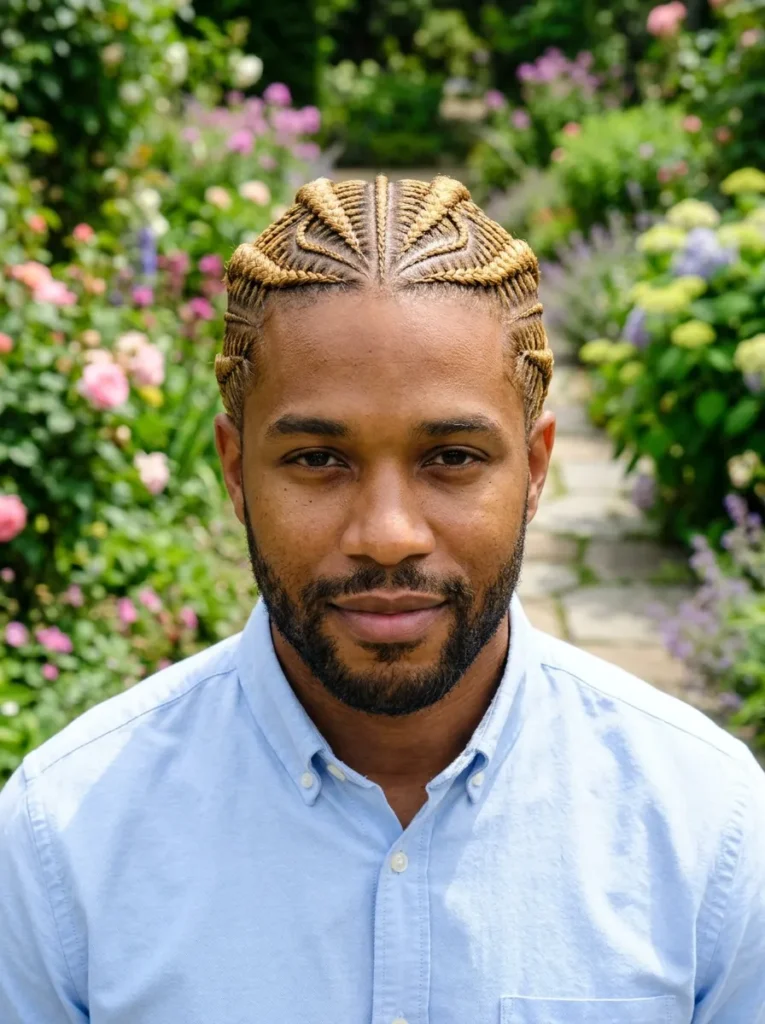
Tribal cornrows combine traditional braid artistry with modern grooming trends. The precise line patterns create strong visual structure while helping keep hair protected and manageable. The designs can be customised with different braid directions and scalp patterns, so each version feels personal.
This style gives a powerful and confident look without needing extra styling products every day. The braids stay neat for weeks with proper care, including regular moisturising and a satin scarf at night. An experienced braider matters here, since symmetry and clean partings define the final result.
13. Braided Mohawk
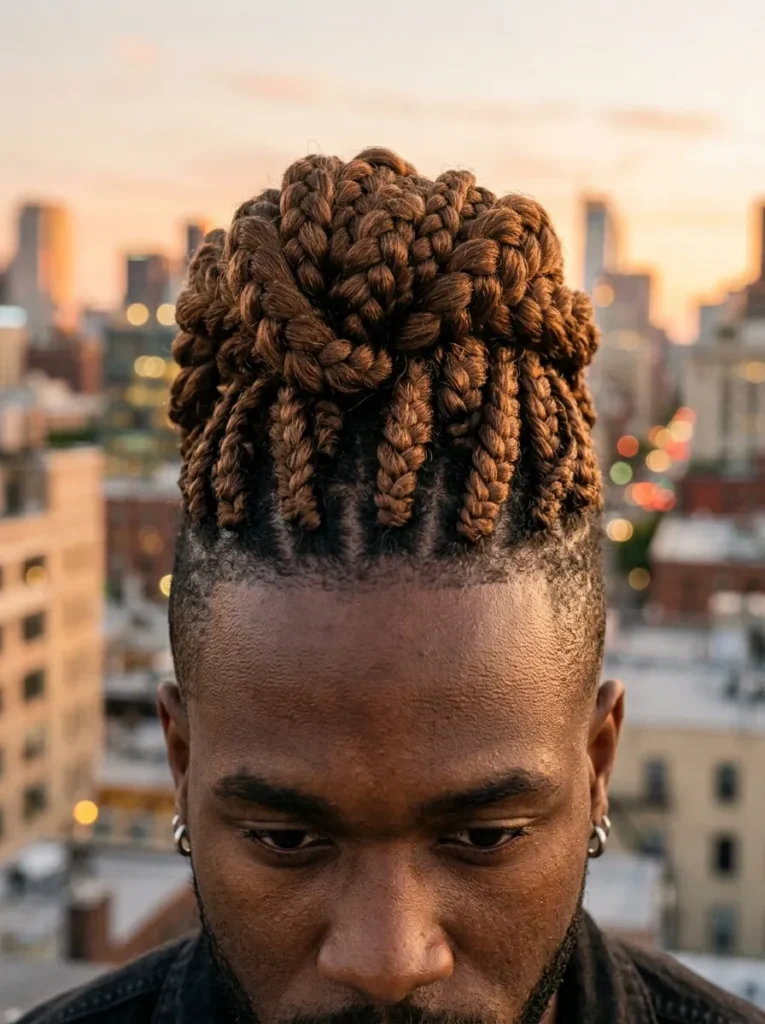
A braided mohawk keeps the braid detail focused along the centre of the scalp while the sides stay faded or shaved. The style creates one of the boldest silhouettes among men braids hairstyles, with height through the centre and clean sides framing it. The contrast defines the shape.
This look suits men who enjoy creative styles that still feel masculine. The added height through the centre can also make the face appear longer. Keeping the sides faded regularly preserves the shape, and the central braid can be styled thick or fine depending on the desired impact.
14. Feed-In Braids
Feed-in braids gradually add hair throughout the braid, creating a smooth and natural transition from root to end. The method reduces tight pulling near the scalp, which makes the style more comfortable than braids that start with a firm knot. The final result feels lightweight while still looking full and detailed.
Feed-in braids suit men who want longer-lasting styles without much discomfort. Sleeping with a satin bonnet or durag helps, because friction from cotton pillows can make braids frizz faster. The gradual feed also gives the braid a cleaner, more natural root line.
15. Geometric Braids
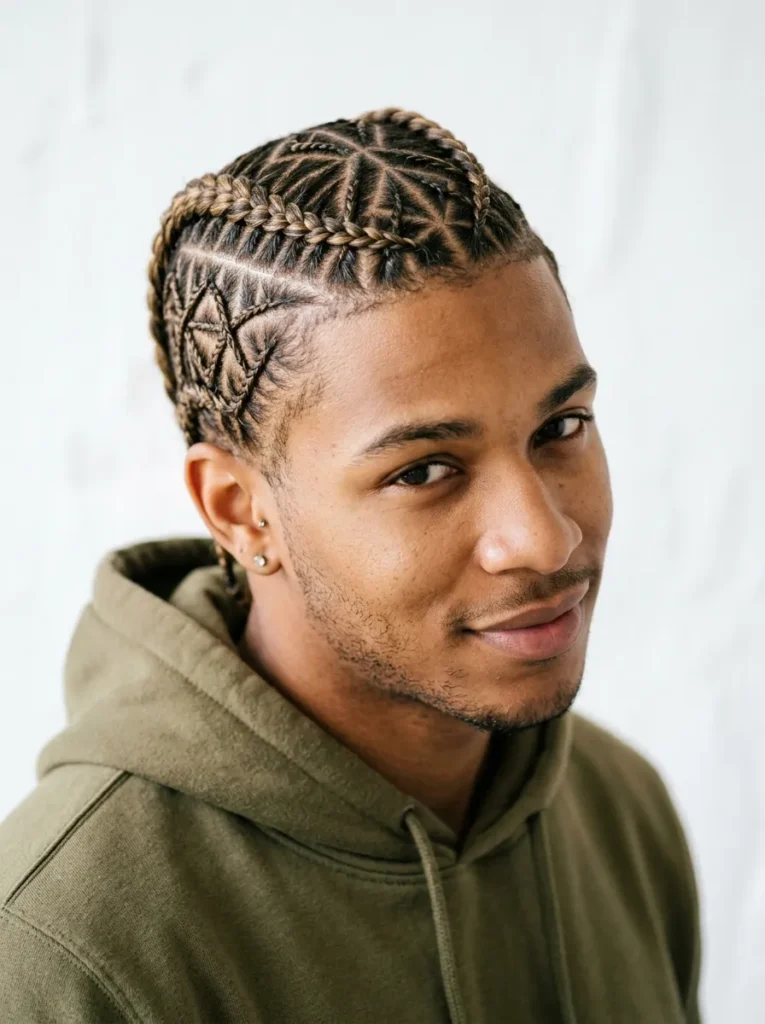
Geometric braids transform the scalp into a detailed design using angles, shapes, and sharp sections. The style looks artistic from every direction, with clean partings forming triangles, lines, and other patterns across the head. The precision of the design is the whole point.
This style usually requires an experienced braider, because symmetry matters a great deal. Once installed properly, geometric braids can stay looking sharp for weeks with minimal maintenance. Regular moisturising and night-time protection keep the pattern crisp, and the style suits men who want their hair to carry the statement.
16. Side Swept Braids
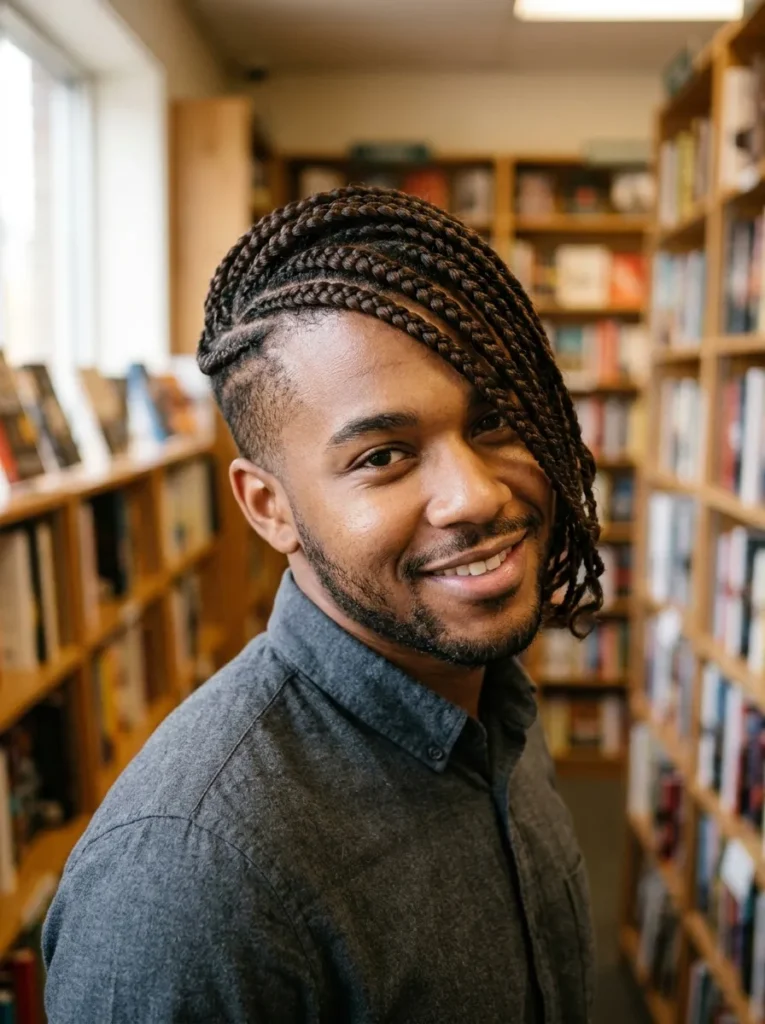
Side swept braids direct the braids toward one side of the head for a softer and more relaxed appearance. The asymmetrical design gives movement and personality without looking flashy, and it works well for balancing strong facial features. The sweep softens the overall shape.
This style suits men who want something stylish yet easy to wear daily. The braids can be worn loose to one side or gathered gently, and the look pairs well with both casual and smarter outfits. Seasonal braid variations appear in winter hair braid ideas, where braids adapt to colder weather and layered clothing.
17. Micro Braids
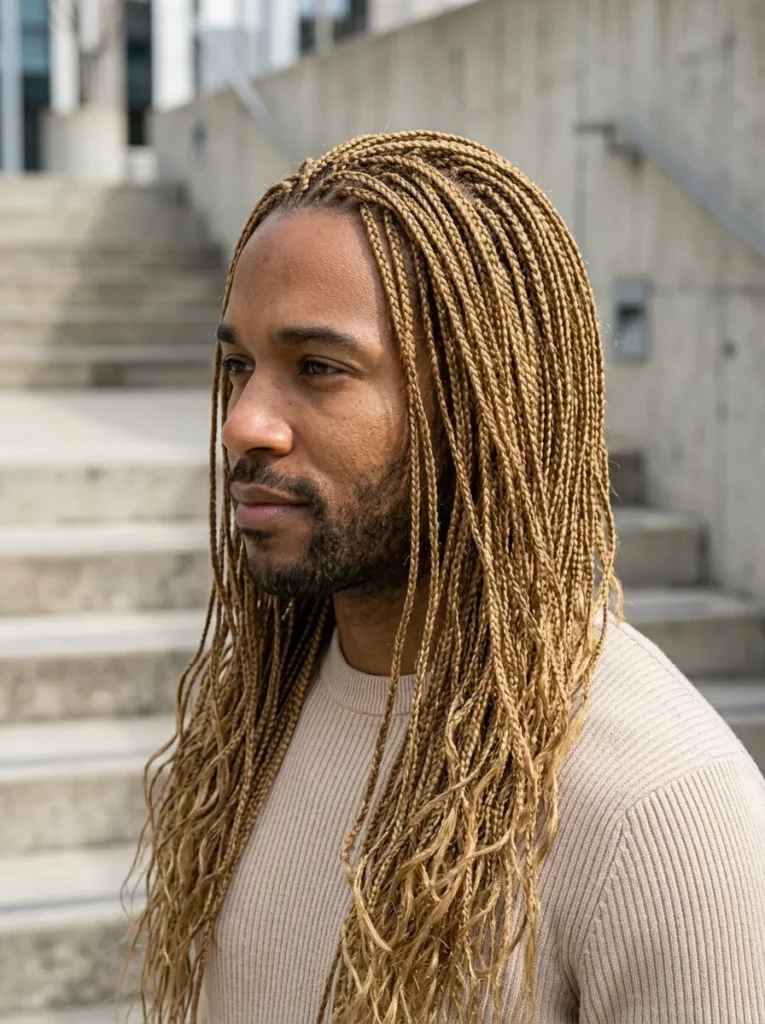
Micro braids use very small braid sections to create a detailed and lightweight finish. The braids move naturally and create a polished overall appearance, with fine texture that reads as neat from a distance and intricate up close. The small sections also allow flexible styling.
Although installation can take several hours, the long-lasting results are usually worth it. Many men prefer micro braids because they can stay neat longer than larger braid styles. Smaller sizes appear in gorgeous micro braid styles, showing how fine braiding changes the texture and movement of the finished look.
18. Criss Cross Braids
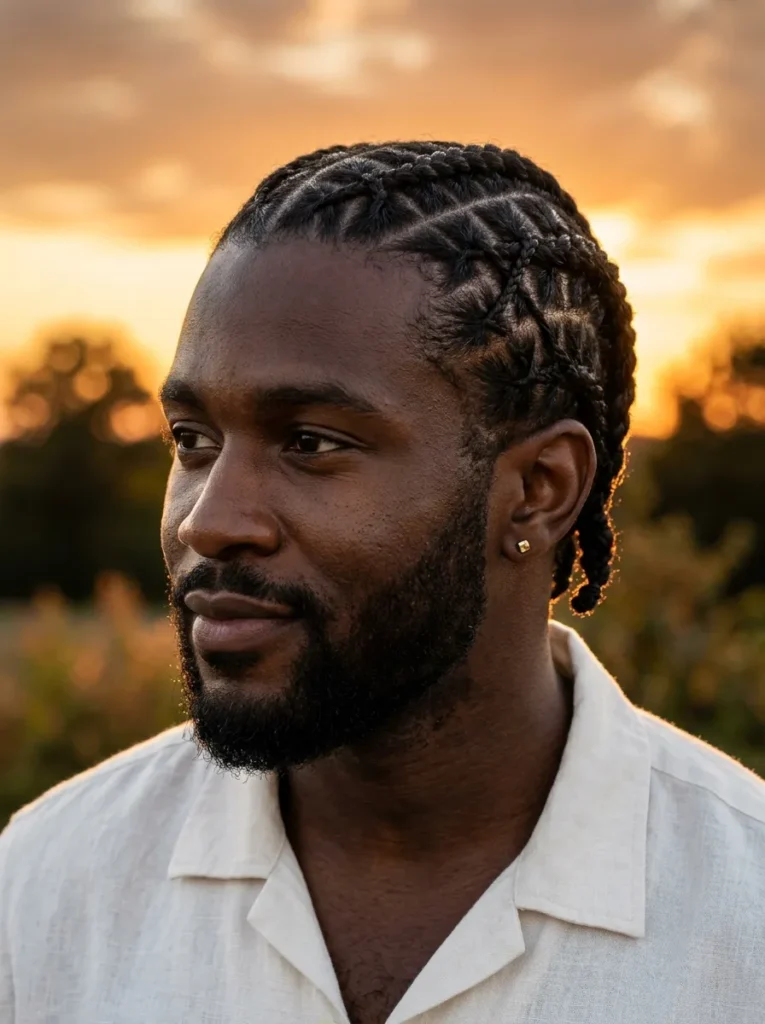
Criss cross braids create overlapping X-shaped braid patterns across the scalp. The intersecting design adds depth and visual movement while still maintaining a structured appearance. The pattern stands out because it mixes creativity with clean organisation, rather than relying on a single direction.
This style suits men who want something different from standard cornrows. The crossing sections need careful parting to stay symmetrical, so an experienced braider helps. Once installed, the braids stay neat with regular moisturising and night-time protection, and the pattern holds its shape well.
19. Braided Low Pony
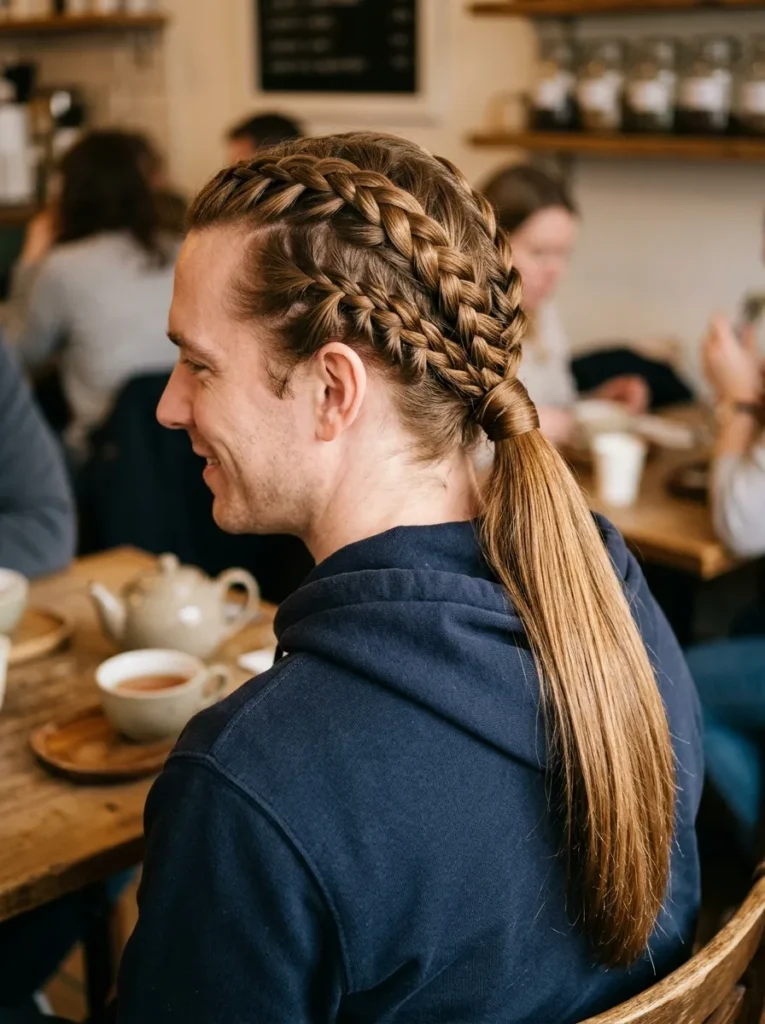
A braided low pony gathers braided hair near the neck for a sleek and mature finish. The style feels simple yet stylish, keeping everything controlled while still showing braid detail. It suits longer braided hair especially well, since the length gives the ponytail its shape.
The look transitions easily from office settings to casual evenings, because the low placement reads as calm and polished. A soft tie keeps tension low around the hairline, and the braids can be wrapped or left loose at the end. Regular care keeps the ponytail looking neat for weeks.
20. Full Head Braids
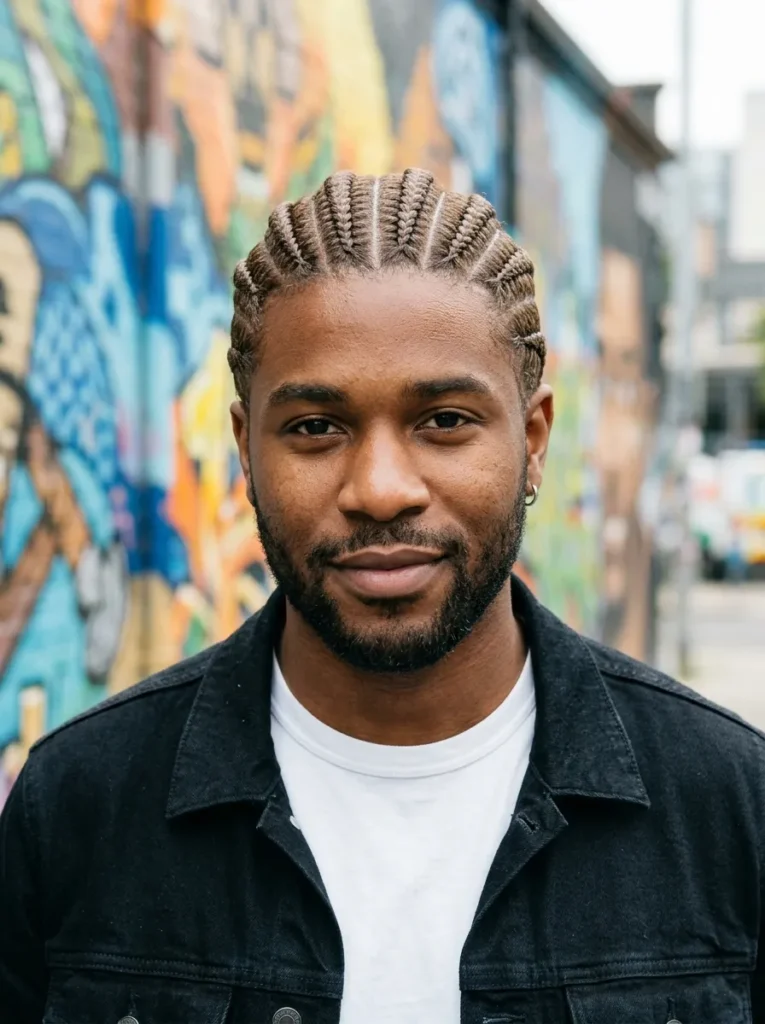
Full head braids cover the entire scalp with consistent braid patterns for complete protection and structure. The style delivers one of the cleanest and most balanced braid appearances overall, with even sections and a uniform finish from every angle. The consistency is what makes it work.
For busy lifestyles, full head braids can be convenient because they require very little daily styling. With proper maintenance, they can stay fresh-looking for several weeks. Braided styles for family occasions appear in braided hairstyles for Mothers Day, where similar full-head patterns suit celebration settings as well as everyday wear.
What to Tell Your Stylist
Bring reference photographs and be clear about the exact pattern, size, and length wanted, since braid styles vary widely in how they are parted and finished. Mention scalp sensitivity, because some methods create more tension than others, and knotless or feed-in techniques usually feel gentler. Ask how long the installation takes and how many weeks the style should last, so the appointment and the upkeep plan match the routine. Discuss maintenance honestly, including how often to moisturise, whether to wear a satin scarf or bonnet at night, and when to return for edge care. A good stylist will also explain which styles suit the hair texture and density, since fine hair and thick hair behave differently under braids. Finally, agree on removal timing before the style goes in, because leaving braids in too long can cause breakage and scalp stress. Note how the braids feel after a few days, since early tightness usually eases but pain means the style needs loosening.
FAQs
Which men braids hairstyles last the longest?
Box braids, knotless braids, and full head braids usually last longest. With proper scalp care and night-time protection, many braided styles stay neat for three to six weeks. A satin scarf or bonnet reduces frizz and keeps the braids looking fresh longer.
Are men braids hairstyles good for hair growth?
Braids can support healthy hair growth because they reduce daily manipulation and help protect the hair from breakage. Keeping the hair moisturised and avoiding overly tight braiding matters most, along with not leaving the style in for too long. Timely removal matters too.
How often should I moisturise braided hair?
Light moisturising two or three times a week usually works well, using a lightweight oil or spray that reaches the scalp. Heavy creams can cause buildup, so a light product keeps the braids looking clean and the scalp comfortable. A spray bottle makes it easy to reach the scalp between braids.
Do braids work for short hair?
Some braid styles need a minimum length to grip the hair, usually a few inches, while others such as cornrows can work on shorter hair with extensions. A stylist can advise which patterns suit the current length and which need more growth first.
How do I sleep with braids to keep them neat?
A satin bonnet, durag, or scarf reduces friction against cotton pillows, which causes frizz and loosens the braids. Tying the braids loosely or gathering them into a low ponytail before covering them also helps preserve the pattern overnight. A silk pillowcase offers a simpler alternative when a bonnet feels uncomfortable.
Final Thoughts
Braids offer a rare combination of style, protection, and low daily effort, and the right choice depends on hair texture, scalp comfort, and routine. Classic cornrows suit almost any setting, knotless and feed-in methods ease tension, and geometric or tribal patterns carry the statement for men who want something bolder. Regular moisturising, night-time protection, and timely removal keep any braid style looking sharp and the hair underneath healthy. A good stylist will match the pattern to the hair texture and the routine, so the style stays comfortable as well as sharp.

One Comment