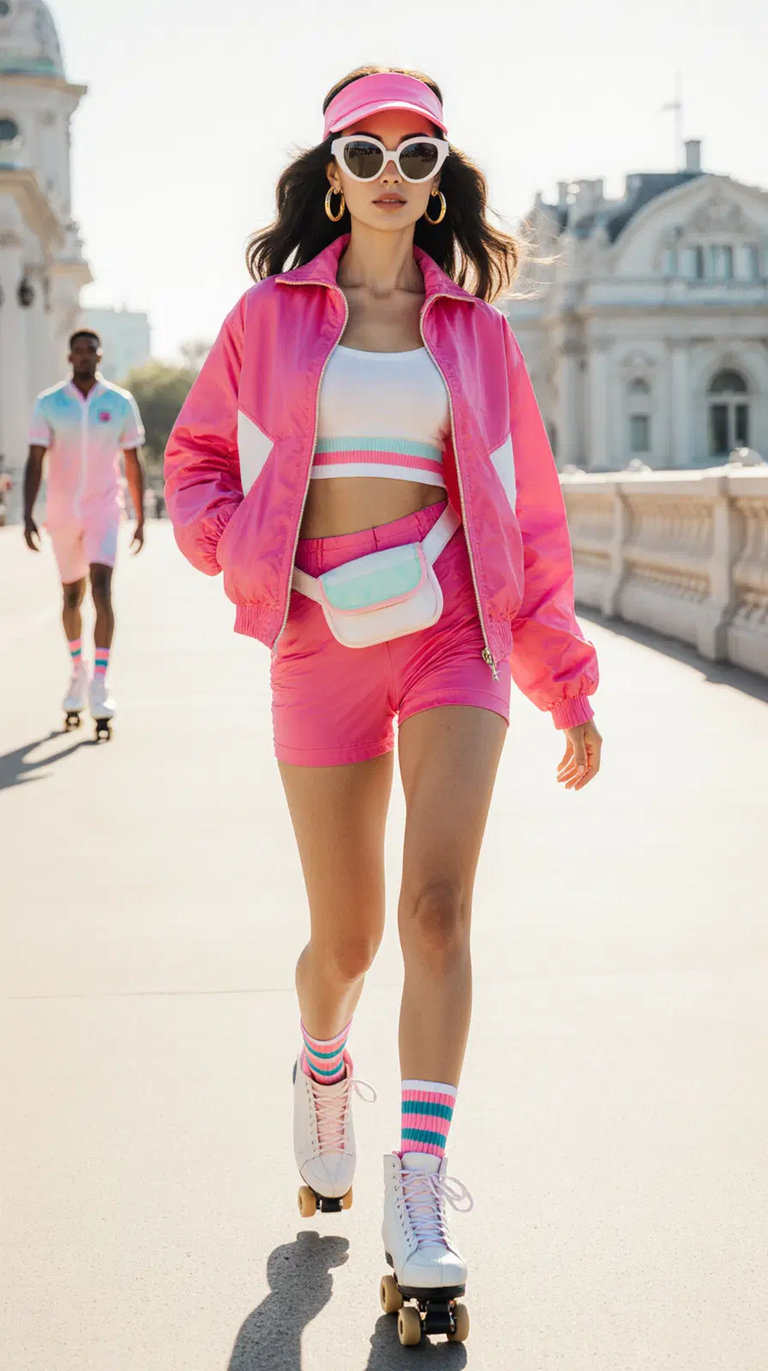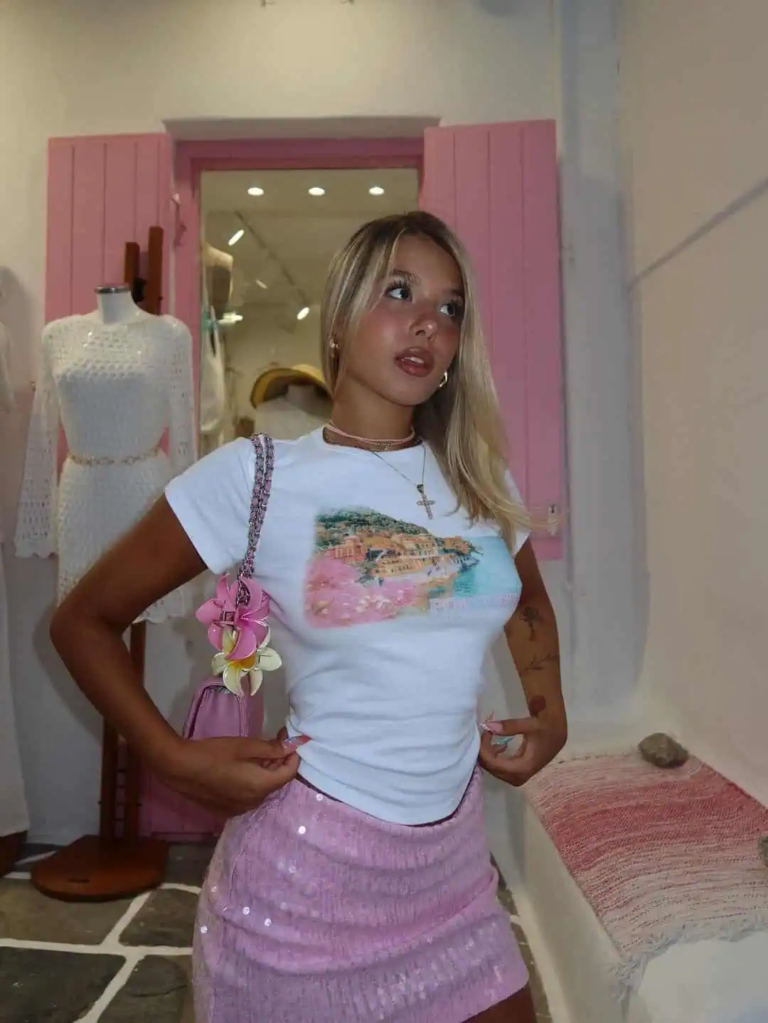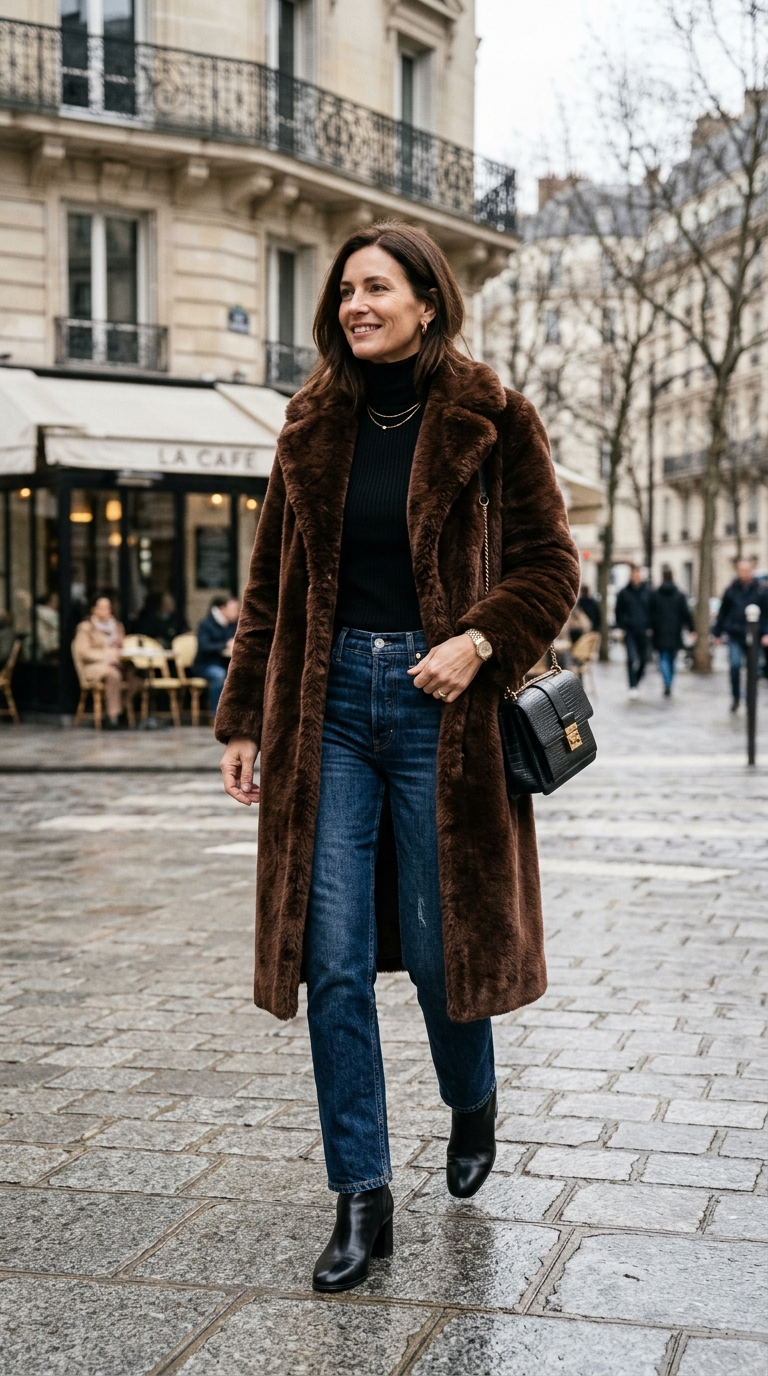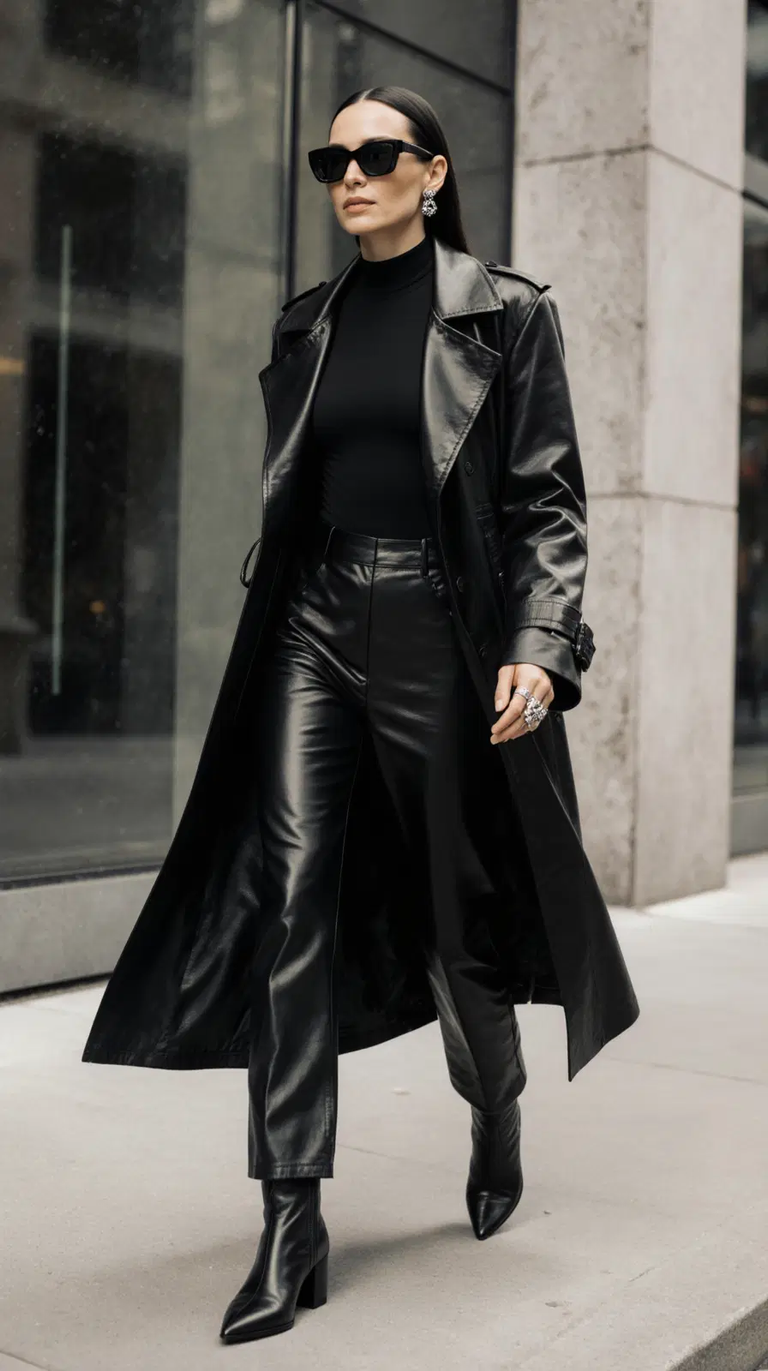
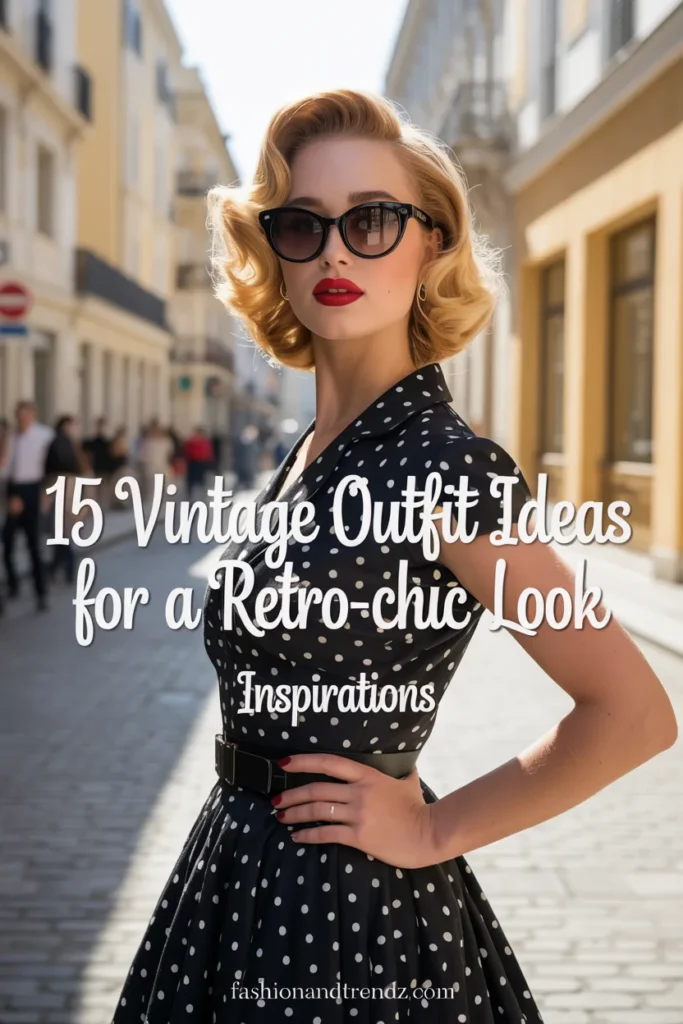
Vintage outfit inspiration is not about dressing like a character from an old film. It is about borrowing the strongest silhouettes, fabrics, and proportions from past decades and refining them for a modern wardrobe. A nipped waist from the 1950s, a clean wide-leg line from the 1940s, or a fluid bias cut from the 1930s can all look current when the fit is right and the styling stays restrained. The secret is balance: one vintage anchor per outfit, supported by simple modern pieces, so the look reads as polished rather than costume. The fifteen ideas below cover dresses, trousers, skirts, and evening wear, with notes on fabric, fit, and accessories for different body shapes. Use them to build outfits for garden parties, office days, festivals, and formal evenings alike.
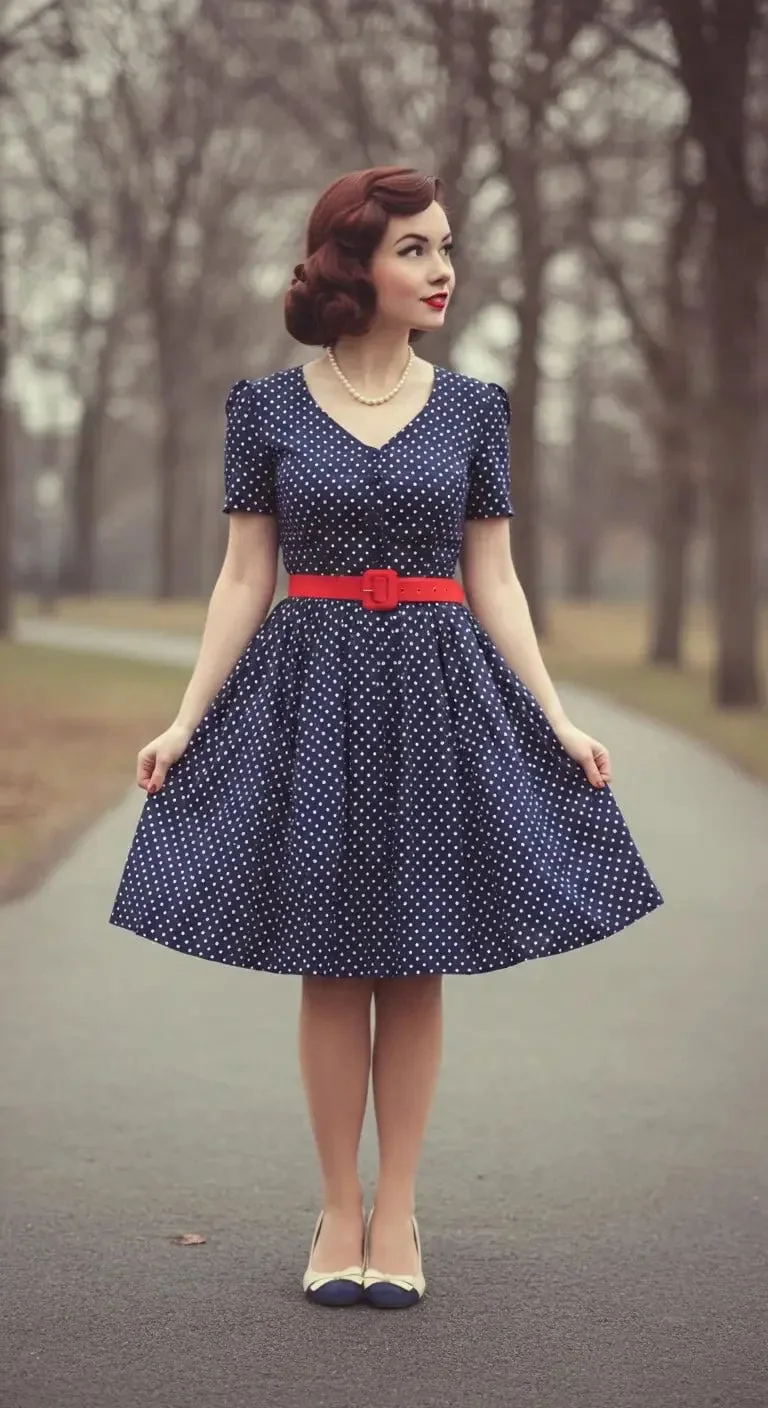
1950s Polka Dot Swing Dress Ensemble
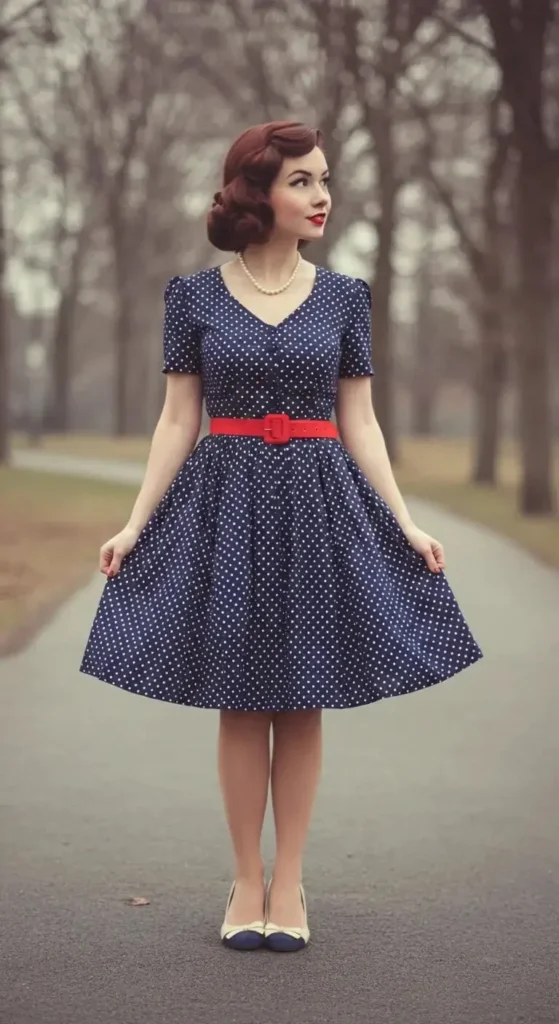
A 1950s swing dress works because of its engineered proportions: fitted through the bodice, nipped at the waist, and dramatically full through the skirt. That contrast creates an hourglass shape on a straighter frame. Look for cotton sateen or structured poplin with a touch of stretch, since stiff fabric feels theatrical and thin fabric lets the skirt collapse. A structured bodice suits a fuller bust, while a defined belt adds shape to a straighter figure. Petite frames should keep the hem just below the knee. Finish with kitten heels for garden parties, and see these polka dot dress outfit ideas for more ways to style the print.
High-Waisted Wide Leg Trousers with Tucked Blouse
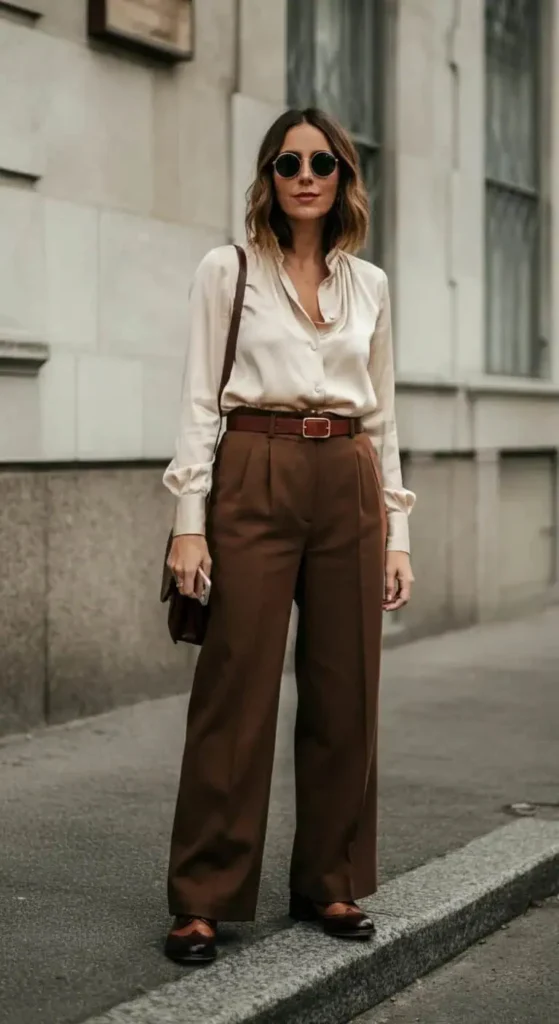
This look nods to 1940s tailoring, and the reason it works is vertical elongation. A high waist visually raises the hip line, while a wide leg balances the shoulders and adds movement. Choose trousers in wool crepe, drapey gabardine, or fluid suiting fabric, since the fabric must fall cleanly from the hip without clinging. Wider hips need pleats that begin slightly above the fullest point, or bulk appears where none is wanted. For apple shapes, a flat-front version avoids extra volume. A silk blouse tucked cleanly defines the waist, and a bodysuit version removes wrinkling. Add oxfords for daytime or pointed heels for evening.
Rockabilly Denim and Bandana Combo
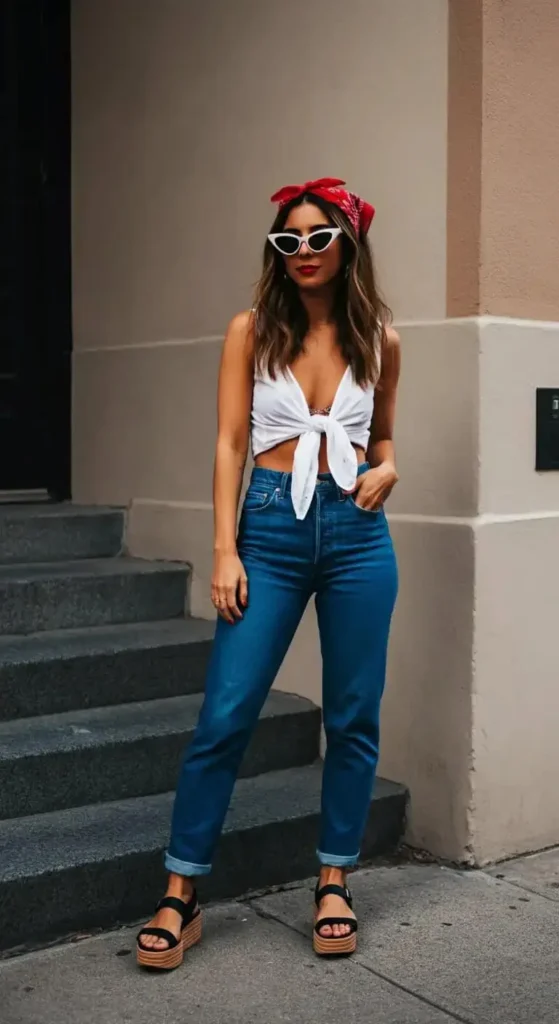
Rockabilly style is playful but grounded in strong waist definition. High-waisted denim cinches the midsection and creates a sharp contrast with cropped or tied tops. The denim should have structure: rigid cotton works beautifully on straighter bodies, while curvier figures often prefer a small amount of stretch for comfort. A bandana tied at the crown draws attention upward and rebalances proportions for pear shapes. For modern wear, skip ultra-cropped tops and knot a button-down at the waist instead, showing just a hint of skin. That adjustment keeps the look wearable beyond themed events, and it suits festivals, casual dates, and summer markets.
Tea Length Shirt Dress with Accessories
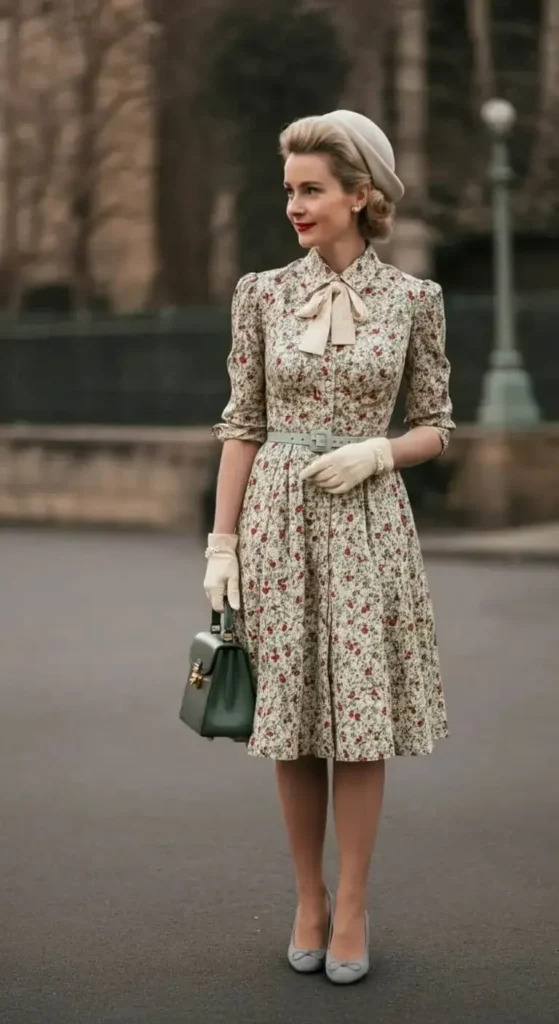
The tea-length shirt dress is one of the most forgiving vintage silhouettes, because it combines structure from the collar and buttons with fluidity from the A-line skirt. Choose fabrics like cotton voile, lightweight linen blends, or matte crepe, since heavy fabric loses its swing and thin fabric becomes clingy. Belt placement is everything: raising the belt slightly above the natural waist makes legs look longer. A sleeve ending above the elbow feels intentional and flatters fuller arms. Pair it with low block heels for daytime, then structured pumps and bold lipstick for evening.
Capri Pants and Fitted Sweater Set
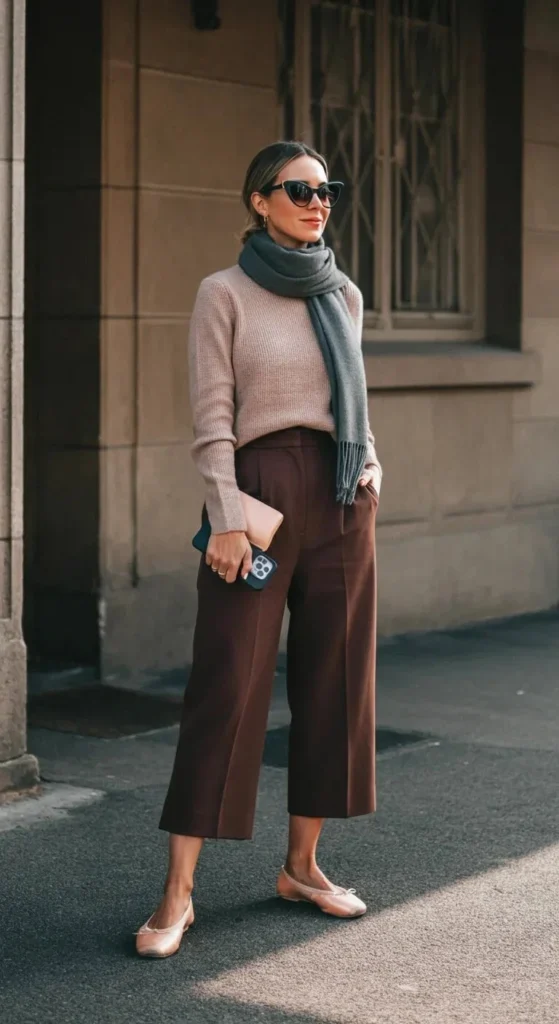
Capris create a sharp horizontal line at mid-calf, which is why proportion matters so much here. The hem should hit the narrowest part of the calf, because a hem at the widest point shortens the leg. Stretch cotton or ponte knit works best, since stiff fabric can pull at the knee and spoil the clean line. A fitted sweater balances the cropped hem: a bateau neckline suits broader shoulders, while a subtle scoop elongates the torso. A silk neck scarf adds vintage charm and draws attention upward, enhancing posture and presence. This refined pairing suits city strolls, museum days, or casual lunches.
Midi Pleated Skirt and Blouse Combination
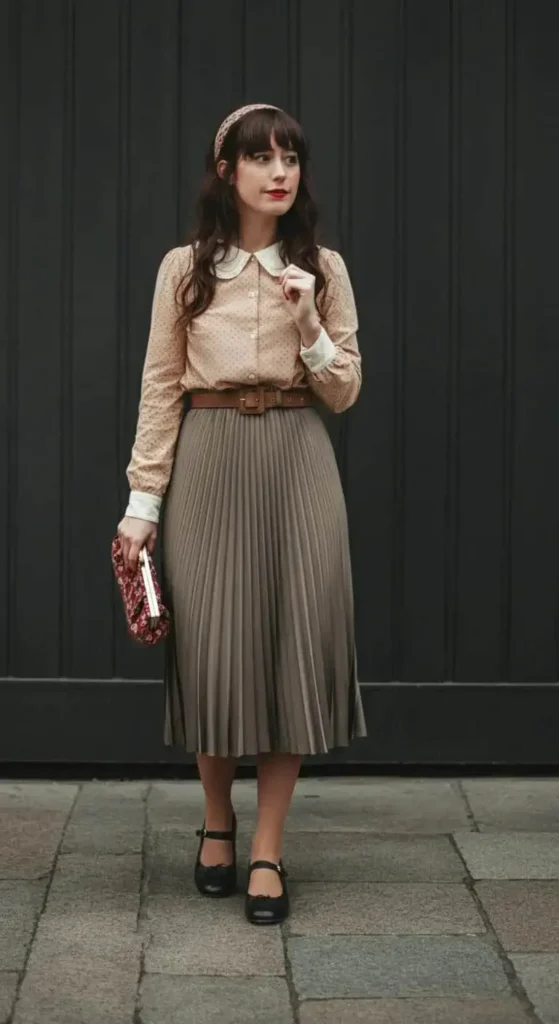
Pleats introduce vertical rhythm to an outfit. When they move, they create softness without sacrificing structure, which makes a pleated midi skirt easy to wear across seasons. Look for chiffon-lined versions for fluid movement, or structured pleats for crisp definition. Anyone carrying weight at the midsection should choose a flat-front waistband over elastic gathers, which add bulk. Tuck blouses fully for a classic feel, since half-tucks disrupt the vintage line. The pairing works in transitional weather, and tights with a cropped cardigan extend it into colder days. For more styling ideas, browse these pleated skirt outfit ideas with a tee.
Vintage Denim Overall Ensemble
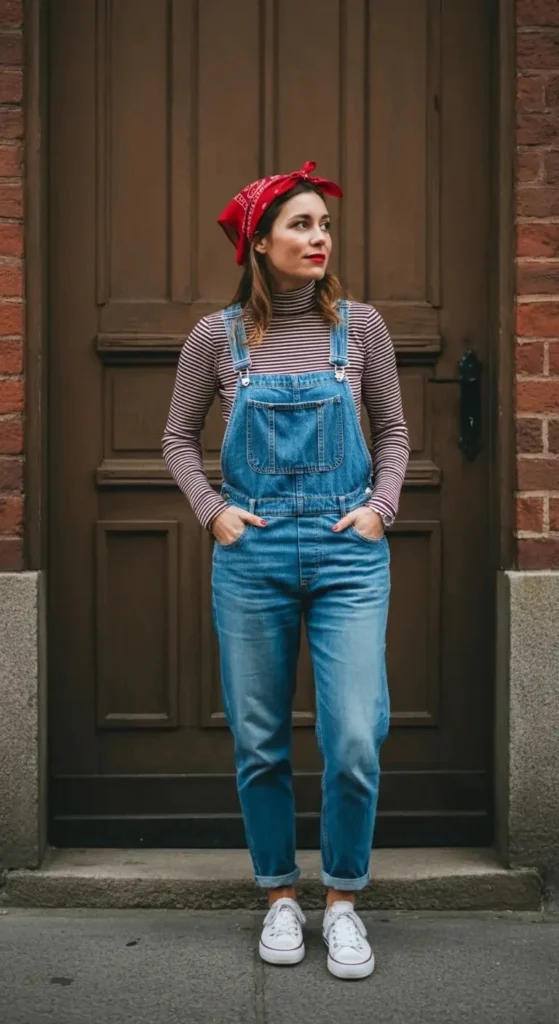
Overalls are rooted in workwear, but styling determines whether they feel nostalgic or juvenile. Choose darker denim for a streamlined look, and prefer wide-leg cuts over skinny versions, since wide legs elongate the frame far better. Layer with a fitted striped turtleneck to maintain structure underneath, because volume under volume rarely flatters anyone. For petite women, cuffing the hem slightly above the ankle prevents the overalls from overwhelming proportions. Keep accessories simple: small hoop earrings and a structured crossbody bag are enough. The result feels relaxed but intentional, which suits creative workplaces or weekend outings.
Circle Skirt and Cardigan Set
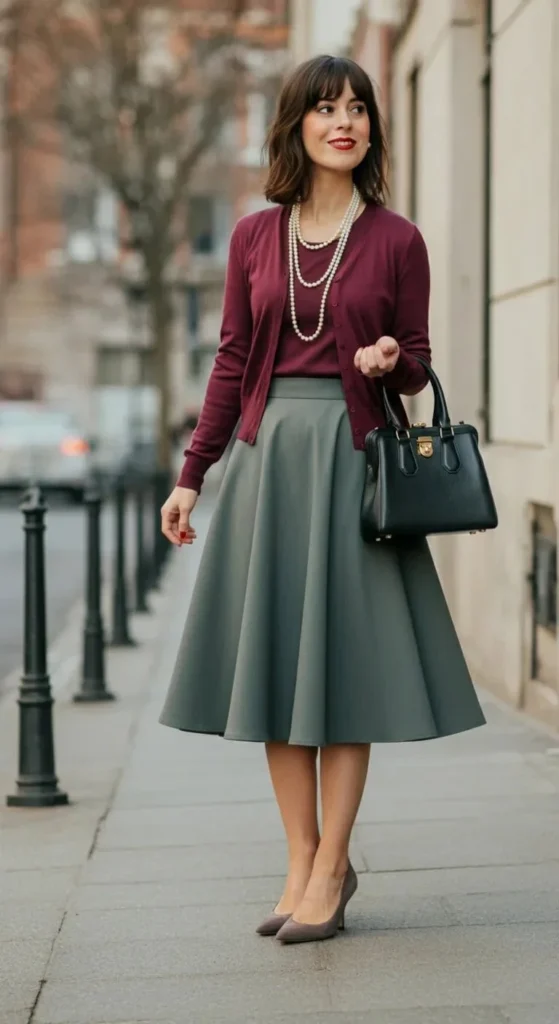
The circle skirt is dramatic by design. It relies on volume contrast: a fitted top above and an expansive skirt below. Fabric is critical here, since lightweight wool or cotton twill holds shape without stiffness, while limp jersey collapses. Shorter torsos benefit from slightly cropped cardigans that keep the waist visible, while longer torsos can handle full-length versions. Button the cardigan fully for authenticity, or leave the top two buttons open for a softer neckline. A slim belt at the waist sharpens the contrast between top and skirt. This feminine pairing is ideal for social gatherings or date nights.
Vintage-Style Jumpsuit Look
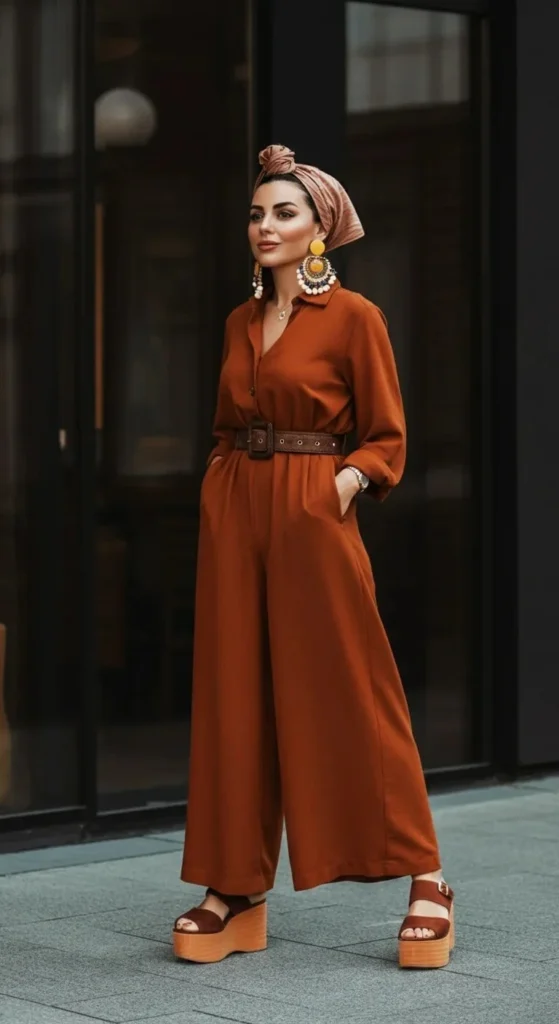
A wide-leg jumpsuit channels 1970s glamour, but tailoring makes or breaks it. The waist seam must hit precisely at the natural waist, because a seam that sits too low drags the entire silhouette downward. Fluid fabrics like crepe or matte satin move gracefully, while stiff fabric feels heavy. Taller women can wear exaggerated flares, while petite frames should choose a moderate width. A statement belt redefines the waist and changes the mood from casual to commanding. Block heels keep the wide legs from pooling at the ankle, and the look moves easily from dinner to evening events.
Pencil Skirt and Peplum Top Combination
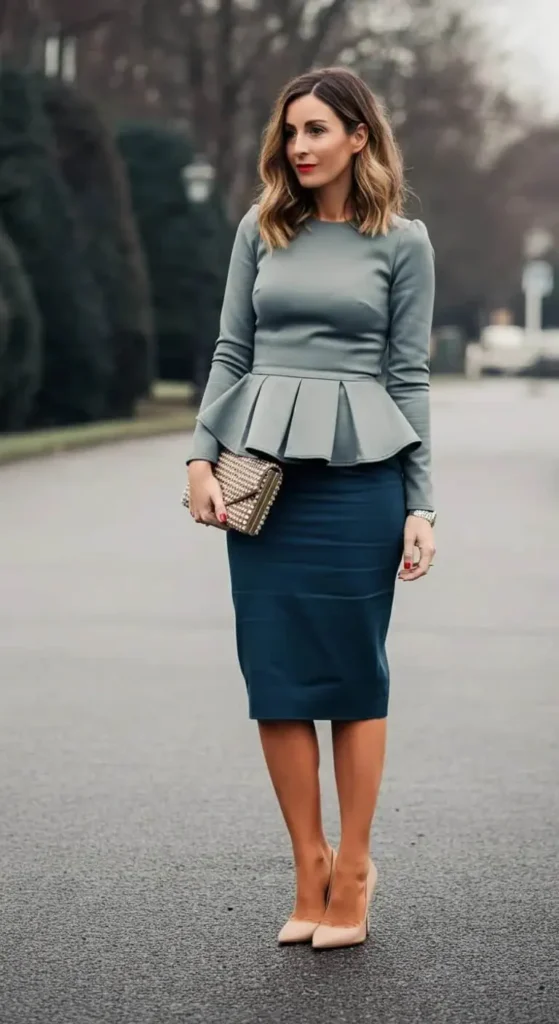
The pencil skirt is precision dressing. It follows the natural line of the body without excess fabric. Choose ponte or stretch suiting for comfort, since non-stretch versions restrict movement and confidence. The peplum balances the skirt by adding volume at the waistline, creating curves where they are needed. For hourglass shapes, a subtle peplum is enough, while straighter frames benefit from a slightly structured peplum that adds dimension. Keep the hem at or just below the knee so the leg line stays long, and finish with pointed heels. This pairing works beautifully in professional settings or formal gatherings.
Sailor-Inspired Vintage Look
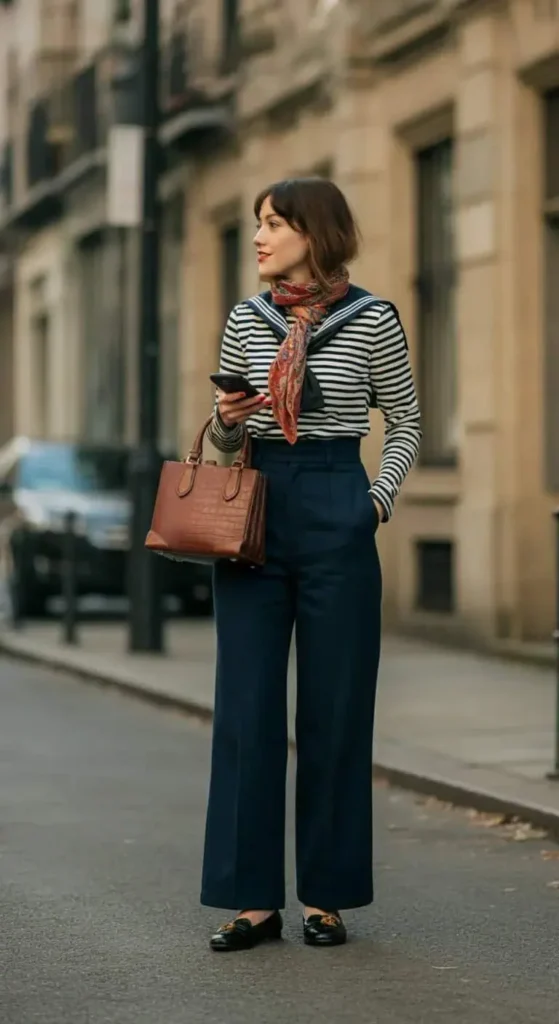
High-waisted sailor pants visually elongate the leg thanks to their vertical button detailing. Choose structured cotton blends that maintain clean lines, since soft fabric lets the front panel sag. Pair them with a striped knit top that fits close to the body, because a loose top overwhelms the silhouette and hides the waist emphasis. This look particularly flatters rectangular body types, as the defined waist creates shape where the frame is straight. Keep accessories minimal: a red lip, small gold hoops, and white sneakers or espadrilles are enough. It is a fresh choice for spring weekends or seaside dinners.
Tea Party Dress Ensemble
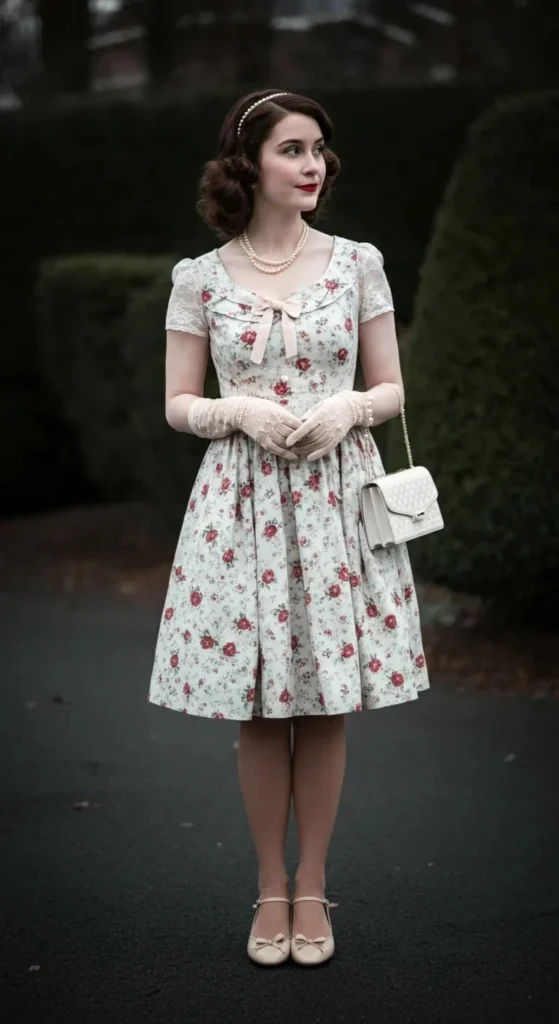
A floral tea dress feels romantic, but proportion keeps it refined. Look for bias-cut or gently flared skirts that skim rather than cling, since a clinging skirt turns pretty into fussy. Lace gloves or delicate accessories should feel light, never costume-heavy, so choose one small accent rather than several at once. For a more mature look, muted florals work better than bright prints, because the effect reads as elegant rather than theatrical. A small structured handbag and low heels complete the outfit without competing with the print. This pairing suits bridal showers, luncheons, or outdoor celebrations.
Retro Shorts and Blouse Combination
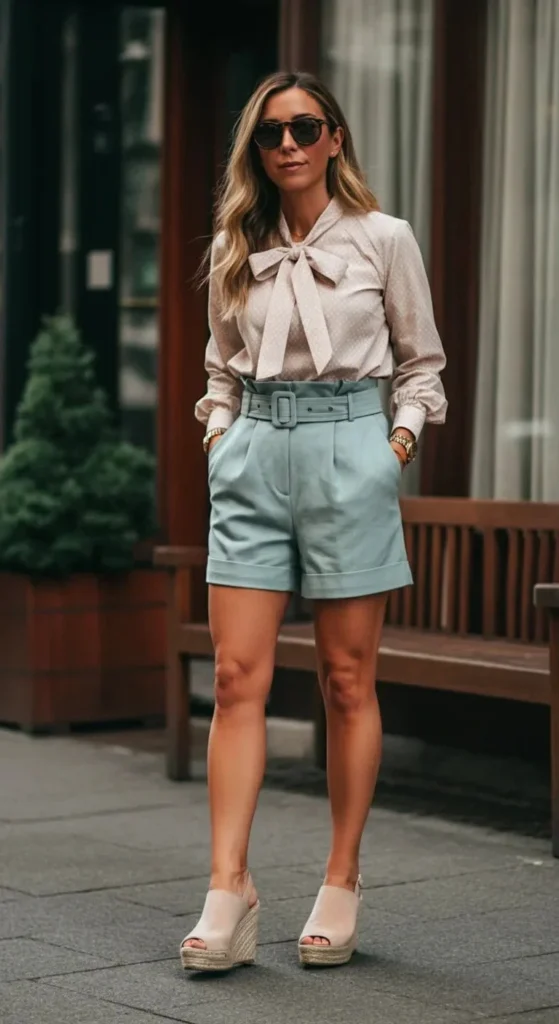
High-waisted shorts highlight the waist while showcasing the legs. Tailored versions in structured cotton flatter far more than soft lounge fabrics, since structure holds the waistband in place and keeps the line clean. Tuck in a bow-detail blouse to maintain vintage authenticity, letting the bow sit at the centre of the waist as the focal point. For anyone concerned about thigh fullness, slightly longer inseams paired with wedges elongate the leg line. Keep the palette simple: one solid colour for the shorts and a plain blouse above. This pairing is playful yet polished for warm-weather outings.
Vintage-Style Culotte Ensemble
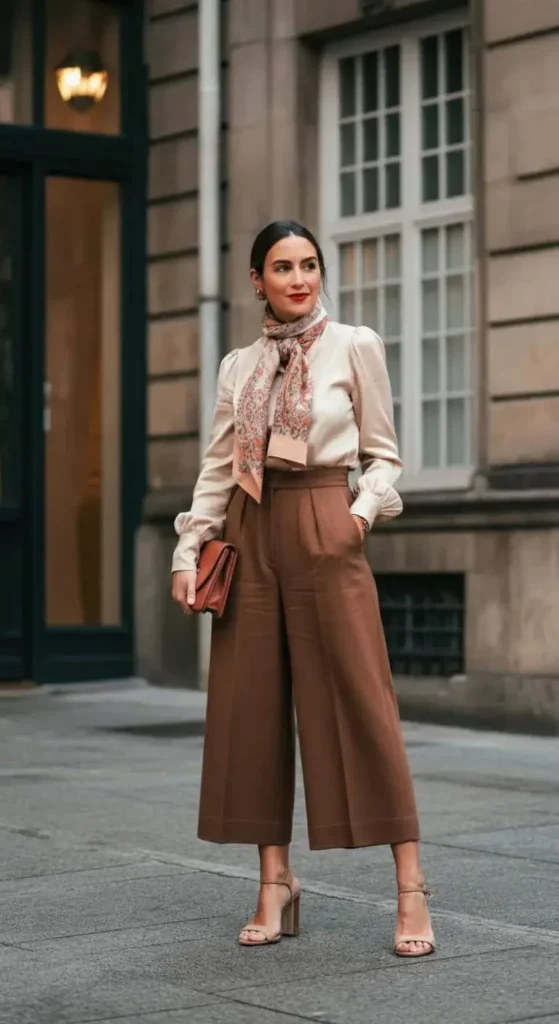
Culottes offer freedom of movement with skirt-like elegance. The key is length: they should hit mid-calf at the slimmest point, or the wide legs can shorten the frame. Fluid fabrics drape beautifully here, while heavy fabrics add bulk and defeat the purpose. Balance the volume with a fitted blouse and a defined waistline, since a loose top over wide culottes hides the shape entirely. A slim belt or a half-tuck both work to mark the waist. Pointed flats or low block heels keep the look neat, and the comfort and refinement together make this pairing work for workdays or travel.
Hollywood Glamour Evening Look
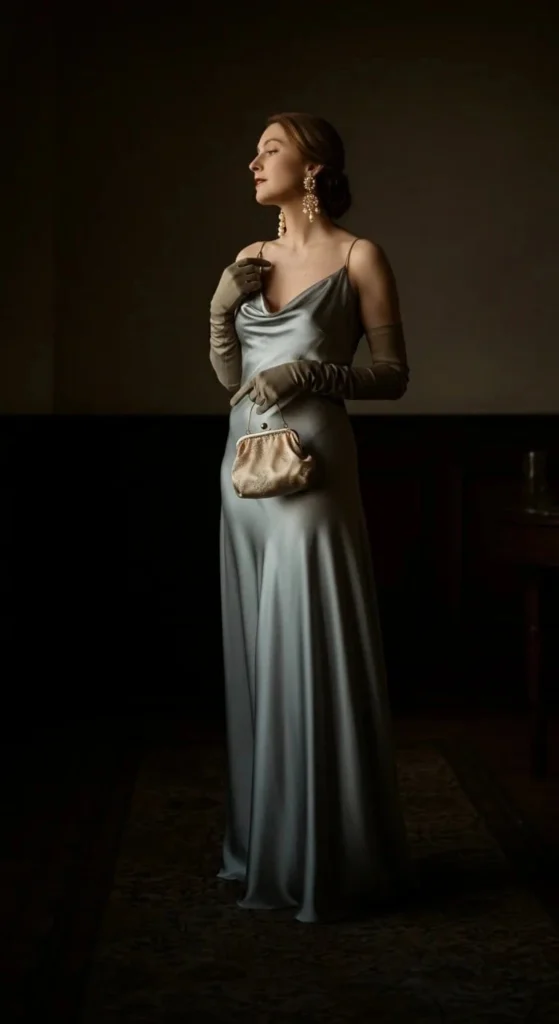
Nothing captures vintage drama like a bias-cut gown inspired by 1930s cinema. Bias cuts contour the body naturally because the fabric stretches diagonally, and silk satin or charmeuse creates liquid movement under light. Subtle under-structure supports curves without showing, while strategic draping at the waist or shoulder adds dimension to straighter figures. Long gloves elongate the arm, while statement earrings frame the face and draw attention upward. Keep hair smooth and swept back so the neckline stays visible, and see these classic vintage hairstyles for looks that complete the glamour. This gown radiates confidence, ideal for formal galas or black-tie weddings.
How to Choose
Start by picking the decade that suits your body and your life, because each era flatters a different shape. The 1950s nipped waist suits most figures, the 1940s wide leg lengthens shorter frames, and the 1970s jumpsuit favours taller women. Build the outfit around one vintage anchor piece, then add simple modern basics so the look stays wearable rather than theatrical. Check fabric before buying: structured cotton, wool crepe, and silk satin hold vintage silhouettes, while thin jersey lets them collapse. Try the outfit sitting down as well as standing, since a pencil skirt or high-waisted trouser that pinches when seated will not survive a full day. Also check the length in a mirror from the side, since a hem or flare that looks right from the front can sit awkwardly in profile. Keep accessories to two or three pieces, and let one detail, such as a belt or a scarf, carry the vintage character. For more era-spanning ideas, browse these timeless retro outfits before you shop.
FAQs
What makes an outfit look vintage rather than old-fashioned?
A vintage look borrows a clear silhouette from a past decade, such as a nipped waist or a wide leg, and pairs it with modern grooming, shoes, and minimal accessories. The fit must be current and clean, so the outfit reads as intentional styling rather than a costume.
How do I wear vintage styles without looking like I am in costume?
Limit yourself to one vintage anchor piece per outfit and keep everything else simple and modern. A 1950s swing dress with plain modern heels reads as vintage-inspired, while a full period outfit with matching hair and accessories can tip into costume.
Which vintage era suits a petite frame best?
The 1940s and 1950s suit petite frames well, because high waists, nipped waists, and knee-length hems lengthen the leg line. Avoid floor-length 1930s gowns and very wide 1970s flares, which can overwhelm a shorter frame unless the proportions are carefully tailored.
Can vintage outfits work for the office?
Yes, many vintage pieces suit the office when the styling stays restrained. High-waisted wide-leg trousers with a tucked blouse, a pencil skirt with a peplum top, and a tea-length shirt dress all look professional, provided the fabrics are structured and the accessories are minimal.
Where should I start if I am new to vintage styling?
Start with one easy piece, such as a tea-length shirt dress or a midi pleated skirt, since both flatter most body shapes and need little styling. Add a belt to define the waist, choose simple shoes, and build from there as you learn which eras suit you best.
Final Thoughts
Vintage outfit inspiration works best when one strong silhouette leads and everything else stays simple. Pick the era that flatters your shape, invest in fabric that holds its line, and let a belt, a scarf, or a pair of gloves carry the retro character. Keep a small rotation of your best vintage pieces ready to wear, so getting dressed stays easy instead of becoming a project. Try one idea at a time, adjust the fit until it feels comfortable, and you will build a wardrobe that feels polished, feminine, and entirely your own.