
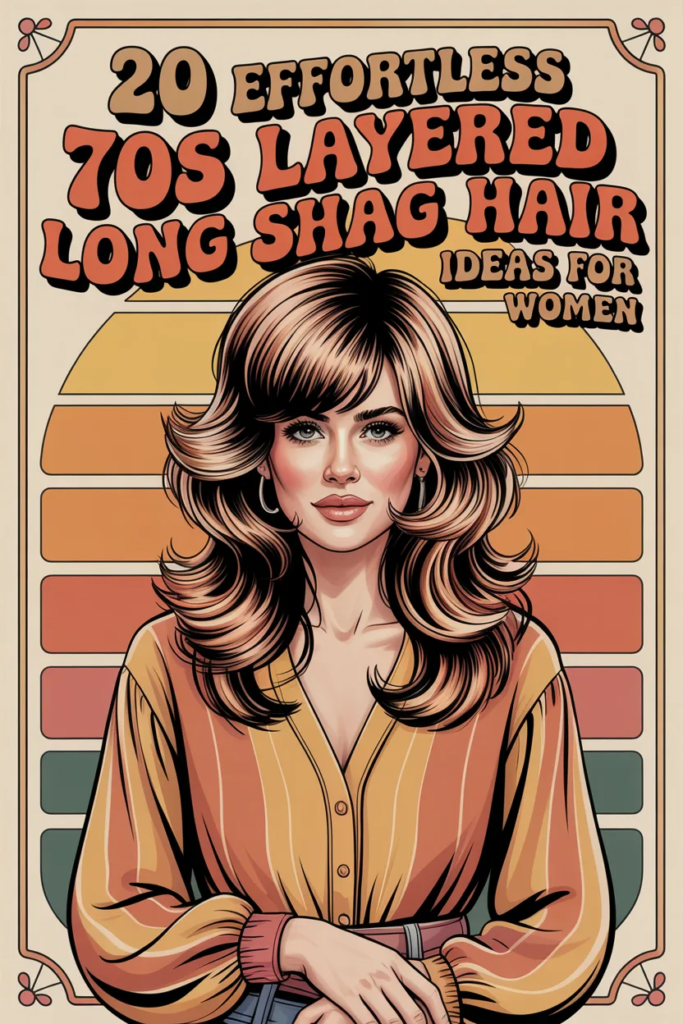
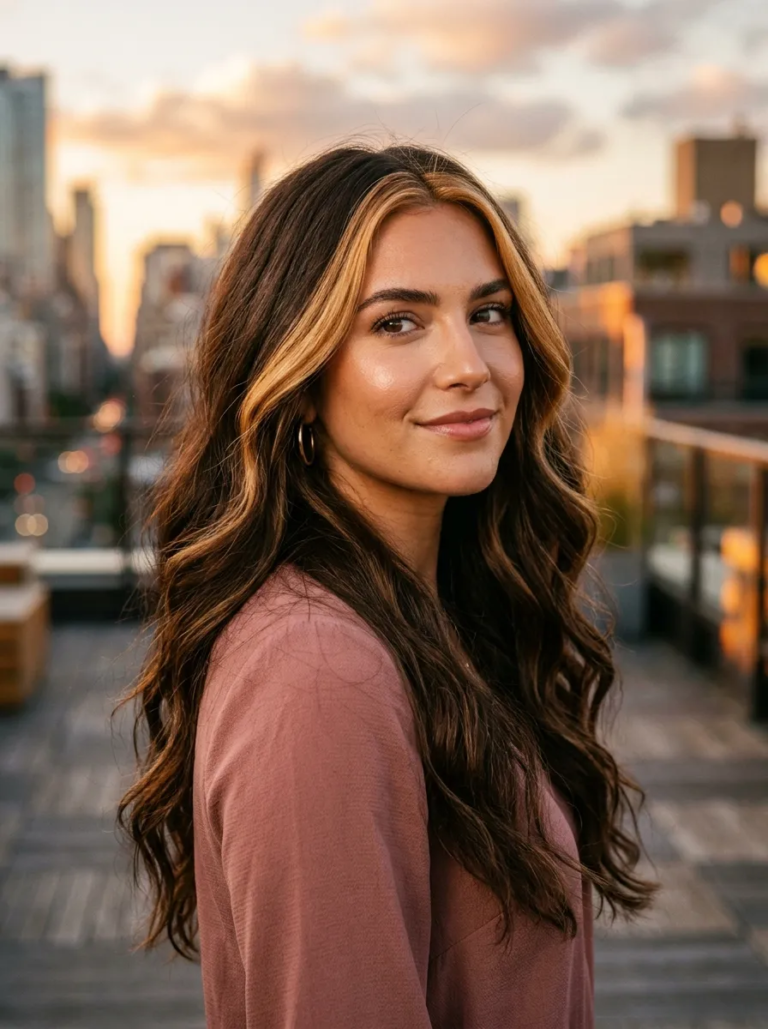
If one haircut blends volume, movement, and relaxed style, the 70s layered long shag sits near the top of the list. This iconic hairstyle has stayed popular for decades because it works on many hair textures and face shapes. Long layers create flow without bulk, while feathered ends keep the shape light. The twenty ideas below show the shag in classic, modern, wavy, straight, and bohemian versions, so you can find the cut that matches your hair type and the amount of styling time you have. The shag first became famous in the 1970s, when feathered layers and curtain bangs defined the decade. Today the cut feels fresh again, because modern layering keeps the shape soft instead of choppy. It suits long hair best, since the length shows off every layer.
1. Classic Feathered Shag
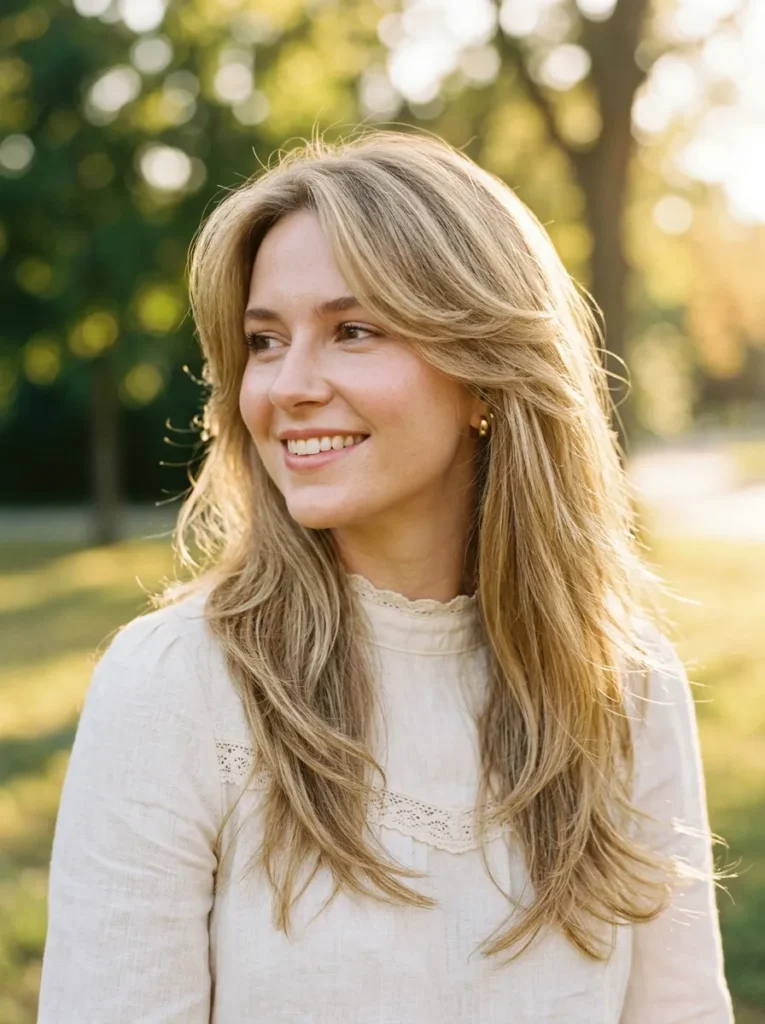
The classic feathered shag is the haircut that often comes to mind when thinking about authentic 70s hairstyles. Long layers flow naturally through the hair, creating movement without making the ends look bulky. The feathered edges soften the outline and frame the face gently. For more vintage-inspired shag variations, these shag cut inspos show how the classic shape appears on different lengths. Style it with a round brush, turning the ends outward for that signature feathered flick. A large round brush and a cool shot at the end lock the feathered flick in place for hours.
2. Curtain Bangs Long Shag
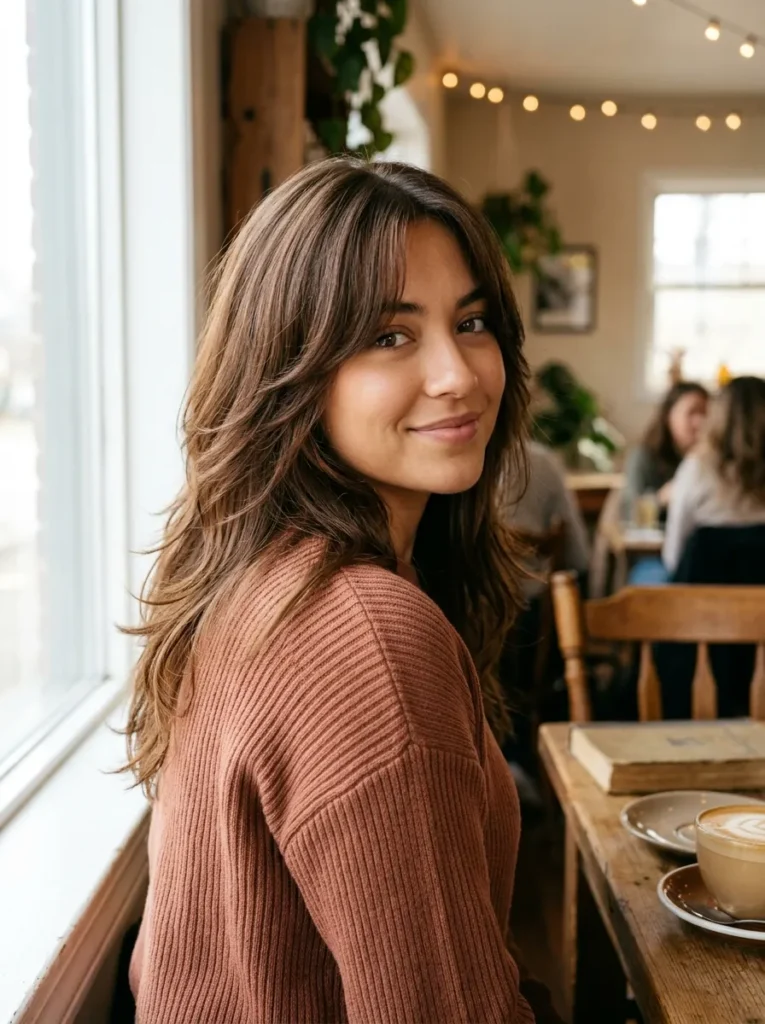
Adding curtain bangs instantly gives a long shag a softer and more flattering appearance. The bangs open in the center and gradually blend into the surrounding layers. This style is especially useful when you want to draw attention to the eyes and cheekbones. The bangs grow out easily, since they merge into the longer layers over time. Blow-dry them with a round brush, sweeping each side away from the face for a gentle, open curve. The bangs also hide a wide forehead nicely, since the center opening draws the eye downward.
3. Voluminous Crown Shag
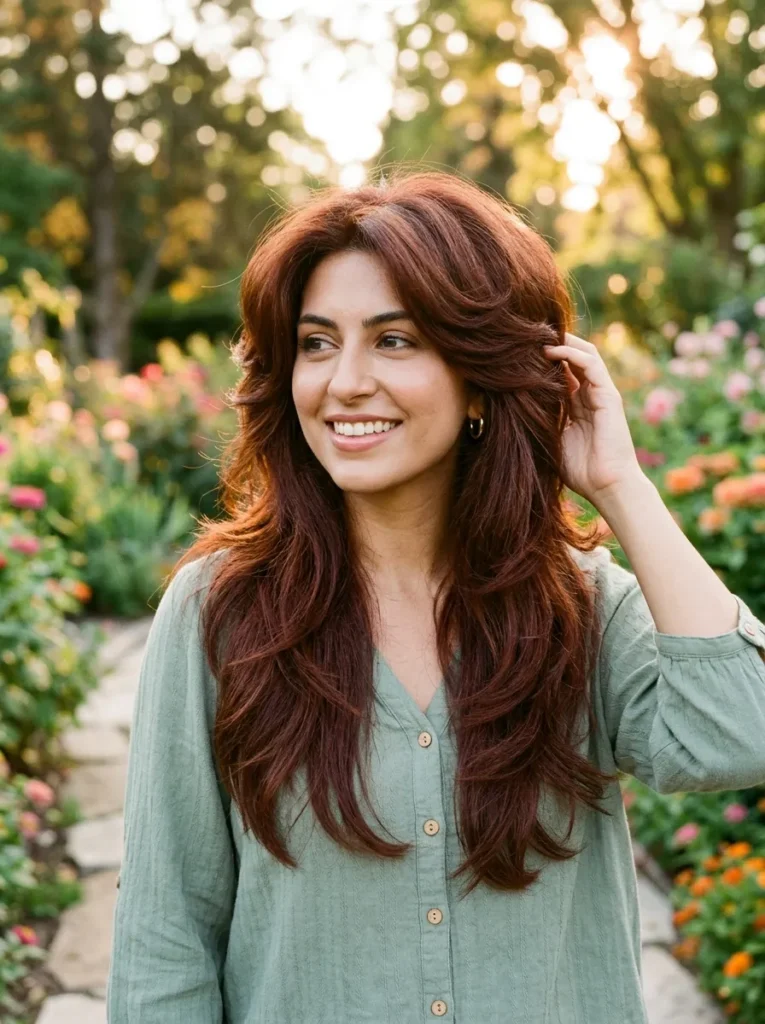
This variation focuses on creating extra height near the roots while maintaining flowing layers through the lengths. It suits anyone with fine or flat hair because strategic layering can create the appearance of fuller hair. Shorter layers at the crown lift the roots, while longer layers keep the overall shape balanced. Blow-dry the crown with a round brush, lifting at the roots for volume. A light volumizing mousse applied at the roots before drying helps the lift last. Backcombing the crown lightly before blow-drying adds extra lift that lasts through a long day.
4. Soft Wavy Long Shag
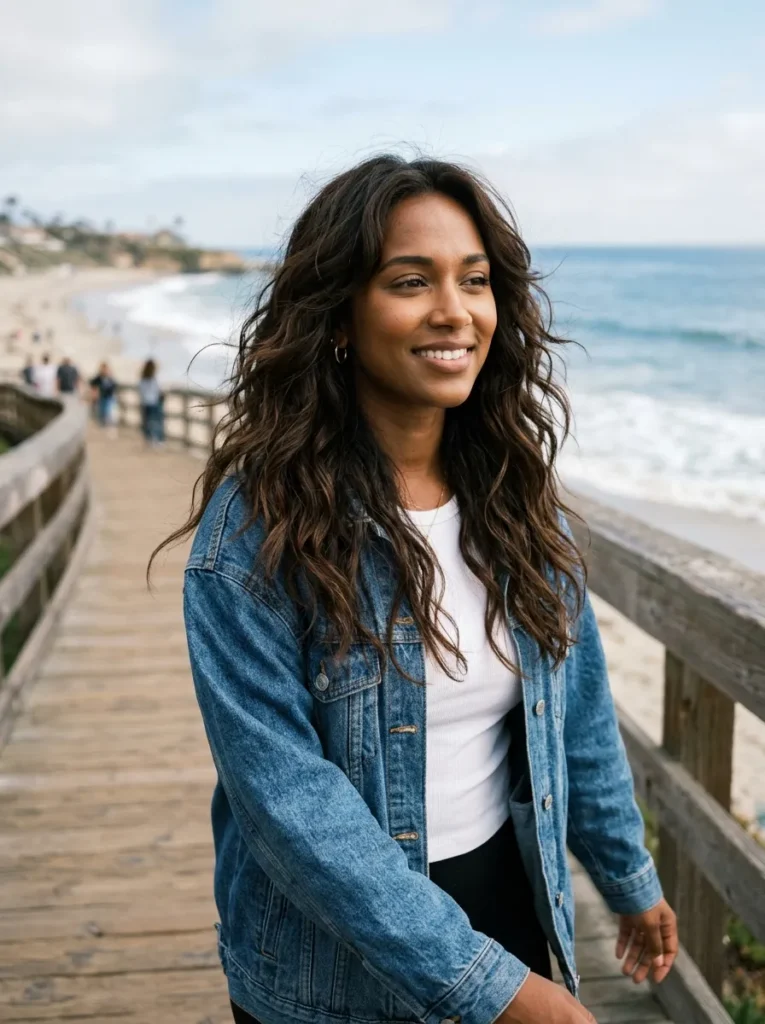
For naturally wavy hair, this haircut enhances texture rather than fighting against it. The layers help waves form naturally and create a relaxed shape. This style looks even better throughout the day, as the waves settle into a soft, lived-in pattern. Scrunch a little curl cream through damp hair and let it air dry for the easiest version. The shag removes weight that can pull waves flat, so the texture stays lively from roots to ends. The layers also stop the waves from clumping together, so the texture looks defined instead of heavy.
5. Textured Ends Shag

This shag keeps much of the volume through the upper sections while adding noticeable texture near the ends. The result is a hairstyle that feels light, modern, and easy to wear. It is particularly appealing when you want movement without a heavy, blunt outline. The point-cut ends create separation, so each layer reads clearly. A small amount of texture paste rubbed between the palms and worked through the ends defines the pieces without weighing them down. The piecey ends also make the hair look thicker, since the separated tips catch the light.
6. Face-Framing Layer Shag
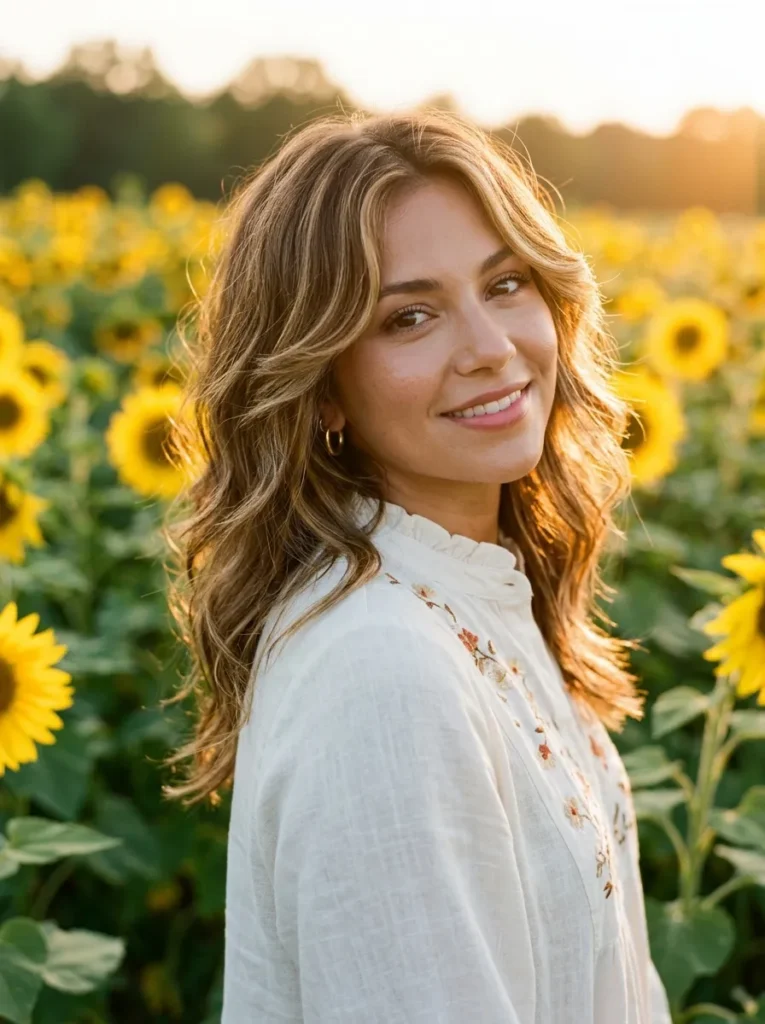
Face-framing layers create an attractive contour around the cheeks and jawline while blending seamlessly into longer lengths. This variation works on many face shapes, since the shorter front sections can be adjusted to suit the features. The layers draw attention to the eyes and soften a strong jawline. Ask your stylist to start the shortest layer at the cheekbone for a balanced frame. Style the front pieces with a round brush, curving them slightly toward the face. The shorter front pieces also grow out into soft layers, so the shape stays flattering for weeks.
7. Straight Sleek Shag

A straight sleek shag combines the structure of layered cutting with a smooth finish. It looks polished while still maintaining the movement that makes shag haircuts unique. The layers remain visible even when the hair is straight, which gives the cut more interest than a blunt style. Flat iron in sections, bending the ends slightly outward or inward for shape. A shine serum on the lengths adds gloss and keeps the smooth finish looking healthy. Bending the ends slightly inward gives a neat finish, while flipping them outward feels more retro.
8. Boho Flow Shag
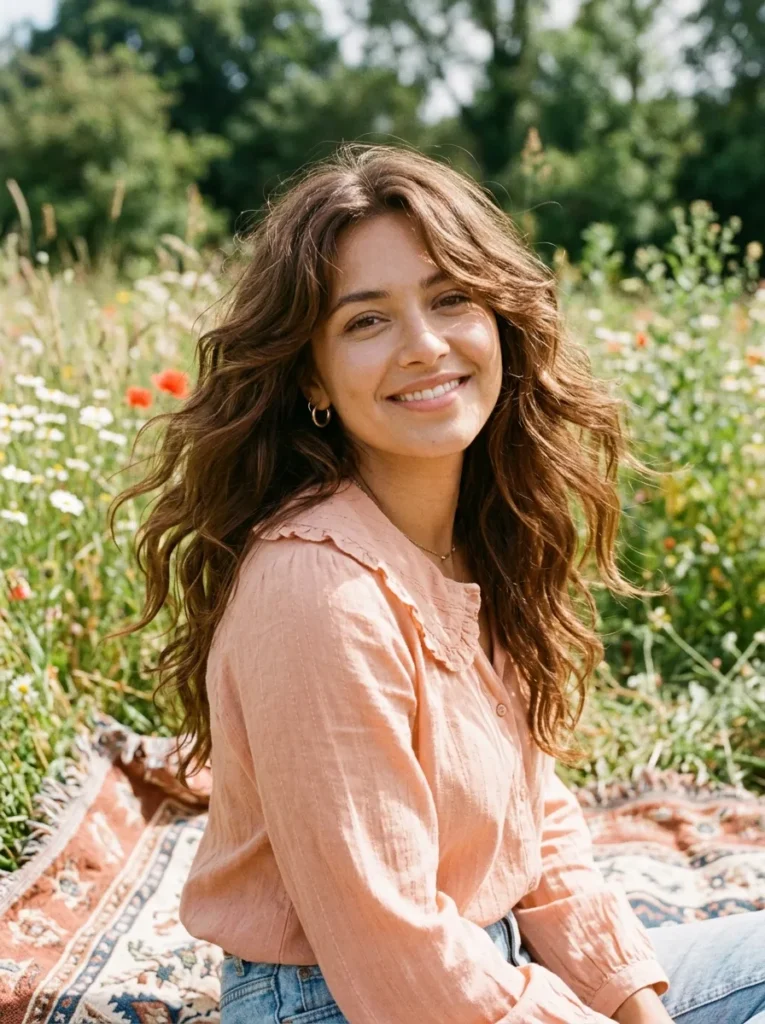
The boho flow shag embraces natural movement and relaxed texture. The layers blend softly together, creating a free-flowing silhouette. Whenever you want a hairstyle that feels effortless and carefree, this variation stands out. For a wilder take on the same spirit, these gypsy shag hairstyles show free-flowing layered cuts with a similar relaxed feel. Let the hair air dry with a little sea salt spray, and avoid over-brushing so the natural texture stays intact. A wide-tooth comb after washing keeps the natural waves intact without pulling them straight or creating frizz.
9. Side Part Layered Shag
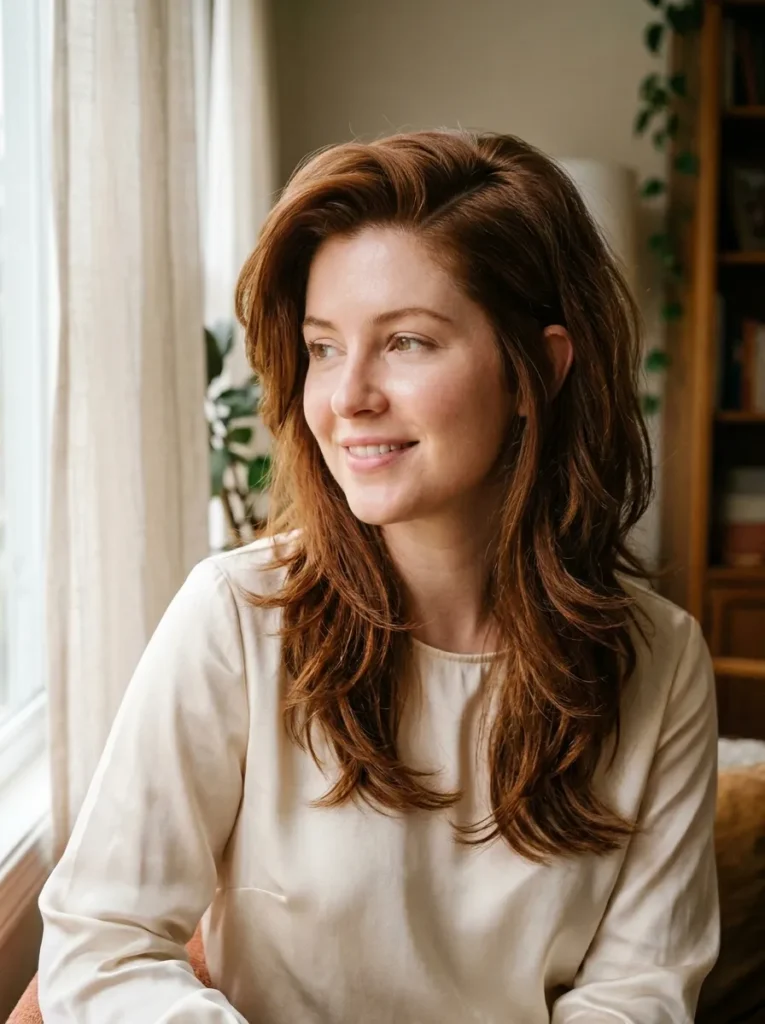
A deep side part can completely change the appearance of a layered shag. This style creates instant volume and asymmetry, since most of the hair sweeps to one side. The side part helps add dimension while giving the haircut a more dramatic appearance. It suits thick hair especially well, because the part redistributes the weight. Sweep the longer side over with a round brush for lift at the roots. The shorter side can tuck behind the ear for a clean contrast. The deep part also works well with hats, since the swept side stays smooth underneath.
10. Modern Updated Shag
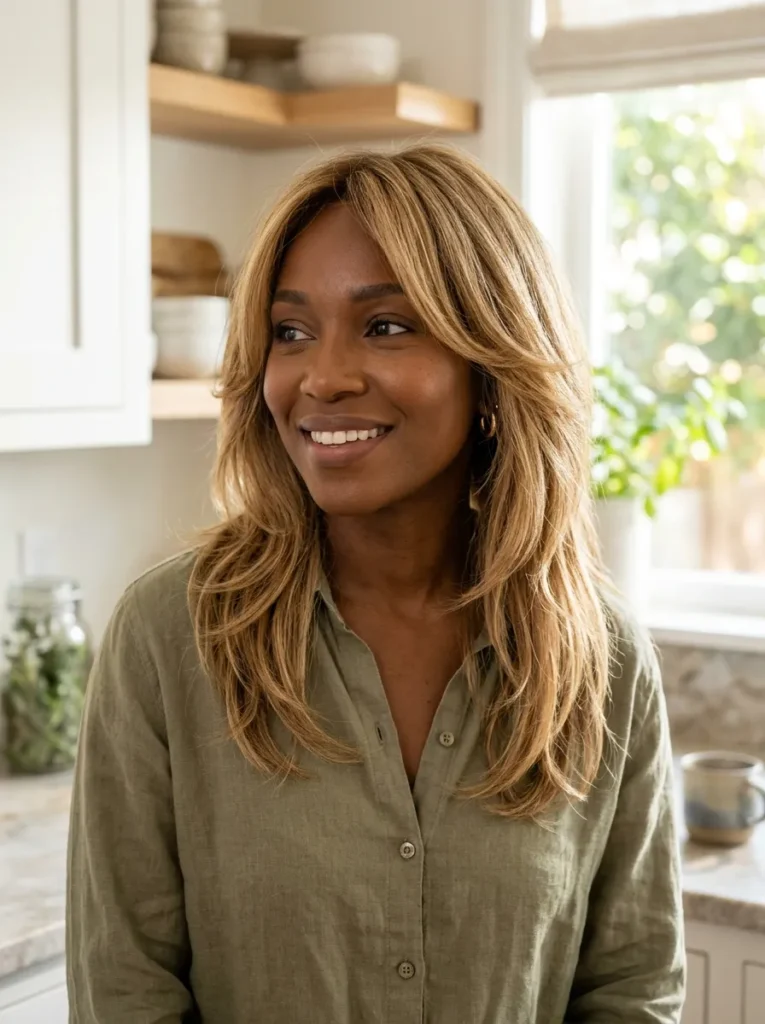
This version keeps the spirit of the classic shag while incorporating cleaner lines and more refined layering. Professional stylists often recommend this style because it combines vintage inspiration with current trends. The layers are softer and more blended than the choppy original, so the cut looks polished in an office or at an event. For a more tailored French take on the shape, these French shag haircut ideas show refined, sophisticated layering. Blow-dry smooth for a neat finish. The blended layers also make the cut easy to style, since the shape falls into place with a quick blow-dry.
11. Center Part Shag
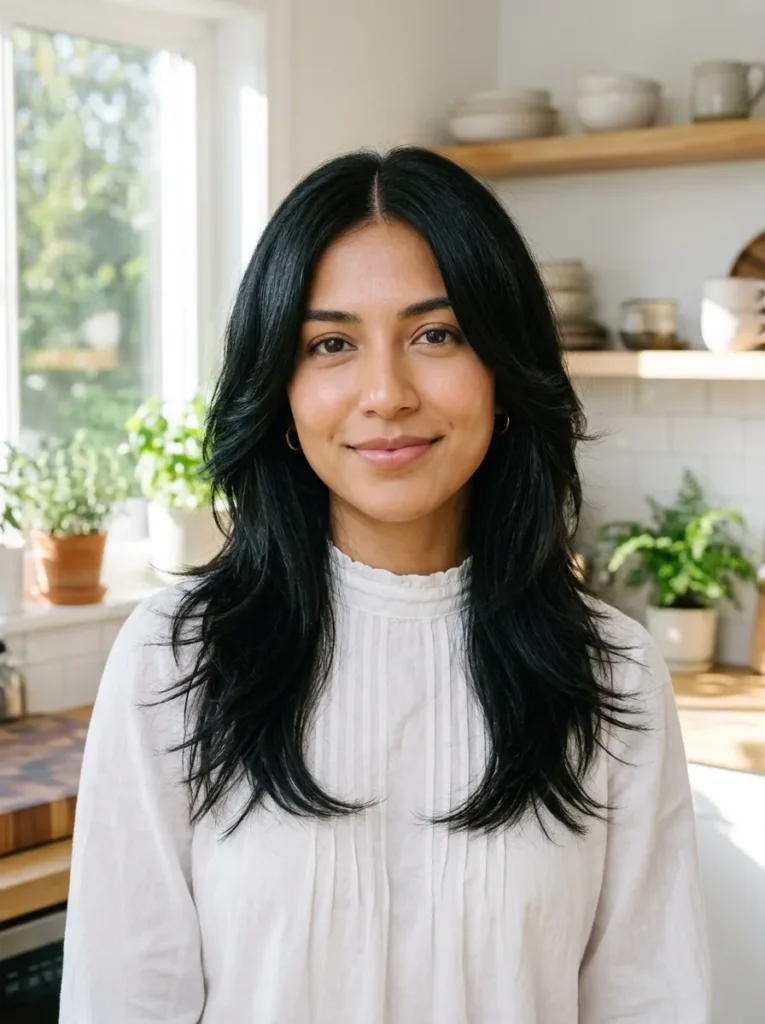
The center part shag creates symmetry and balance through evenly distributed layers. It frames the face naturally and allows the layers to fall evenly on both sides. This style is particularly flattering because the balanced shape suits oval, round, and heart-shaped faces. Part the hair in the middle while it is damp, then blow-dry each side away from the face. The center part also shows off the layering clearly, since both sides mirror each other. The even layers also make the cut simple to maintain, since both sides grow at the same pace.
12. Messy Bedhead Shag
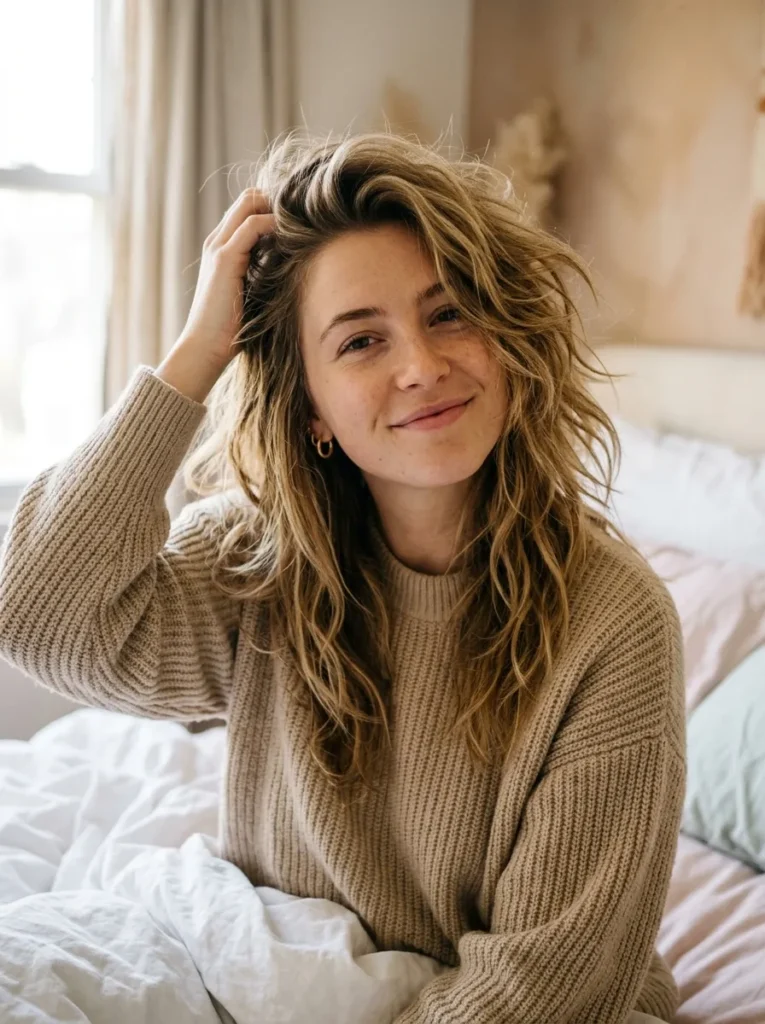
This hairstyle embraces texture and imperfection. The layers are designed to create an intentionally relaxed appearance, so the cut looks good with very little effort. Even second-day hair can look stylish with a quick refresh. Shake the roots with dry shampoo, scrunch the lengths, and let the pieces fall where they land. The bedhead shag suits wavy and straight hair alike, and it pairs well with casual outfits. Avoid heavy products that would flatten the airy texture. A silk pillowcase overnight keeps the tousled texture from turning into tangles by the next morning.
13. Layered Lob Shag
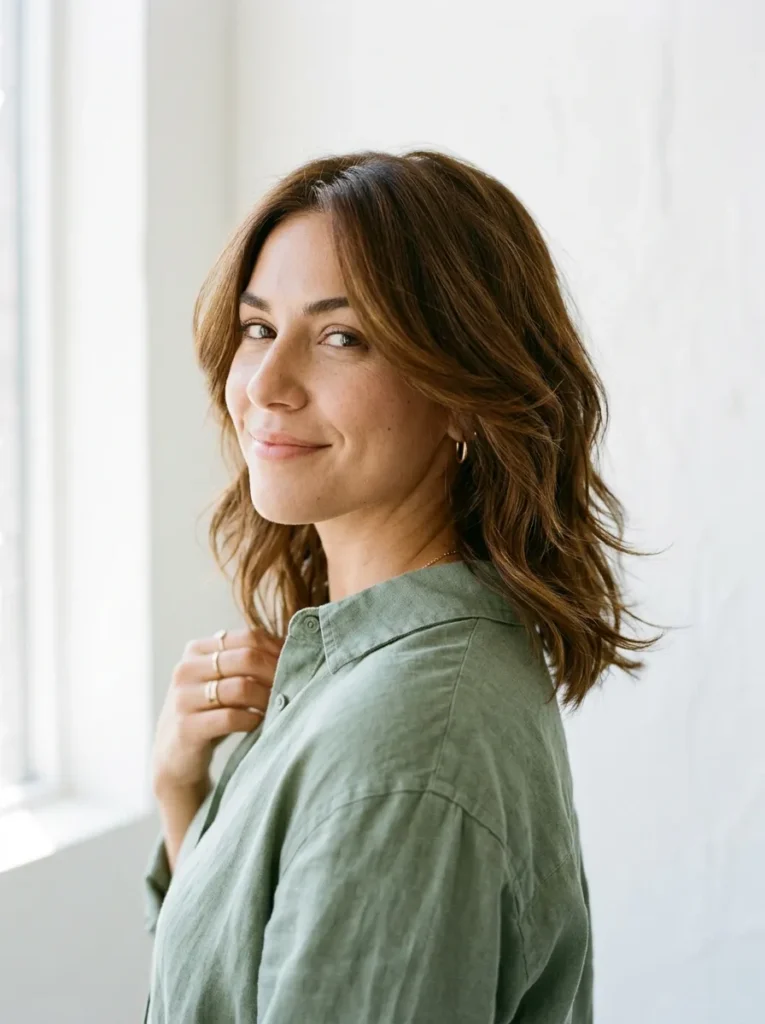
A layered lob shag offers the same textured benefits of a long shag but with a shorter length. This option is ideal for anyone wanting less maintenance while still enjoying volume and movement. The shoulder-skimming length dries faster and feels lighter, yet the layers keep the shape interesting. If you want more short-to-medium layered options, these haircut ideas for 2026 include butterfly, bob, and layered styles for every face shape. Style it with a round brush for a bouncy finish. The shorter length also dries faster in the morning, which makes the lob shag practical for busy routines.
14. Feathered Flip Shag
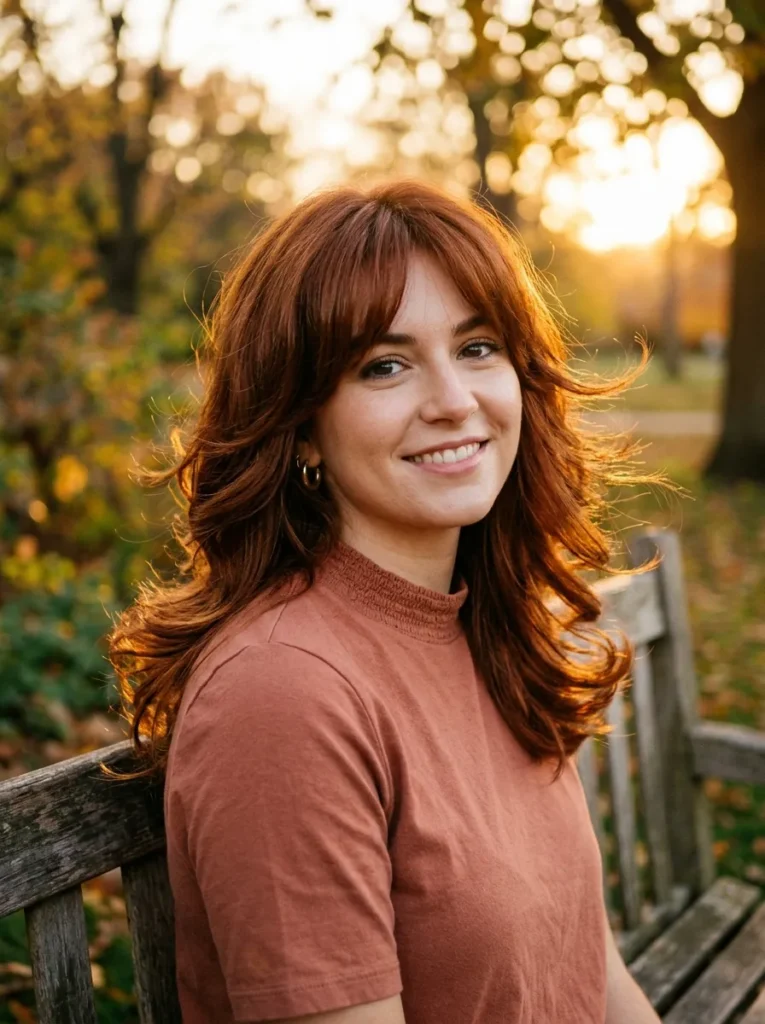
The feathered flip shag adds outward movement at the ends, creating a playful retro feel. The flipped layers create bounce and personality without requiring complicated styling techniques. It brings a fun energy to the haircut that suits both casual and dressy days. Blow-dry the ends outward with a round brush, working in small sections for an even flip. A light-hold spray keeps the flipped ends in place without making the hair stiff. A medium round brush gives the best flip, since a small brush curls the ends too tightly.
15. Deep Side Sweep Shag
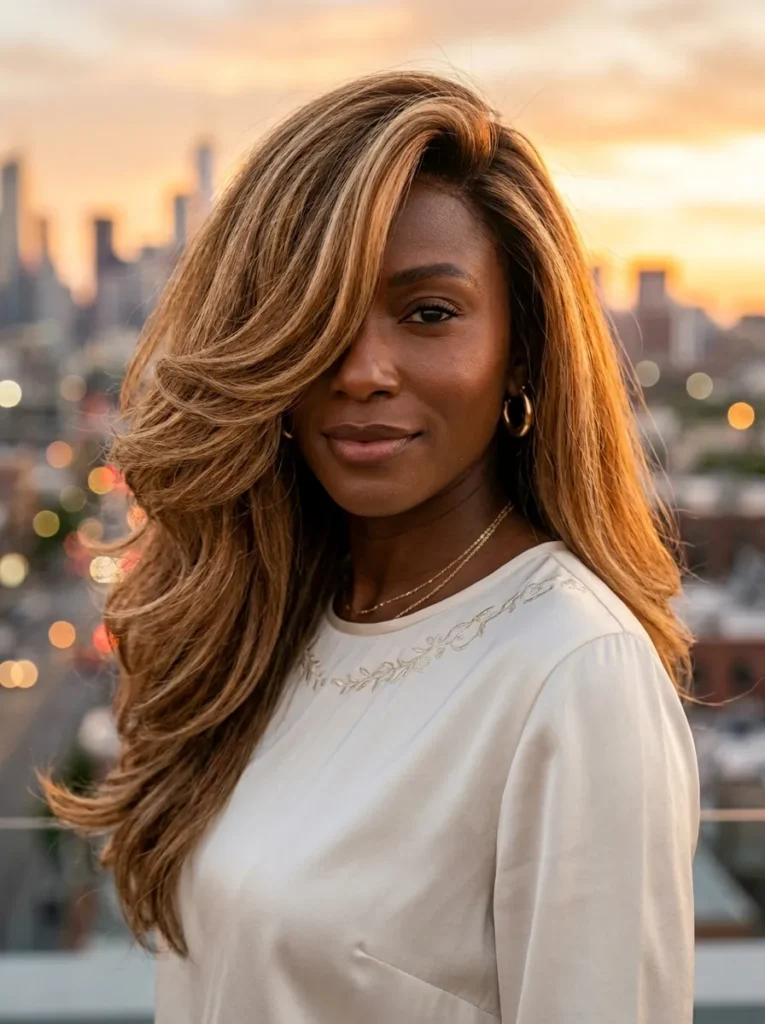
This variation uses a dramatic side sweep that falls gracefully across the forehead and over one shoulder. It is especially useful for special occasions because it creates instant glamour. The sweeping layers naturally frame the face and add softness to the overall shape. Create a deep side part, then blow-dry the front section across the forehead with a large round brush. Pin the sweep lightly behind the ear if you want it to stay put through the evening. The sweep also covers one side of the forehead, which suits anyone who prefers an asymmetrical look.
16. Subtle Curl Shag
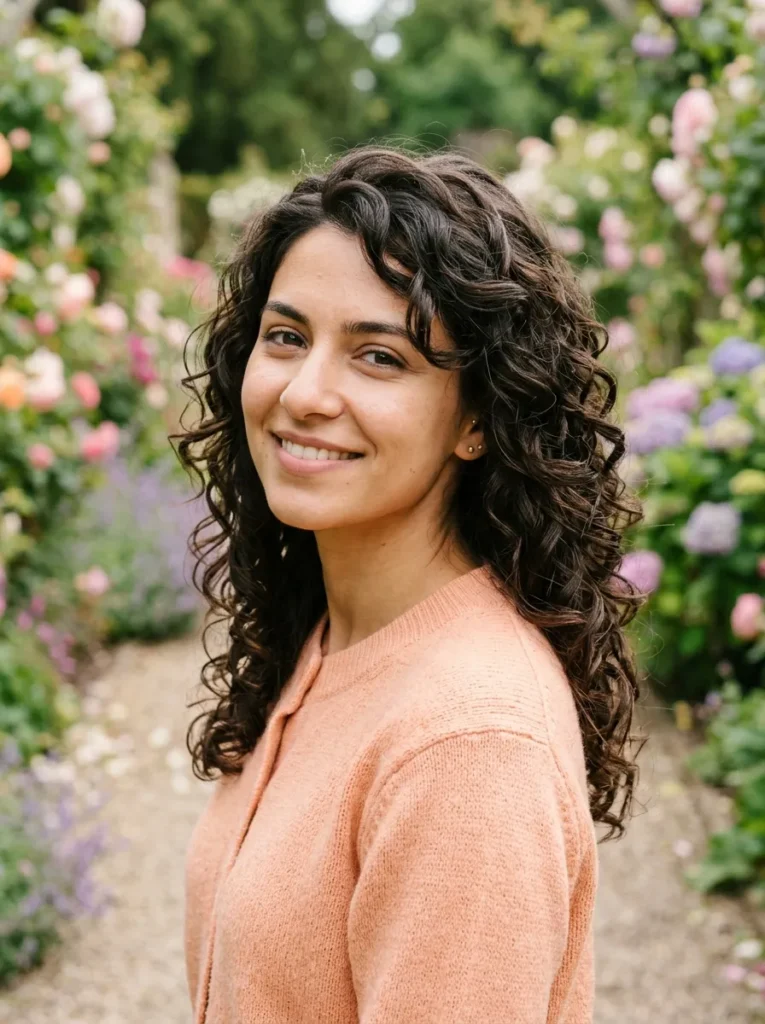
For naturally curly or wavy hair, subtle curl shag haircuts help define texture while maintaining softness. The layers encourage curls to form more naturally and reduce unwanted bulk. This style allows natural curls to shine without heavy styling or long drying times. Apply curl cream to damp hair, scrunch upward, and let the curls dry naturally or with a diffuser. The layers prevent the triangle shape that can happen when curly hair grows long without shaping. The layers also keep the curls from weighing each other down, so the shape stays bouncy.
17. Sleek Straight Shag

The sleek straight shag focuses on shine and smoothness while preserving visible layering. This variation suits days when you want something sophisticated and polished. The contrast between smooth styling and feathered layers gives the cut depth. Use a heat protectant, then flat iron in thin sections for an even finish. A drop of shine serum on the ends adds gloss. The straight version shows the layering clearly, so keep the ends trimmed for a clean outline. A flat iron with rounded plates bends the ends gently without leaving creases in the hair.
18. Windblown Layer Shag
This style mimics the natural movement hair gets from a gentle breeze. The layers are designed to appear airy and relaxed, with pieces falling in different directions. It is one of the most romantic shag variations because the movement feels natural and effortless. Rough-dry the hair with your fingers, lifting at the roots, then finish with a light texture spray. The windblown shag suits outdoor events, beach days, and photos where movement matters. The airy layers also photograph beautifully outdoors, since the natural movement reads clearly in pictures.
19. Root Lift Shag
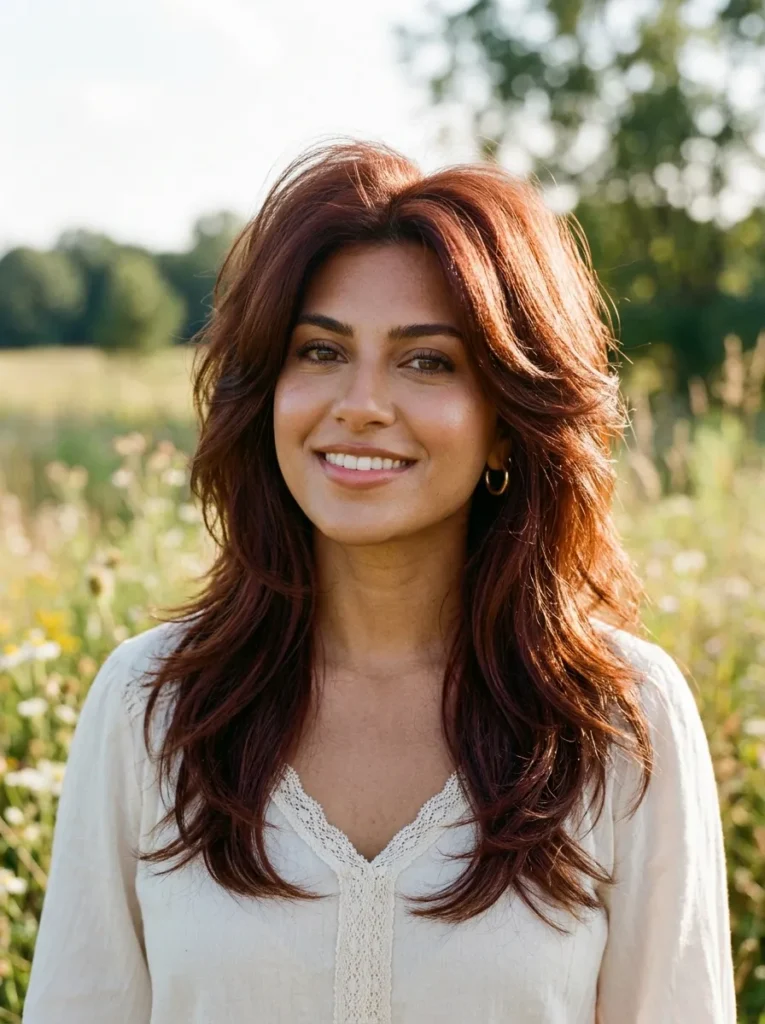
The root lift shag emphasizes crown volume while gradually tapering through the lengths. This cut suits those with fine hair because it creates noticeable height and fullness. Strategic layering near the crown lifts the roots, while the longer layers keep the shape balanced. Blow-dry the crown section upward with a round brush, then set it with a cool shot from the dryer. A volumizing powder at the roots adds grip and helps the lift hold through the day. A root spray applied to damp hair gives extra grip, so the lifted crown holds its height longer.
20. Signature Long Shag
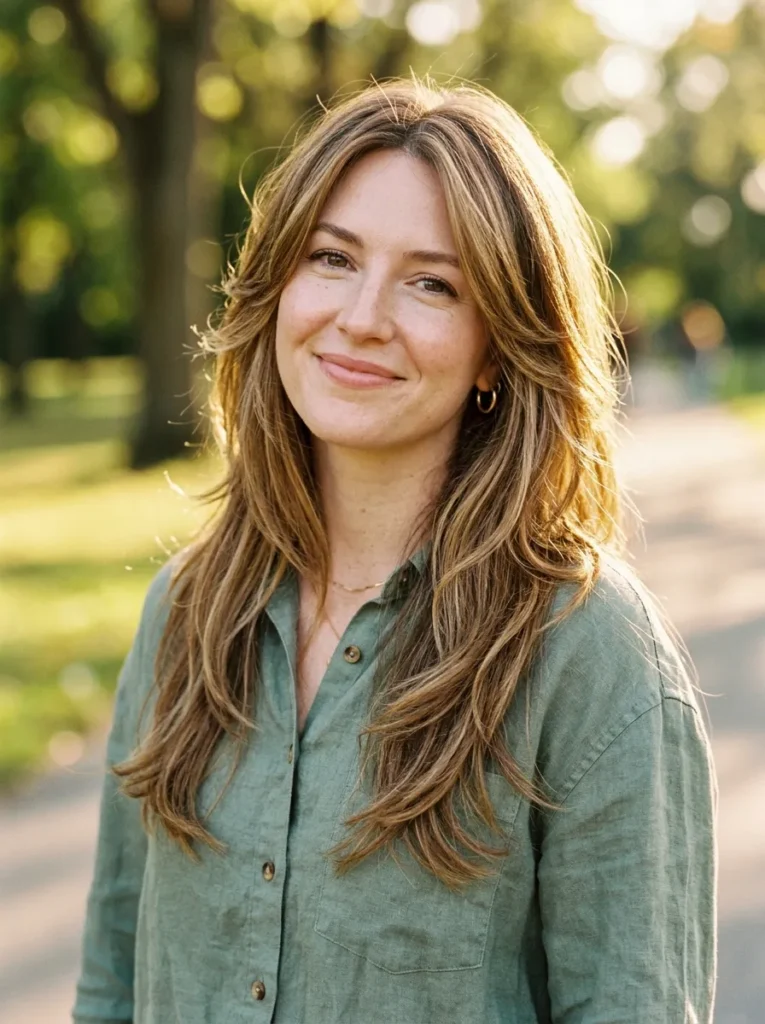
The signature long shag combines everything people love about the trend: long layers, soft feathering, face-framing sections, and effortless movement. It is the most versatile version because it complements various face shapes and hair textures. The cut grows out well, since the layers blend as the hair gets longer. Style it straight for polish, wavy for texture, or air-dried for a relaxed finish. This is the shag to choose when you want one cut that adapts to many moods. The balanced layers also suit most hair textures, which is why stylists recommend this version so often.
What to Tell Your Stylist
Ask for long layers with feathered ends, and explain how much volume you want at the crown, since that balance shapes the whole cut. Mention your natural texture, because wavy, curly, and straight hair each need different layer placement. Bring photos of the exact shag you like, and point out the fringe, the length, and the amount of texture that appeals to you. Ask how the cut will grow out, how often to trim it, and how to style it at home with minimal effort. If you use heat tools often, mention that too, so the stylist can suggest a length that stays healthy. A short discussion before the first cut usually leads to a shag that fits your hair and your routine. Ask for the layers to be cut dry if your hair is wavy, since dry cutting shows the true fall of each layer. Also ask which fringe length suits your face, because the fringe sets the tone for the whole shag.
FAQs
Who looks best with a 70s layered long shag haircut?
A 70s layered long shag works well on almost every face shape and hair texture. The face-framing layers can soften round faces, add balance to heart-shaped faces, and create movement for longer face shapes. Your stylist can adjust the layer length and fringe to suit your features. Thick, fine, wavy, and straight hair can all carry the cut.
Is a long shag haircut high maintenance?
Not at all — one reason this haircut stays popular is that it is relatively easy to maintain. The layers are designed to create natural texture and volume, so most people spend less time styling compared to blunt cuts. Regular trims every eight to ten weeks keep the shape fresh. Air drying works well on many hair types.
Can I get a 70s layered long shag if I have fine hair?
Yes — a layered shag can make fine hair appear thicker by adding lift and movement. The shorter layers around the crown create the illusion of fuller hair, while the longer layers maintain length and softness. Ask for light, blended layers rather than heavy, choppy ones so fine hair does not look thin at the ends.
How often should I trim a layered long shag?
Most people trim a layered long shag every eight to ten weeks. That schedule keeps the layers defined and the ends healthy without losing length quickly. If the ends start to look thin or the shape feels heavy, book a trim sooner. Regular small trims protect the shape better than waiting for a large cut.
What products work best for styling a long shag?
A light mousse or volumizing spray at the roots adds lift, while a texture cream or sea salt spray defines the layers. Use a heat protectant before any hot tools, and finish with a light-hold spray. Avoid heavy oils and thick creams near the roots, since they flatten the volume that makes a shag look lively.
Final Thoughts
These twenty 70s layered long shag hair ideas show why this haircut continues to remain a favorite year after year. The combination of texture, volume, and movement creates a style that feels both timeless and modern. Choose the version that matches your hair texture and styling time, talk it through with your stylist, and enjoy a cut that looks good with very little effort. Book a trim before the layers lose their shape, and the shag will keep its movement for months.
3 Comments