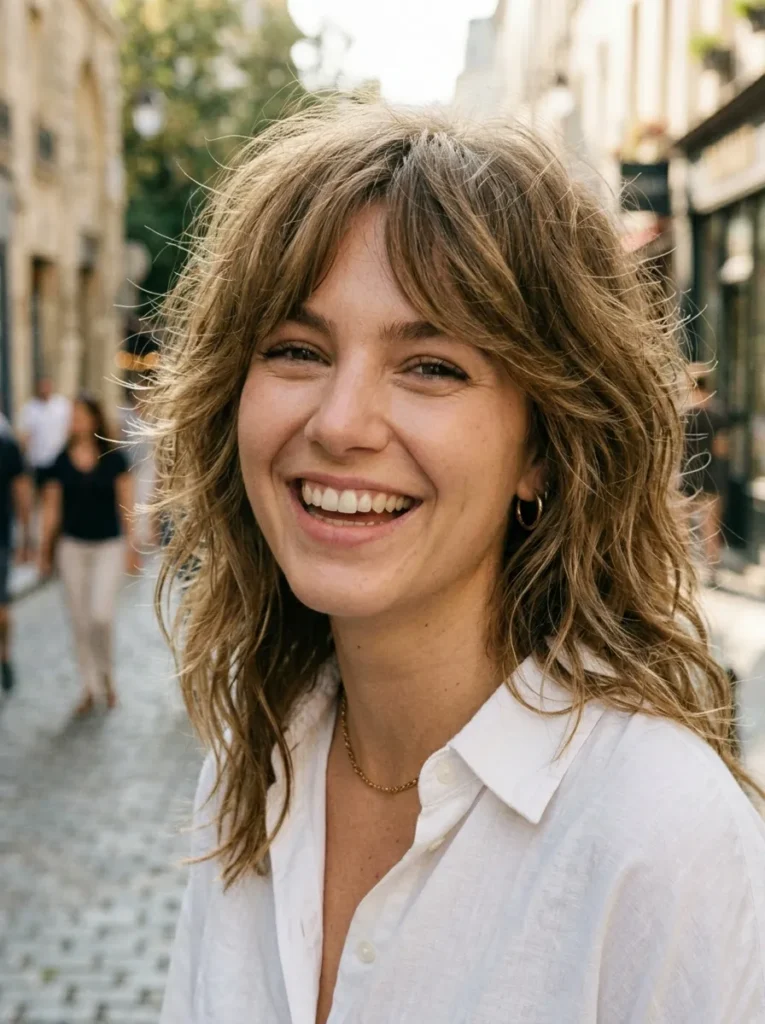
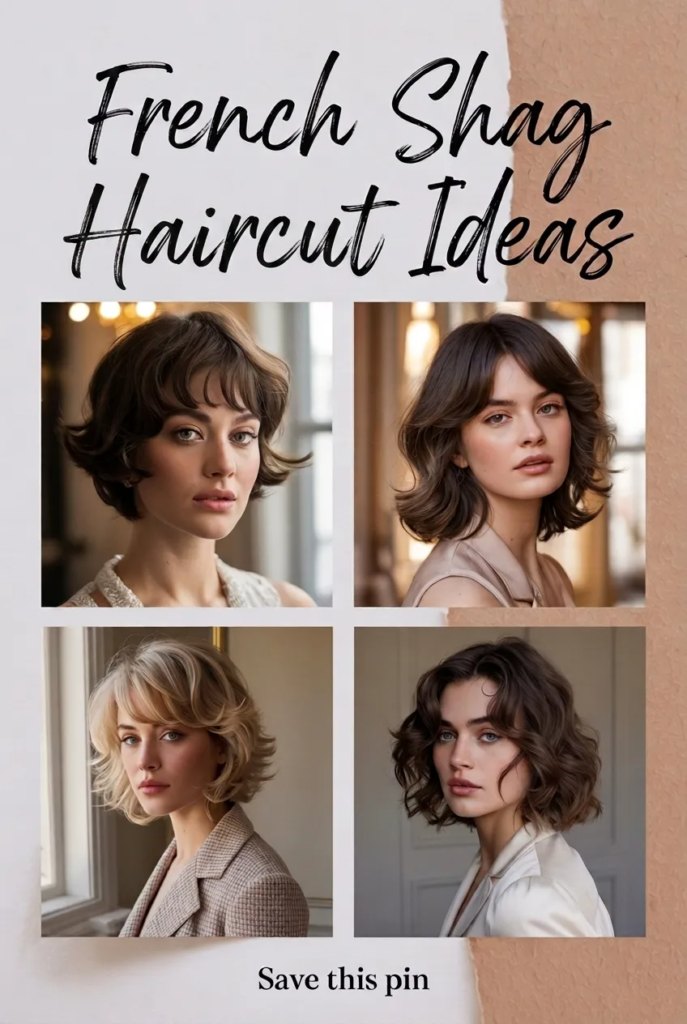
The French shag is a layered haircut with soft texture, face-framing pieces, and natural volume. It carries a relaxed Paris-inspired feeling, so hair looks stylish without appearing overdone, and it works with natural texture instead of fighting against it. Straight, wavy, and curly hair each have a version that suits them, and most variations need very little daily styling. Layers around the crown build volume, while shorter pieces near the face soften the features. The twenty ideas in this collection run from classic and wispy styles to bold statement cuts and glamorous versions, with notes on length, texture, and upkeep for each one. Use them to find a shag that fits the hair already there, and bring a photo to the salon so the layers land exactly where they should.
1. Classic French Shag
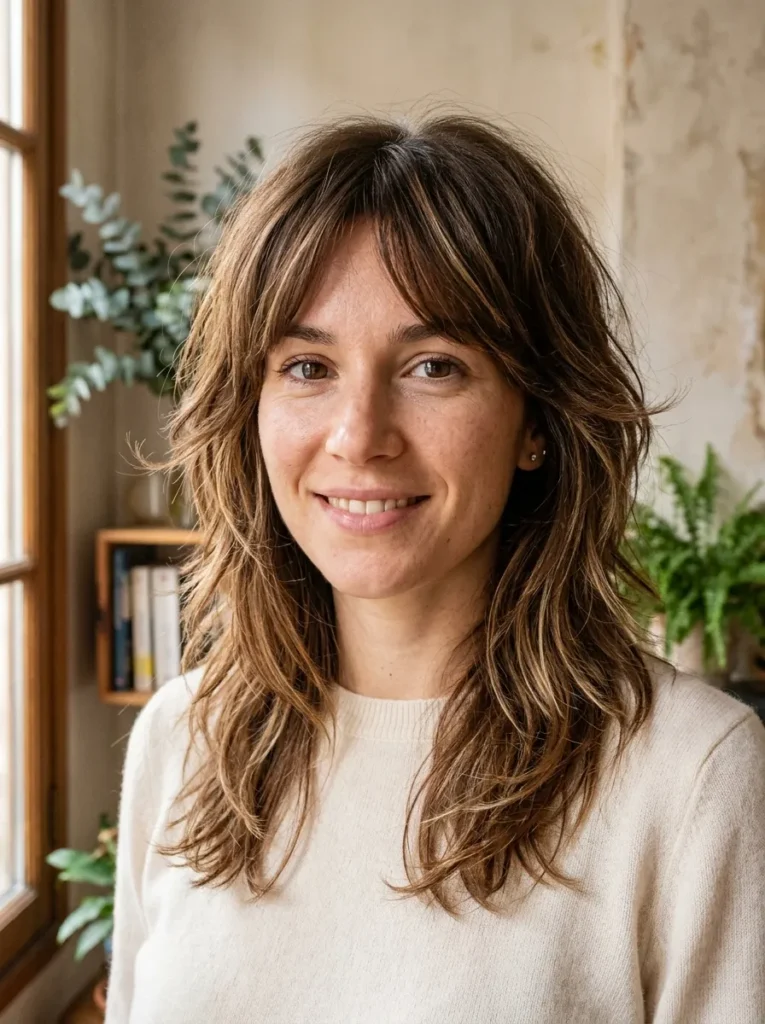
The classic French shag is the perfect mix of relaxed and polished. The layered crown and feathered ends instantly create body while softly framing the face, and the cut gives hair a naturally expensive look even with minimal styling. It works especially well for fine and medium hair textures, since the layers remove excess weight and keep roots lifted longer through the day.
Another strength is the grow-out, which stays graceful because the layers blend as they lengthen, so salon visits can be spaced further apart. A little texturizing spray scrunched through damp hair is usually enough to make the cut look intentionally styled.
2. Textured French Shag

The textured French shag adds extra definition through piecey layers and visible separation. It creates movement that makes hair appear fuller and more dynamic from every angle, and it suits women who want something current without committing to complicated styling routines. A little texturizing spray is usually enough to make the cut look finished.
Dry texture spray at the roots works better than heavy hairspray here, since it keeps the hair soft while maintaining volume. The cut suits straight and wavy textures, and the piecey ends give even fine hair a lively, touchable feel.
3. French Shag with Curtain Bangs
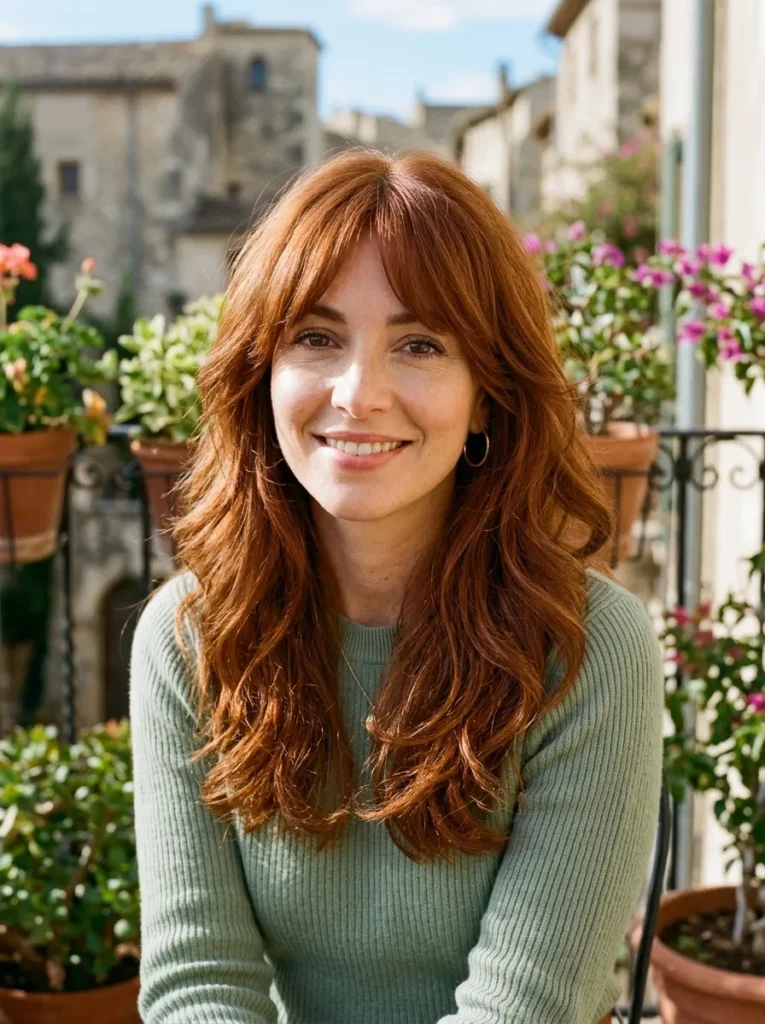
Curtain bangs and shag layers are a natural pairing. The soft bangs blend into the haircut and create a flattering frame around the face, and they suit anyone who wants bangs without the stress of frequent trims. Since curtain bangs grow into the layers, maintenance becomes much easier than with traditional fringe styles.
The parted shape opens up the forehead and draws attention to the eyes and cheekbones. A round brush gives the bangs their soft outward flick, and they can be worn parted in the middle or swept to one side. The look suits oval, round, and heart-shaped faces.
4. Long Layered French Shag
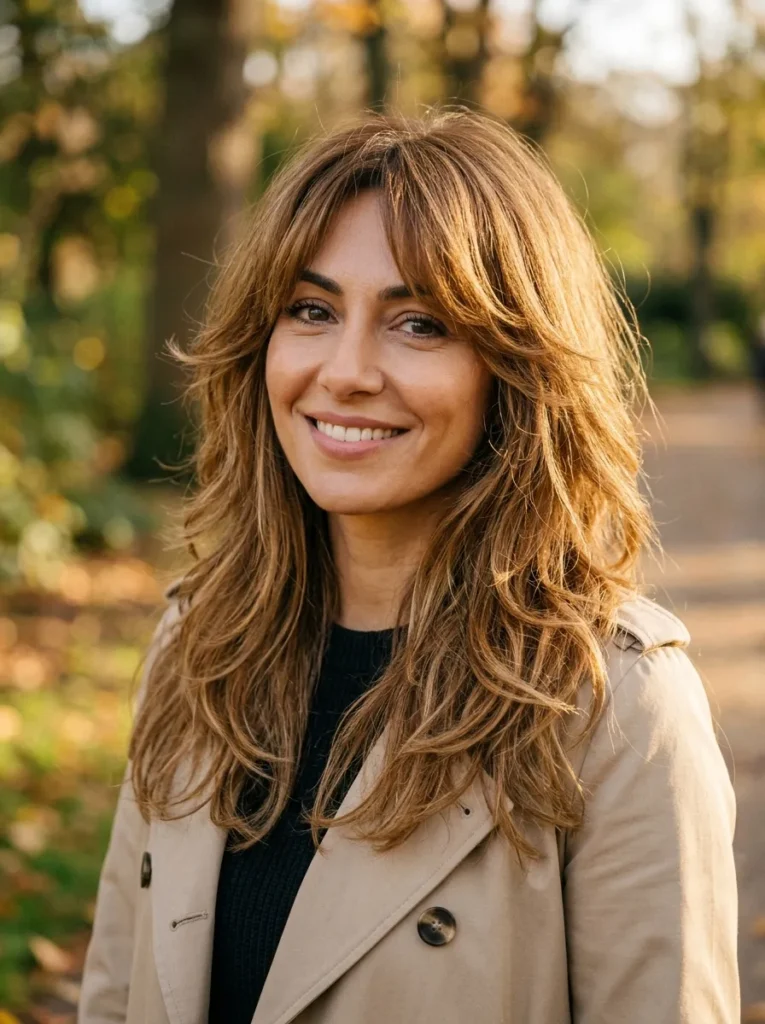
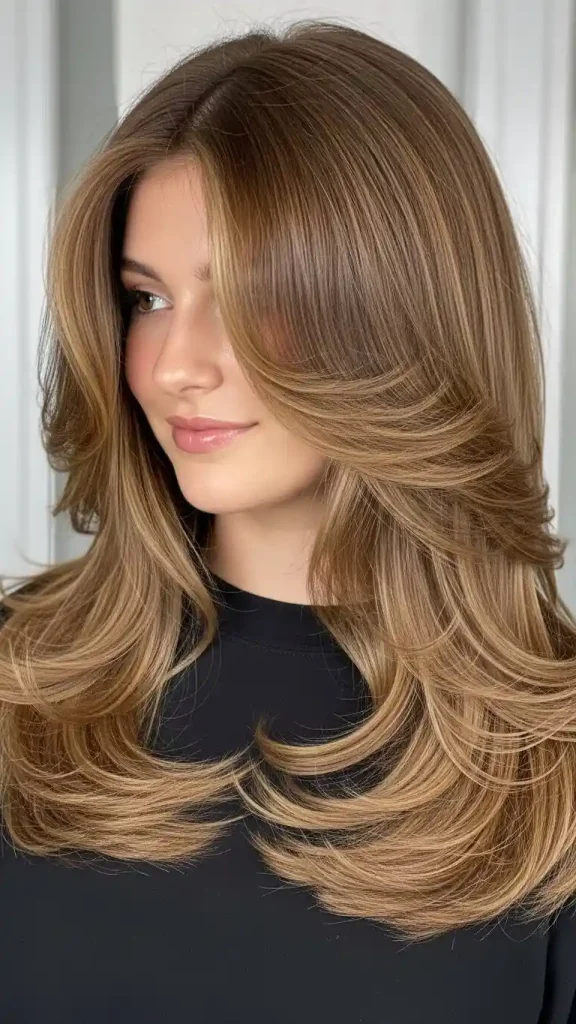
The long layered French shag keeps length while adding movement and shape. Layers starting around the chin or cheekbones create beautiful dimension and prevent long hair from looking heavy, and the style is ideal for anyone who wants a noticeable change without sacrificing inches. It also offers plenty of styling flexibility.
The cut can be worn sleek, softly waved, or air-dried with natural texture. Longer shag shapes appear in long bob haircuts, where layers also keep length light. A wide-tooth comb and a little leave-in conditioner keep the layers smooth.
5. Short French Shag Cut

The short French shag has a modern and confident feel. The cropped layers around the jawline create texture and make the entire look appear fresh and youthful, while the shorter shape highlights facial features and adds softness around the cheeks and neck. It suits women who want a bold change with a short drying time.
Short layered cuts often make hair dry faster, which reduces styling time significantly on busy mornings. A little cream worked through damp hair defines the pieces. Related short layered shapes appear in curly pixie hair ideas, where cropped layers also frame the face.
6. Messy French Shag
The messy French shag embraces imperfect texture in the best possible way. The intentionally tousled layers create that relaxed French-girl appearance many people try to recreate, and the style celebrates natural texture instead of fighting against it. It suits wavy and slightly curly hair especially well.
A little sea salt spray can completely transform the look in minutes, adding grip and separation to the layers. The cut can be scrunched dry for a casual finish or smoothed lightly for a neater day. It grows out well because the tousled shape hides new length.
7. Voluminous French Shag
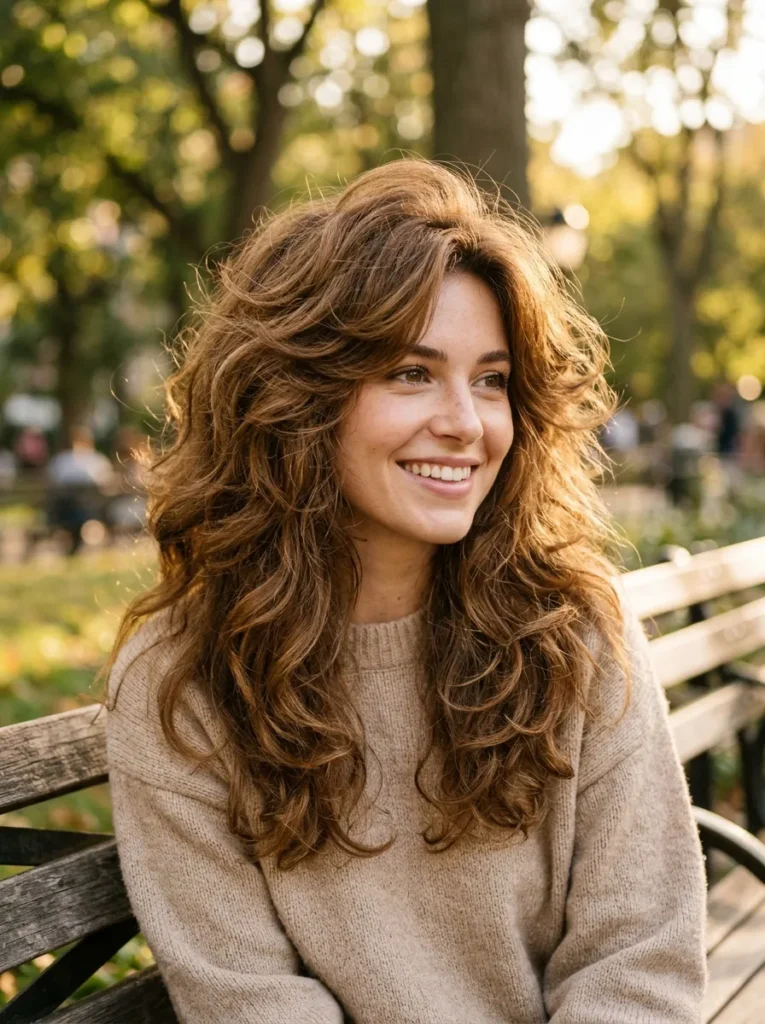
If hair tends to fall flat, the voluminous French shag can make a real difference. Strategic layers around the crown help create fullness and natural lift, and many women with fine hair are surprised by how much thicker their hair appears after this cut. Even simple air-drying often produces impressive volume.
A root-lifting spray and a short blow-dry with the head tilted forward build the lift further. The cut suits fine and medium hair best, and the volume holds through the day without heavy products. It pairs well with soft waves for extra body.
8. Soft Wavy French Shag
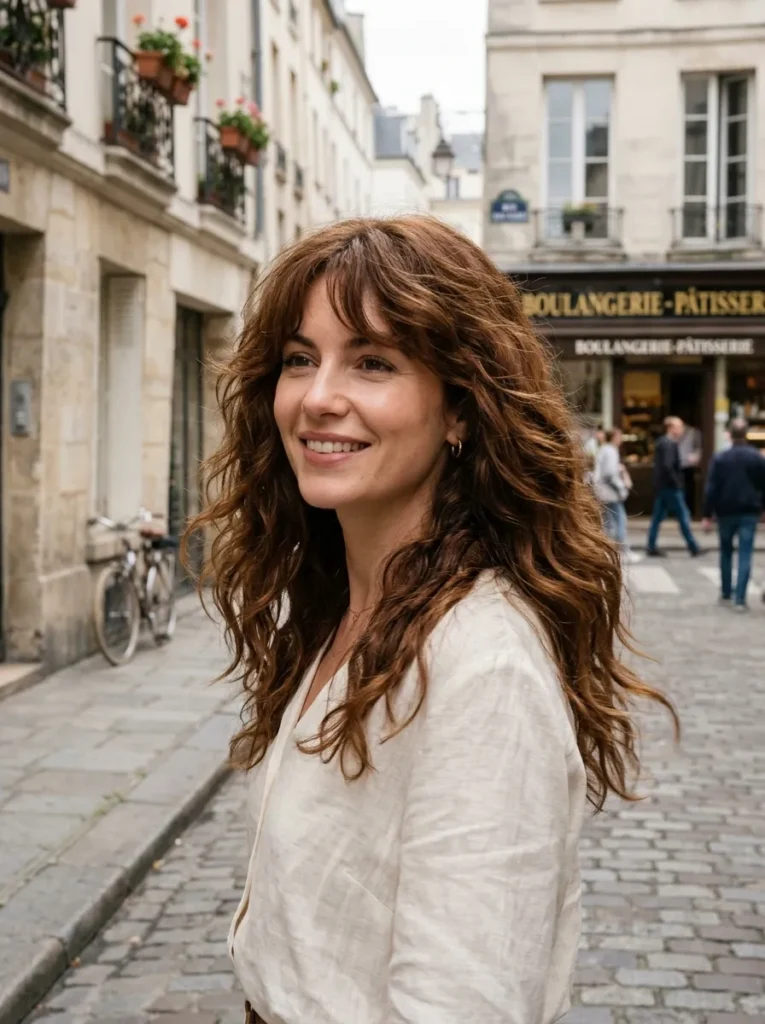
Soft waves and shag layers create a romantic combination that feels both modern and feminine. The waves enhance every layer and add extra movement throughout the hair, and the style works beautifully for both casual and formal occasions. It suits anyone who wants something elegant without looking overly styled.
A large barrel iron shapes loose waves, and damp braids left overnight give a similar soft result. A light serum adds shine without weighing the waves down, and the layers keep the shape from looking heavy. The cut suits medium and long lengths best.
9. Face-Framing French Shag

The face-framing French shag focuses on highlighting the best features. Soft layers around the eyes, cheeks, and jawline create a customized appearance, and the layers can easily be adjusted to complement different face shapes and hair textures. This flexibility is one reason the French shag suits so many people.
Ask the stylist to customize the shortest layers based on cheekbone placement for the most flattering effect. The face-framing pieces can be worn forward for softness or swept back for a cleaner line. The cut works with straight, wavy, and curly textures.
10. Curly French Shag
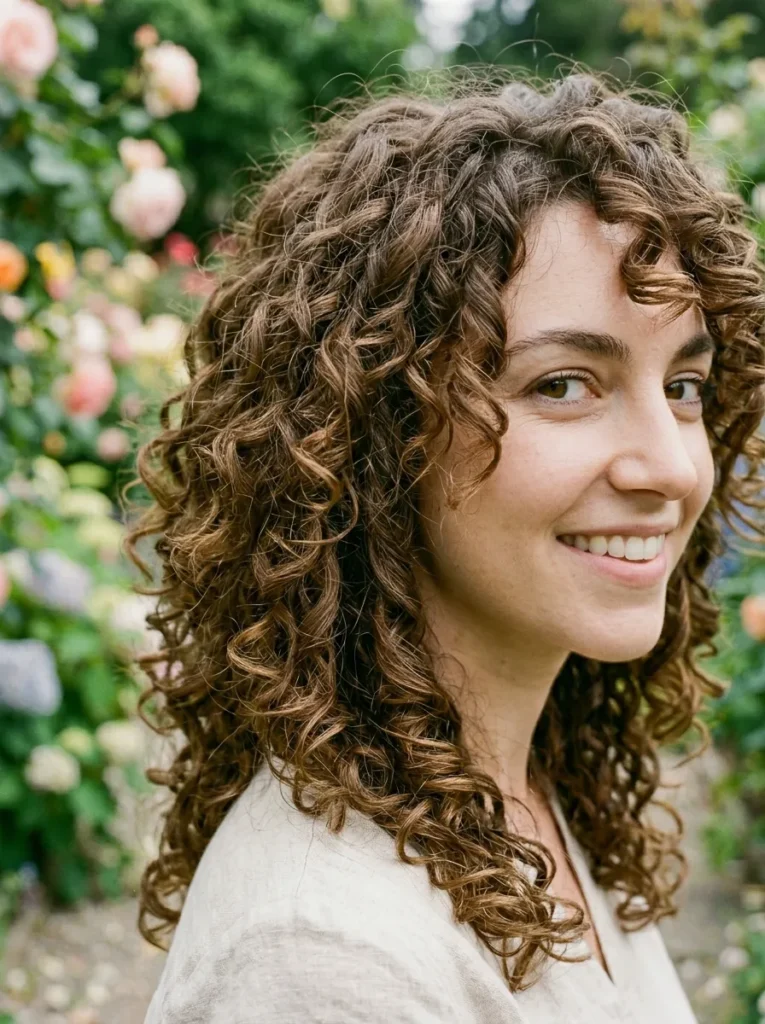
The curly French shag proves that curls and layers can work perfectly together. The haircut removes bulk while encouraging better curl definition and bounce, and it allows natural texture to shine without excessive heaviness. Layering also helps the curls fall in a rounded shape instead of widening at the ends.
Curl cream applied to damp hair and left to air dry keeps curls defined and frizz-free. The cut suits women with natural curl who want volume and movement without length weighing the curls down. A diffuser on low heat adds extra bounce when needed.
11. Wispy French Shag
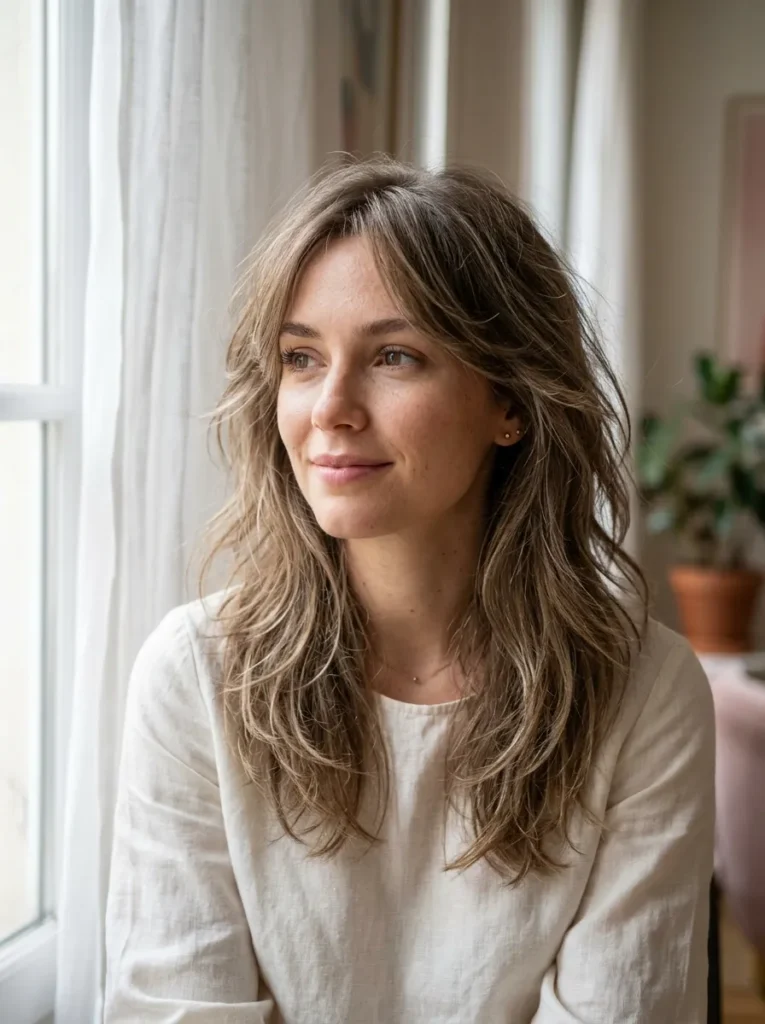
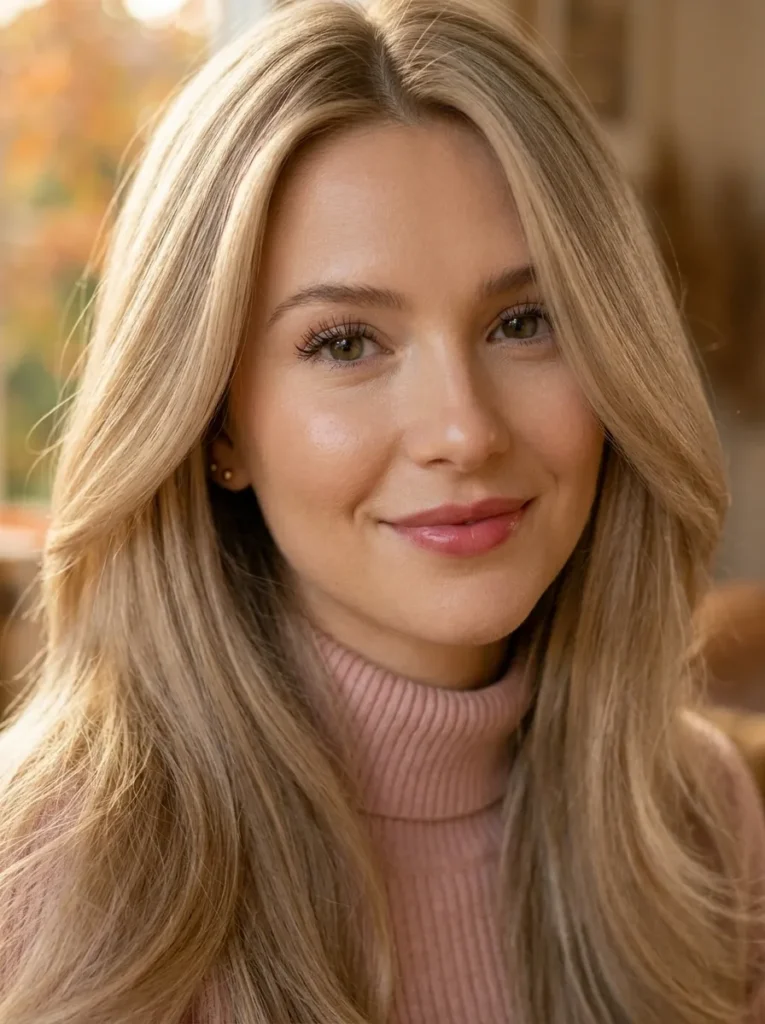
The wispy French shag uses delicate, lightweight layers that create soft movement around the face and shoulders. The version looks airy and youthful, and fine hair especially benefits from the added dimension, while thicker hair gains a lighter appearance. The ends feel feather-light rather than blunt.
The cut suits women who prefer a gentle, understated shape. A dab of smoothing cream controls flyaways, and the wispy ends dry quickly with just the fingers. It pairs well with curtain bangs for extra softness around the forehead, and the light layers keep thick hair feeling airy.
12. Mid Length French Shag

The mid length French shag sits perfectly between short and long hairstyles. The collarbone-grazing length provides versatility while maintaining easy styling, and the cut works equally well for work, weekends, and special events. It suits women who want a balanced haircut without a long commitment.
The length also gathers into a low ponytail or a loose twist when hair needs to stay out of the way. Face-framing layers soften the cheekbones, while the light ends hold a gentle bend. A round brush gives the mid-length shape a smooth, polished finish.
13. Choppy French Shag

The choppy French shag introduces bold texture and visible separation between layers. The result is a hairstyle full of personality and movement, and the variation works particularly well for straight hair because it prevents the cut from looking too flat or lifeless. The choppy ends give even fine hair an edgy finish.
Adding a few loose waves can instantly soften the look for days when a gentler finish is wanted. A texturizing spray defines the choppy pieces, and the cut holds its shape well between appointments. It suits women who enjoy a confident, expressive style.
14. Feathered French Shag

The feathered French shag creates soft, flowing layers that resemble feathers around the face and neckline. The version feels feminine and elegant, and it provides volume without appearing bulky, which suits women who prefer softer hairstyles. The feathered ends keep the shape light and airy.
Lightweight mousse helps maintain feathered movement without weighing down the layers. Drying with a round brush flicks the feathered ends outward for a soft finish. The cut suits straight and wavy hair, and it grows out gracefully because the feathered ends blend as they lengthen.
15. Bouncy French Shag
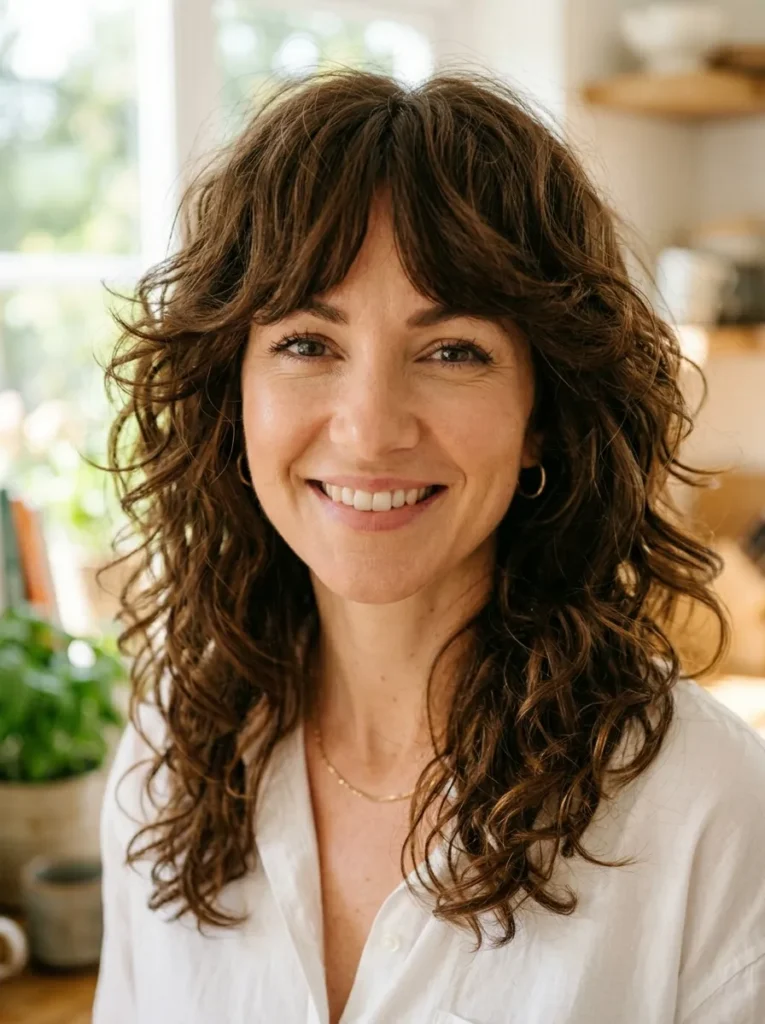
The bouncy French shag focuses on movement and lively volume from root to tip. Strategic layering allows the hair to spring naturally, and if hair often looks limp, this style can make a noticeable difference. Even minimal styling can produce a fuller and healthier appearance.
A round brush and a short blow-dry build the bounce, while a light mist of flexible spray holds the shape without stiffness. The cut suits medium-length hair best, where the layers have enough length to spring. It works for everyday wear and special occasions alike.
16. Modern French Shag

The modern French shag updates the classic cut with cleaner lines and more defined layering techniques. The version combines timeless elegance with current trends, and it feels fresh without being overly dramatic. Another advantage is that it adapts well to different hair textures and requires relatively little maintenance.
The cleaner lines suit women who want a shag that still looks polished at work. More current cut ideas appear in haircut ideas for 2026, where defined layering also updates classic shapes. A smooth blow-dry keeps the modern lines sharp.
17. Glam French Shag

The glam French shag adds extra polish and sophistication to the traditional cut. Face-framing layers and soft waves create a red-carpet-worthy finish, and the version still feels relaxed while offering a more refined appearance. Women with medium and thick hair often love the natural volume this style creates.
The cut suits special occasions, evenings, and celebrations, where a polished finish matters. Warm or cool hair color adds depth to the layers, as shown in fall hair color ideas. A large barrel iron creates the soft, glossy waves.
18. Everyday French Shag
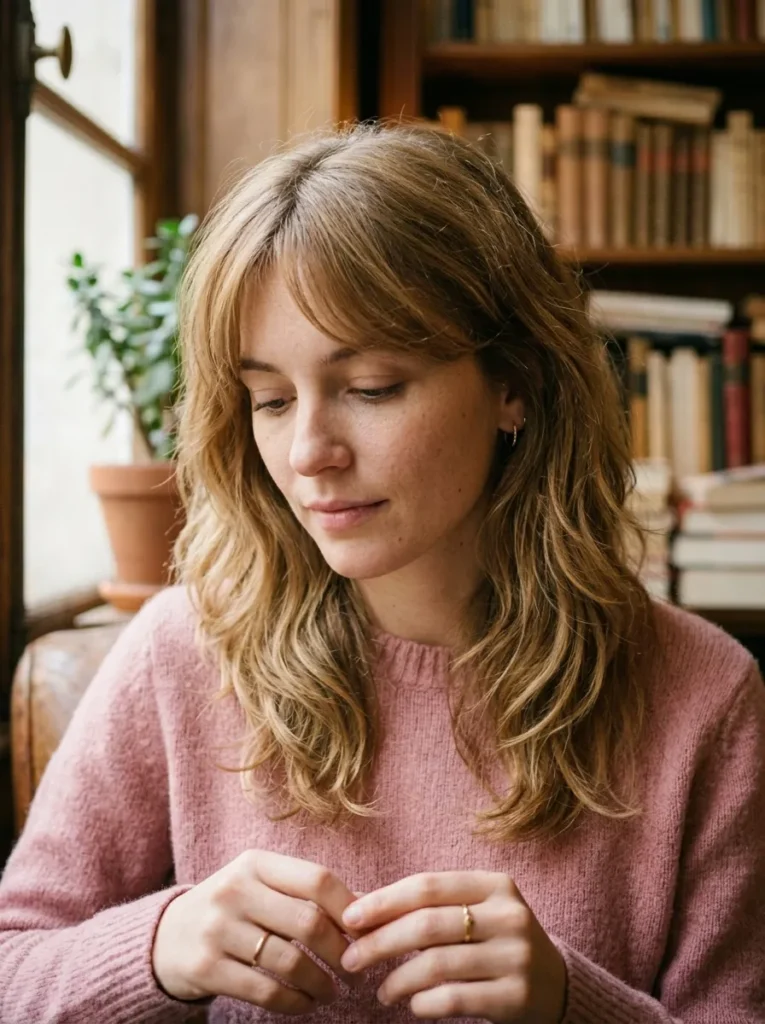
The everyday French shag is designed for simplicity. The layers naturally fall into place, making it ideal for busy lifestyles, and it saves time while still looking chic and intentional. A quick blow-dry or simple air-dry routine is often enough to finish the style.
The cut suits professionals and parents who need a style that works without a long routine. It holds its shape through the day, and the layers can be refreshed with a little dry shampoo at the roots. The grow-out stays soft and wearable.
19. Statement French Shag

The statement French shag is bold, dramatic, and full of personality. Heavier texture and stronger layering make this version stand out instantly, and the cut suits anyone who enjoys expressing themselves through their hair. It photographs beautifully and offers endless styling possibilities.
The strong layers can be worn tousled for a wild finish or smoothed for a sleeker dramatic look. A texturizing spray defines the heavy pieces, and the cut works best on medium to thick hair that can support the strong layering. Regular trims keep the bold shape intentional.
20. Effortless French Shag
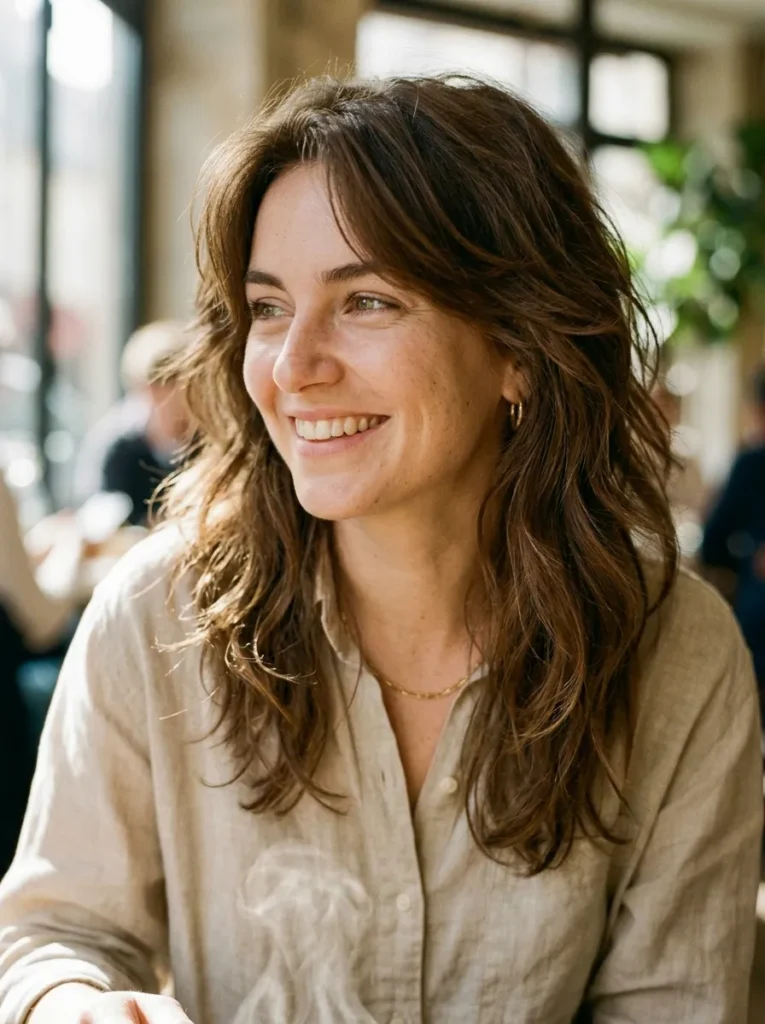
The effortless French shag captures that naturally chic aesthetic many people admire. Soft layers and lived-in texture create a hairstyle that appears stylish without trying too hard, and the cut works with natural texture instead of against it. The result feels authentic, fresh, and incredibly wearable.
The style needs little more than a scrunch of texture spray on damp hair. It suits straight, wavy, and curly textures, and it grows out beautifully because the soft layers blend as they lengthen. It is a strong choice for anyone who wants a low-effort cut that still looks considered.
What to Tell Your Stylist
Bring a photo of the exact shag you want and point out the length first, since a cropped shag, a mid-length shag, and a long layered shag need very different layering. Tell your stylist about your natural texture, including whether it is straight, wavy, or curly, and whether your hair is fine or thick, because that decides how much weight the layers should remove. Mention how much time you want to spend styling each morning and how often you are willing to visit the salon, since that decides between a wash-and-go shape and a more polished version. Ask for the shortest layers to be placed where they flatter your face, and say whether you want curtain bangs or a clean front. Mention any color plans too, since highlights and lowlights can add depth to the layers. Talking it through before the first cut avoids growing out a shape that never fitted daily life.
FAQs
Is a French shag haircut good for thin hair?
Yes, the French shag is one of the best haircuts for thin or fine hair. The layers create natural movement and make the hair appear fuller and more voluminous, and strategic layering around the crown can also help lift flat roots. The cut works best when the layers are kept light rather than over-thinned.
What face shape suits a French shag haircut?
The French shag works well on almost every face shape because it can be customized. Curtain bangs and face-framing layers look beautiful on round and heart-shaped faces, while longer layers can soften square face shapes. The stylist can adjust the shortest layer to suit the cheekbones and jawline.
Is the French shag a high-maintenance haircut?
No, most French shag styles look great with minimal styling and even air-dried hair. The layers fall into place naturally, and the grow-out stays soft. Regular trims every eight to twelve weeks are usually enough to keep the shape looking fresh and intentional.
Can a French shag work on straight hair?
Yes, a French shag can work beautifully on straight hair. Choppy and textured layers add movement that stops straight hair from looking flat, and a little texturizing spray gives the pieces separation. The cut suits straight hair best when the layers are kept visible rather than blended away.
What products help a French shag hold its shape?
A light texturizing spray, a root-lifting spray, and a flexible-hold hairspray cover most needs. Texturizing spray defines the layers, root spray adds lift at the crown, and a light hairspray holds the shape without stiffness. Heavy creams and oils should be used sparingly, since they can weigh the layers down.
Final Thoughts
The French shag continues to be one of the most versatile and flattering haircuts available today. From soft wispy layers to dramatic statement styles, there is truly a version for everyone, and the cut offers movement, volume, and sophistication without demanding hours of styling. Choose a length that fits daily life, ask the stylist to shape the layers around the face, and let the natural texture do most of the work. A good shag should feel easy every morning, not only on salon day.

3 Comments