
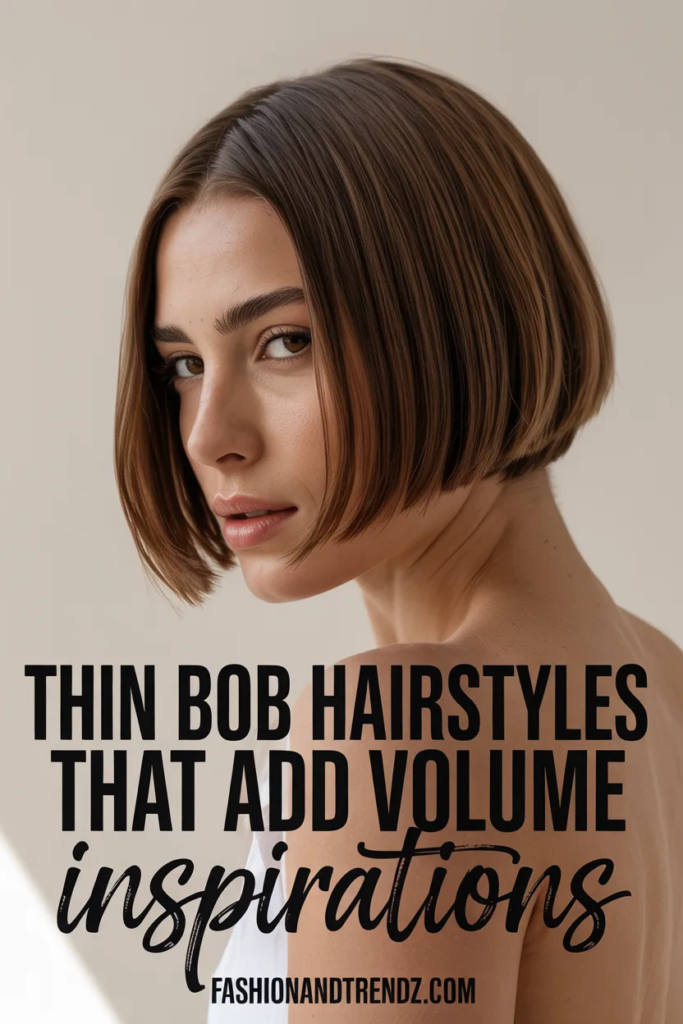
When I started dealing with thin hair, I realized that the haircut I choose makes a huge difference. A bob, in my experience, is one of the easiest ways to make fine hair look fuller without spending hours styling it. The right shape, layers, and styling tricks can instantly boost volume and make my hair feel thicker, while the wrong cut can leave the ends looking wispy and flat. In this guide, I am sharing 10 bob hairstyles below that I have found work really well for thin hair. Each style focuses on adding volume, movement, or structure so my hair does not fall flat, and I also use simple styling habits like lightweight products and proper blow-drying, which many stylists say can noticeably improve volume. If your hair is fine and flat, these ideas will help you find a bob that looks full from every angle.
1. Blunt Bob with Clean Ends
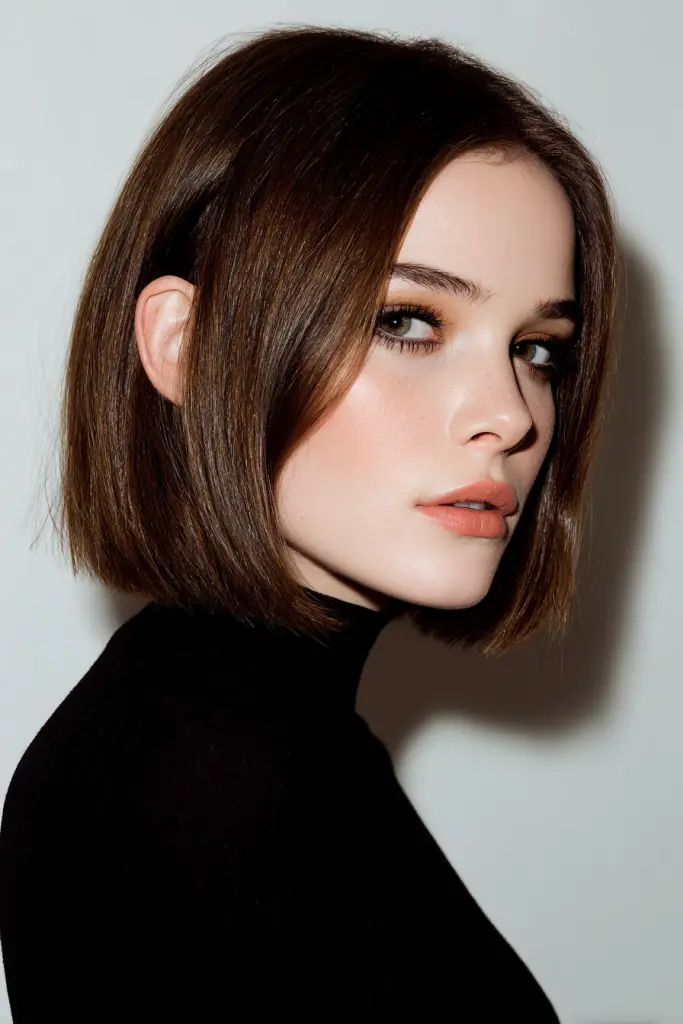
I have noticed that a blunt bob gives my hair the strongest illusion of thickness, because when the ends are cut straight and even, my hair instantly looks denser and healthier. Keeping the length around my chin or jawline works best, since that length gives structure and avoids thin-looking ends that taper away. I avoid thinning scissors with this cut because they remove weight from the ends and reduce volume exactly where thin hair needs it most. For daily styling, I blow-dry with a round brush and finish with a light serum on the ends only, which keeps the blunt line sharp.
2. Layered Bob with Soft Movement
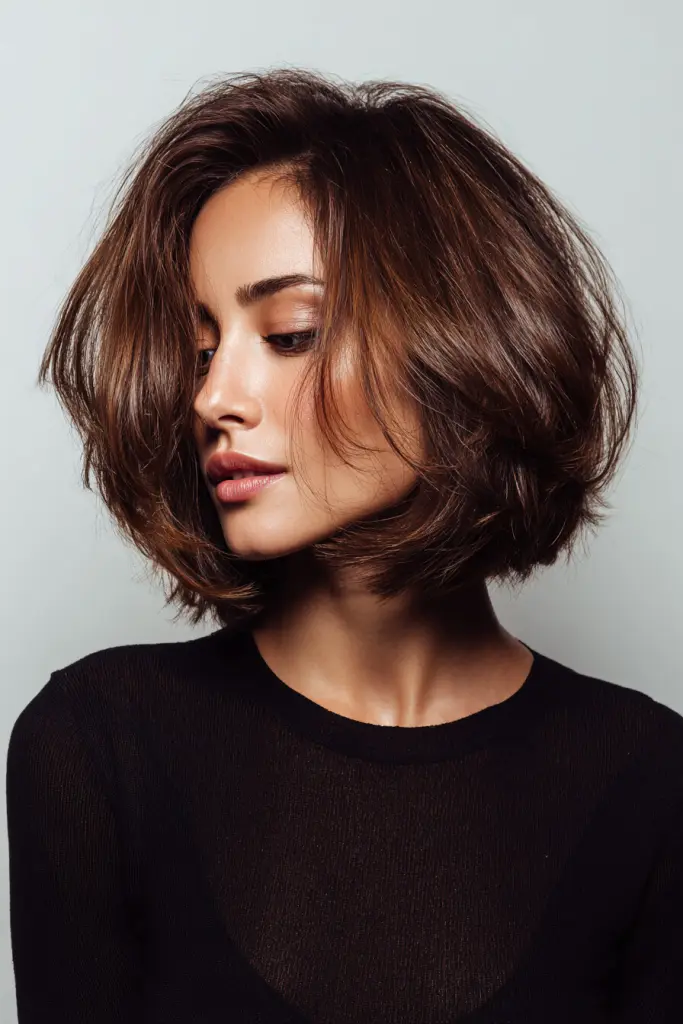
I used to avoid layers, but soft layers actually work well for me when they stay light and subtle. The key is keeping them long and blended, so they add movement without removing too much weight from the ends. This style gives my hair a natural bounce without making it look empty, and it also makes my daily styling easier because the layers fall into place with very little effort. A pea-sized amount of lightweight mousse at the roots adds lift, and I never use heavy creams that flatten fine hair. The layers also help the bob grow out gracefully without losing shape.
3. Textured Bob with Side Part
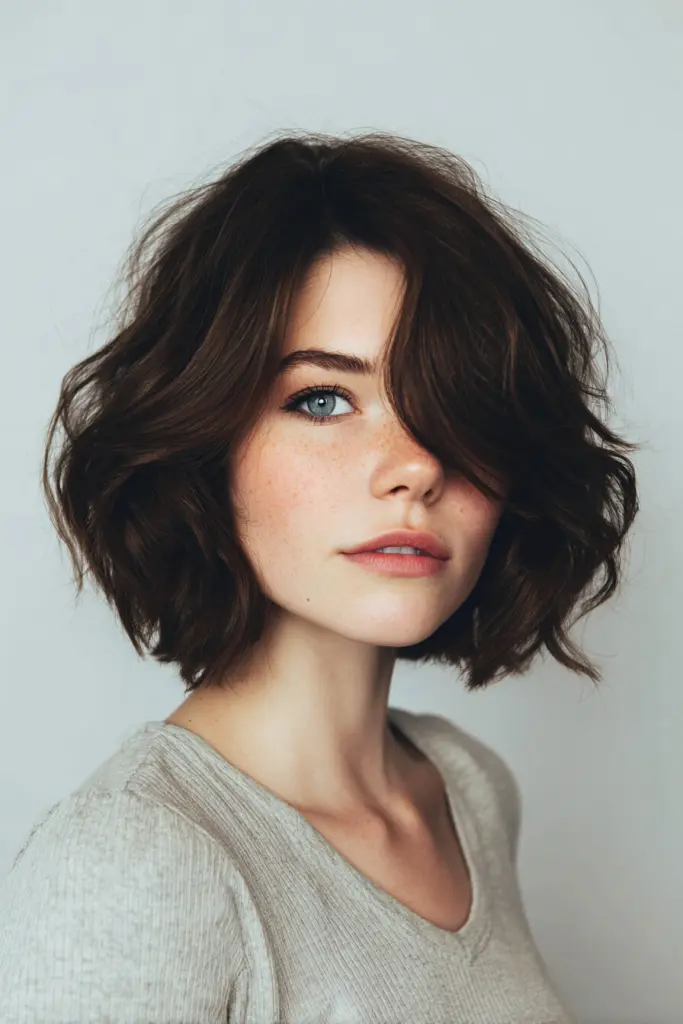
Switching to a side part made a big difference for me, because it lifts my roots and adds instant volume on the heavier side. When I add light texture, my hair looks fuller and more styled without much effort, and the texture stops the bob from sitting flat against my head. I change my part from time to time to keep my roots from going flat in one spot, which also trains the hair to lift in different directions. A texturizing spray worked through the mid-lengths gives grip and separation, and I scrunch the ends gently while blow-drying to build soft texture.
4. Short Bob with Volume at the Crown

Adding volume at the crown changed my overall look, because a shorter bob with light layers on top helps create lift exactly where thin hair tends to fall flat. This keeps my hair from sticking flat and gives it an airy feel. I blow-dry the crown section upward with a round brush, then set it with a cool shot from the dryer so the lift holds. A root-lifting spray applied to damp hair before drying adds even more height. For more length options with the same lift, these medium length hairstyles show how crown volume works beyond bob length.
5. Wavy Bob for Thin Hair
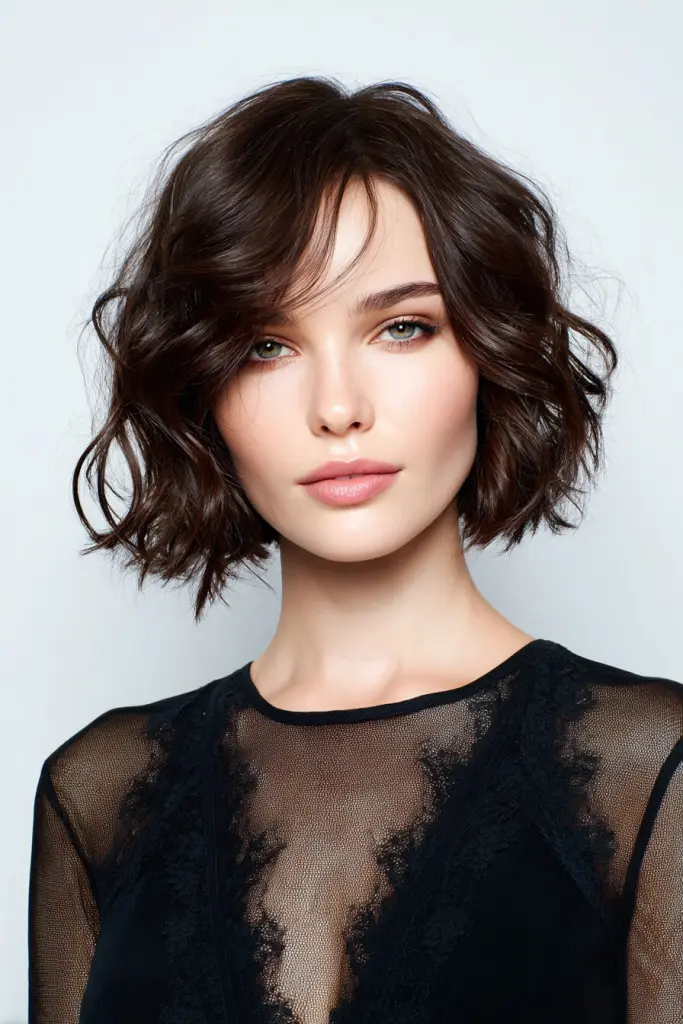
Whenever my hair feels flat, I go for soft waves, because this is one of the easiest ways I add volume without a complicated routine. Even loose waves give my hair more dimension and make it look thicker, since the bends catch light and create the appearance of depth. I use low heat and loose curls to protect my thin hair, leaving the ends straight for a modern finish. A sea salt spray adds grip and texture, and I shake the waves out gently with my fingers instead of brushing. This style suits everyday wear, evenings out, and occasions when I want volume fast.
6. Asymmetrical Bob

I like this style when I want something different, because the uneven length shifts attention away from thinness and toward the shape of the cut. One side sits longer, usually at the jaw or just below, while the other side stays shorter, which creates a modern line that reads as intentional rather than uneven. It gives my hair a more modern and fuller appearance, since the longer side carries visual weight and the shorter side adds structure. It suits oval and round faces well. I style it sleek for a sharp finish or add a slight wave for softness, and regular trims keep the asymmetry crisp.
7. Bob with Curtain Bangs

Curtain bangs worked really well for me, because they add volume around my face without removing too much hair from the rest of the cut. They blend smoothly into the bob and make my hair look softer and fuller, since the face-framing pieces draw the eye to the cheekbones instead of the scalp. I ask for bangs that start at the cheekbone and taper longer toward the sides. I blow-dry them with a round brush, sweeping each side outward for that curved curtain shape. A tiny amount of dry shampoo at the roots keeps the bangs from going flat by midday.
8. Choppy Bob with Texture
A choppy bob gives my hair more movement, because the uneven texture helps avoid a flat look and creates the appearance of thickness through the ends. I usually use a light texturizing spray to keep it looking fresh and full, working it through damp hair before blow-drying. The choppy ends suit a slightly undone finish, so I do not aim for perfect smoothness and instead let the pieces fall naturally. This cut works well for casual days, and it grows out gracefully since the uneven ends hide regrowth. I trim every six weeks to keep the shape from turning shaggy.
9. Inverted Bob
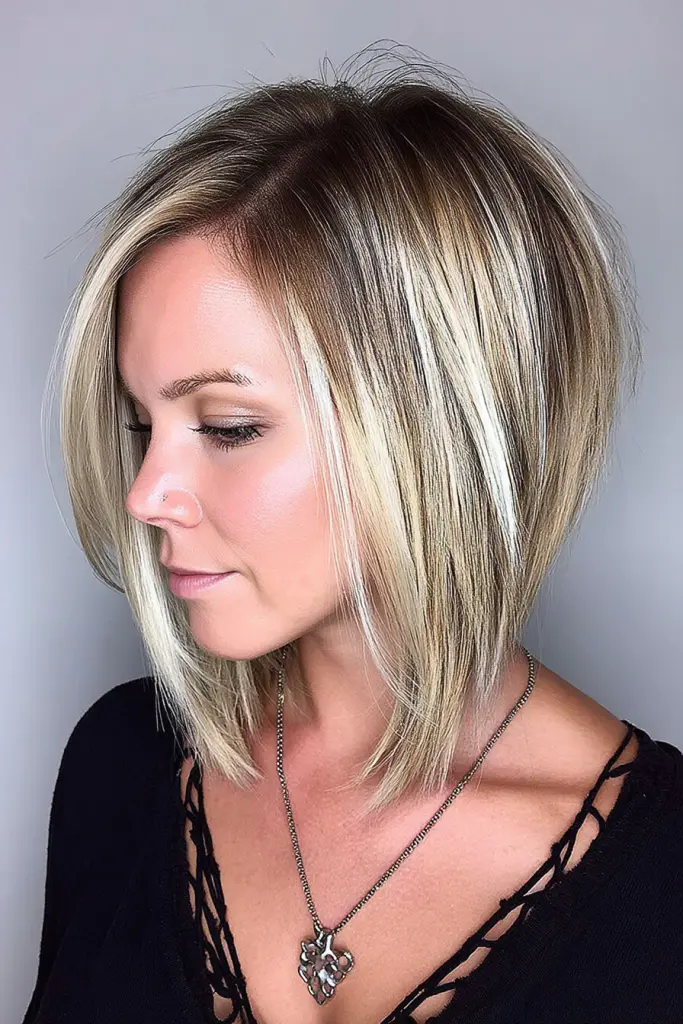
This cut adds natural volume where I need it most, because the shorter back and longer front create a fuller shape that lifts the crown and frames the face. It also makes my hair look more structured and thick, since the stacked layers at the back build height without needing heavy styling. I blow-dry the back sections upward with a round brush to show off the stacked shape, and I smooth the front pieces with a flat iron for a clean line. The inverted bob suits work settings and formal occasions, and it works especially well for straight or slightly wavy hair that holds the angled shape.
10. Sleek Bob with Deep Side Part
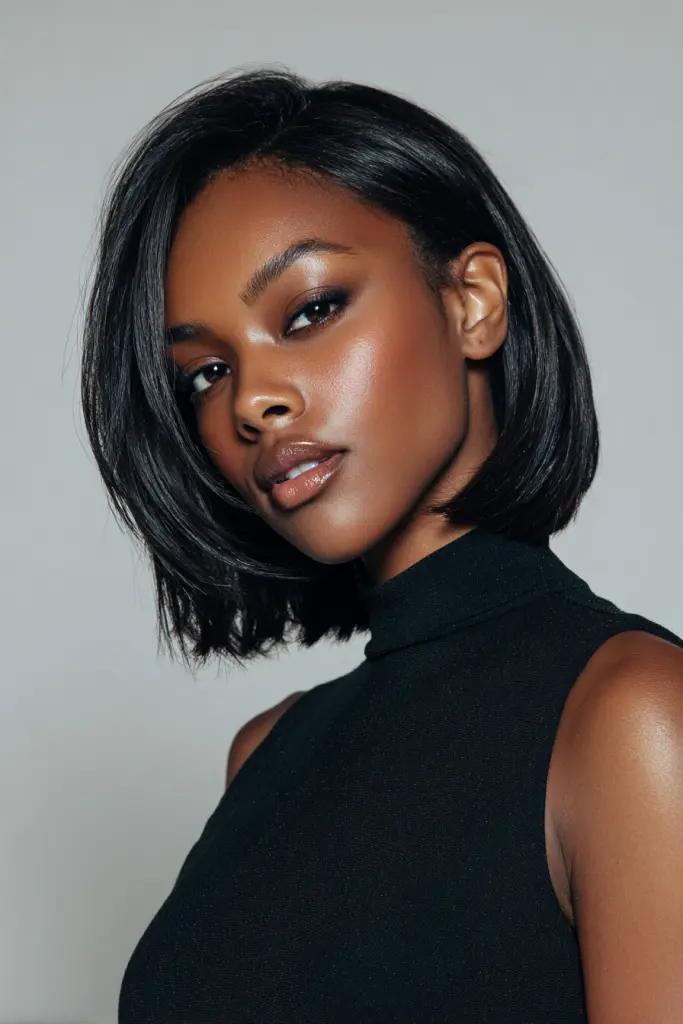
Even with a sleek look, I can still create volume by using a deep side part, because it lifts my roots while keeping the style clean and polished. I prefer this when I want something simple but put-together, such as a work meeting or an evening event where a smooth finish feels right. I apply volumizing mousse at the roots before blow-drying. A shine spray on the ends adds a healthy glow without greasiness, and the deep part keeps the style from looking severe. For more polished blowout ideas, these fashionable blowout hairstyles show how a smooth finish can still carry volume.
What to Tell Your Stylist
Tell your stylist that your hair is thin before discussing any cut, because thin hair needs different layering and texturizing than thick hair. Ask for blunt ends or very light layers, and say clearly that you do not want thinning scissors, since they remove the weight that makes thin hair look full. Bring photos of the exact bob you want, including the length at the front and the back, because a bob changes completely with a few centimeters. Mention how much time you spend styling each morning, so your stylist can choose a cut that works with your routine instead of against it. Ask about the grow-out plan too, because a good bob should still look neat four weeks after the cut, not just on day one. If you like braided texture with a bob, these braided bob hairstyles show how plaits can add fullness to shorter lengths. Finally, ask which lightweight products suit your hair, because heavy creams and oils flatten thin hair fast, while mousses and root sprays add lift.
FAQs
1. Which bob haircut makes my thin hair look thicker?
I have found that a blunt bob works best for making my hair look thicker. The straight, even ends create a fuller appearance and avoid that thin, wispy look that tapered ends can give. I keep the length at the chin or jawline, since that length holds the most weight. A blunt cut also styles faster, because the even ends fall into place with one pass of the brush.
2. How do I add volume to my thin bob hair daily?
I usually add volume by using a side part, blow-drying with a round brush, and applying a lightweight volumizing product. Even small changes like these make a noticeable difference, and I also change my part often so the roots do not go flat. A quick blast of cool air at the end sets the lift, and a light texturizing spray through the mid-lengths keeps the volume going until evening.
3. Are layers good or bad for my thin bob hair?
In my experience, light layers are helpful, but heavy layering can make my hair look thinner. I always go for soft, subtle layers that add movement without removing weight from the ends. I also ask my stylist to avoid thinning scissors, since they take away the fullness that thin hair needs most. When layers are cut well, they should blend so smoothly that you notice the movement, not the layers.
4. How often should I trim my thin bob?
I trim my bob every six to eight weeks to keep the ends looking thick and healthy. Thin hair shows split ends quickly, and even a small trim restores the blunt line that makes the cut look full. Waiting too long lets the ends taper, which makes the whole style look thinner than it is. I book the next trim, so the shape never gets the chance to grow out.
5. Can I wear a bob with bangs if my hair is thin?
Yes, curtain bangs work well with thin hair because they add softness around the face without removing much hair from the rest of the cut. I keep the bangs long and blended, and I style them with a round brush so they curve away from the face. For more bob variations, these short bob hairstyles for Black women show how bangs and texture can work on shorter lengths.
Final Thoughts
Thin hair does not limit my options, because I have learned that the right bob haircut can completely change how my hair looks. With the right cut and simple styling, I can keep my hair looking full without too much effort. The key is choosing blunt ends, light layers, and a part that lifts the roots, then keeping up with regular trims so the shape stays sharp. Try one style from this list first, and adjust the part and the products until the volume lasts all day. Small changes make the biggest difference here, every single day.






6 Comments