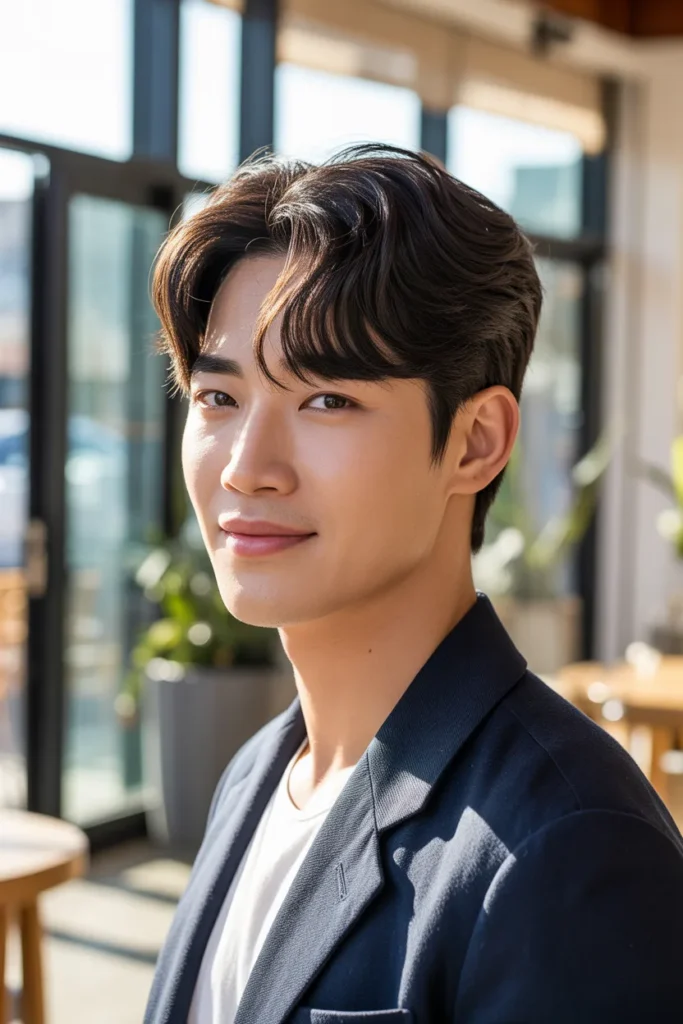
20 Korean Hairstyles for Men You’ll Want to Copy Now
Korean hairstyles for men have become some of the most requested haircuts in salons around the world, and I completely understand why. Korean fashion and grooming trends focus on clean lines, natural texture, and hairstyles that enhance facial features rather than overpower them. Whether I want something professional, trendy, or creative, there is always a Korean-inspired hairstyle that fits the occasion.
Save This For Later
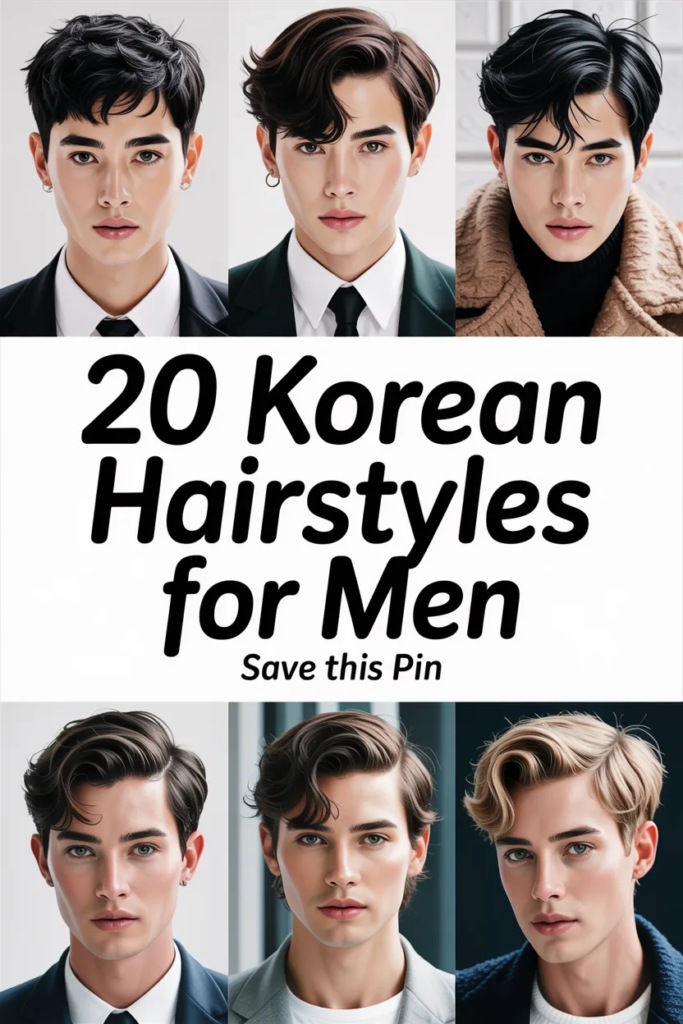
This guide covers 20 of the most popular Korean hairstyles for men, from timeless two-block cuts and curtain bangs to modern perms, textured crops, bold color transformations, and creative updos. I share who each style works best for, how to maintain it, and practical styling tips that can help anyone choose a haircut that matches their face shape, lifestyle, and personal style.
Key Takeaways
- Korean hairstyles focus on natural texture, volume, and face-framing shapes.
- The two-block haircut remains one of the most popular Korean men’s hairstyles.
- Curtain bangs and middle parts create a youthful and balanced appearance.
- Korean perms add volume and movement without looking overly curly.
- Regular trims and quality hair products help maintain most Korean hairstyles.
- Hair color trends like ash gray and blonde continue to dominate K-fashion.
- Face shape and hair texture play a major role in choosing the right style.
Related Article: Effortless 70s Layered Long Shag Hair
1. Two-Block Haircut – The King of Korean Hairstyles for Men
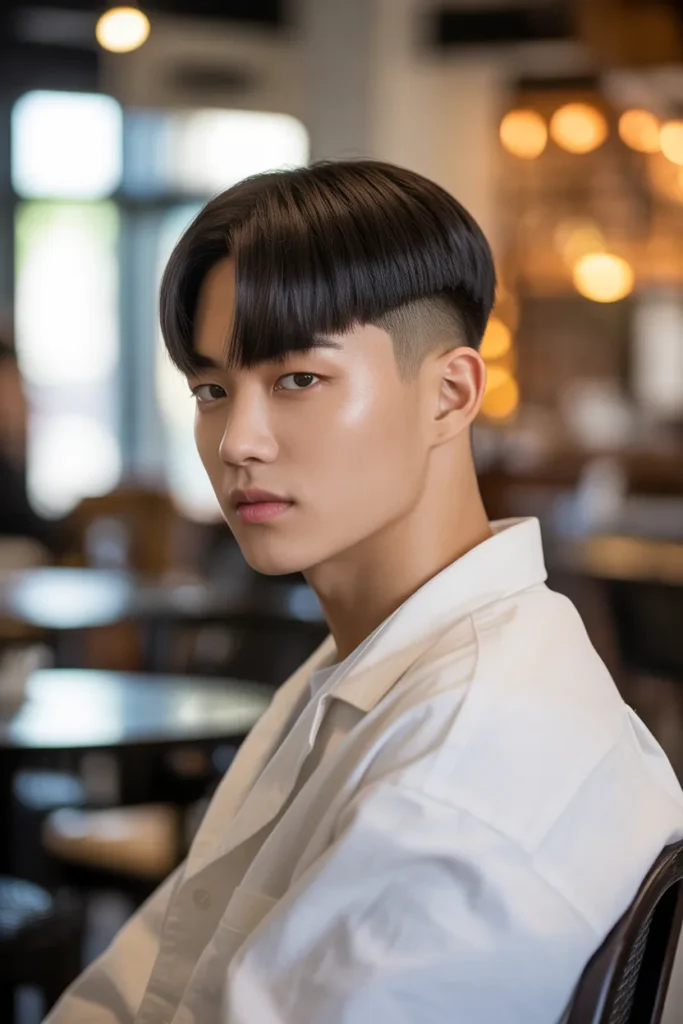
The two-block haircut remains one of my favorite Korean hairstyles because it works on almost everyone. The sides and back stay short while the top remains longer, creating a clean contrast that instantly looks modern and stylish.
What I like most about this haircut is its flexibility. I can wear it neatly for work or add texture for a relaxed look. Industry surveys from Asian grooming brands consistently place the two-block cut among the most requested men’s hairstyles in Korea.
Pro Tip: Ask your barber to leave enough length on top so you can experiment with center parts, side parts, or textured styling.
2. Curtain Bangs – A Soft and Romantic Korean Hairstyle for Men
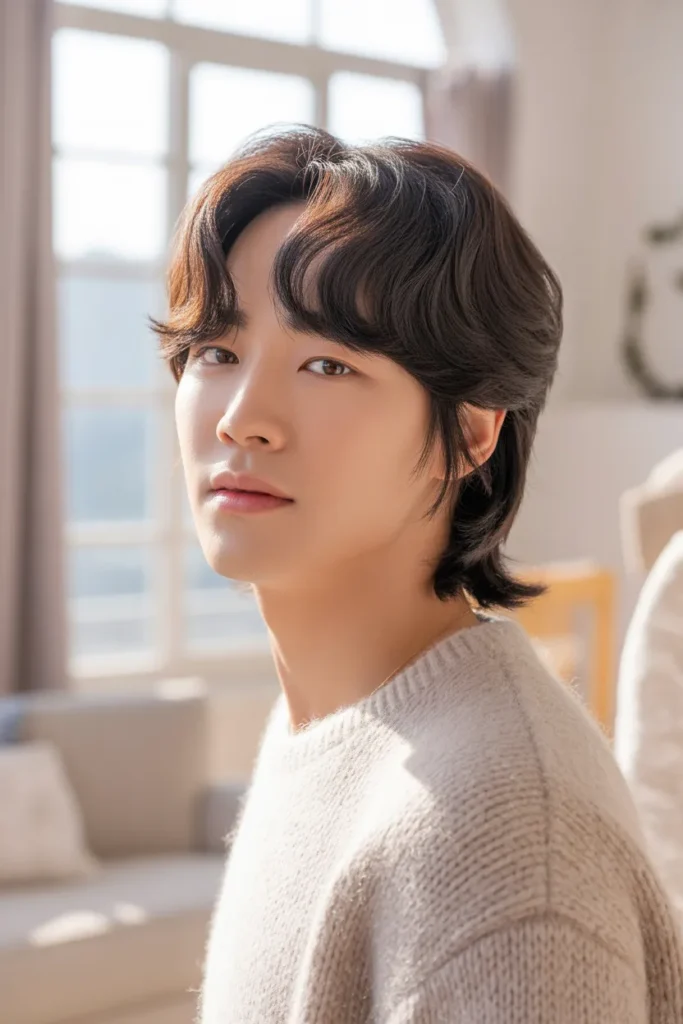
Curtain bangs create a soft frame around the face and give off a youthful appearance. This hairstyle has become especially popular thanks to Korean actors and musicians who frequently wear it on screen and during public appearances.
I find that curtain bangs work especially well for men who want to soften strong facial angles. A quick blow-dry and light styling cream are usually enough to maintain the look throughout the day.
3. Perm Hair – The Textured Revolution in Korean Hairstyles for Men
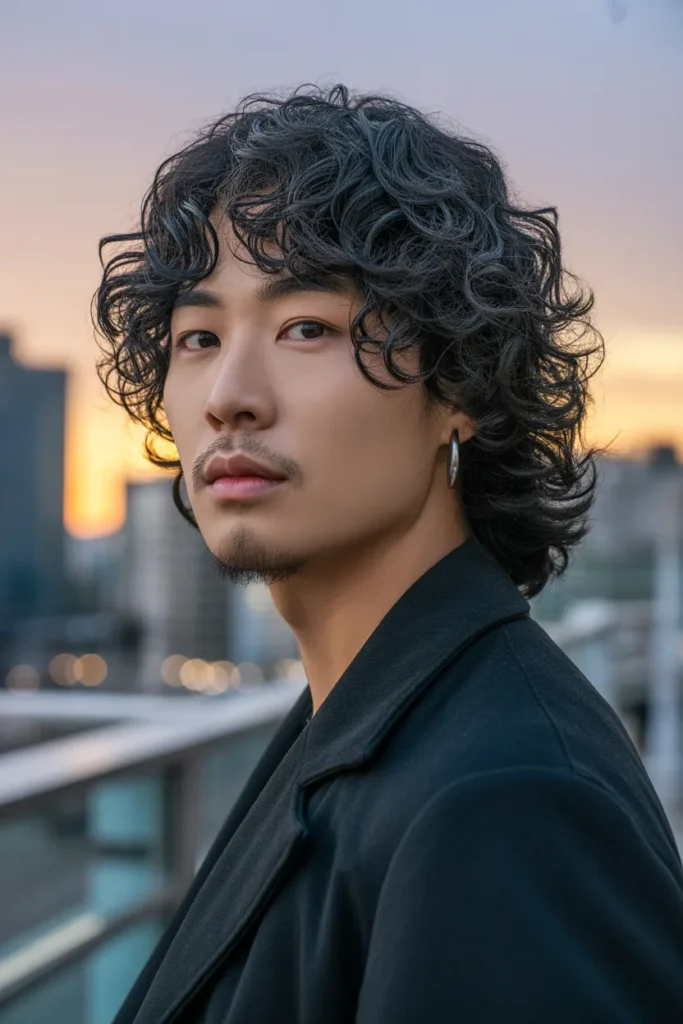
Korean perms have completely changed how many men approach hairstyling. Instead of tight curls, these perms create gentle waves that add movement and volume without looking unnatural.
Many men choose a volume perm because it makes styling easier every morning. Studies in the beauty industry show that textured hairstyles often create the appearance of thicker, fuller hair, making perms especially popular among men with naturally flat hair.
Pro Tip: Use sulfate-free shampoo after a perm to help preserve the texture and keep hair healthier for longer.
4. Middle Part Straight Hair – Clean and Effortless Korean Hairstyle for Men
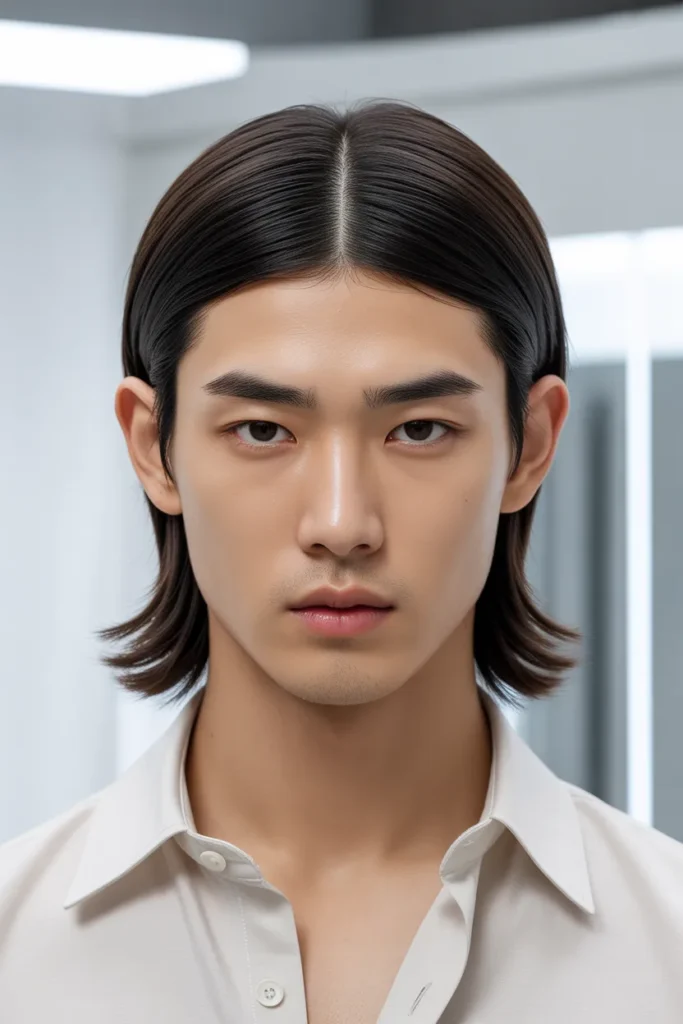
The middle part hairstyle represents simple and clean Korean fashion. I like how it creates symmetry and allows natural hair texture to become the main focus.
This style looks best when the hair is healthy and regularly trimmed. A lightweight shine serum can help maintain a polished appearance while keeping the hairstyle looking natural rather than overly styled.
5. Wolf Cut – The Edgy Evolution of Korean Hairstyles for Men
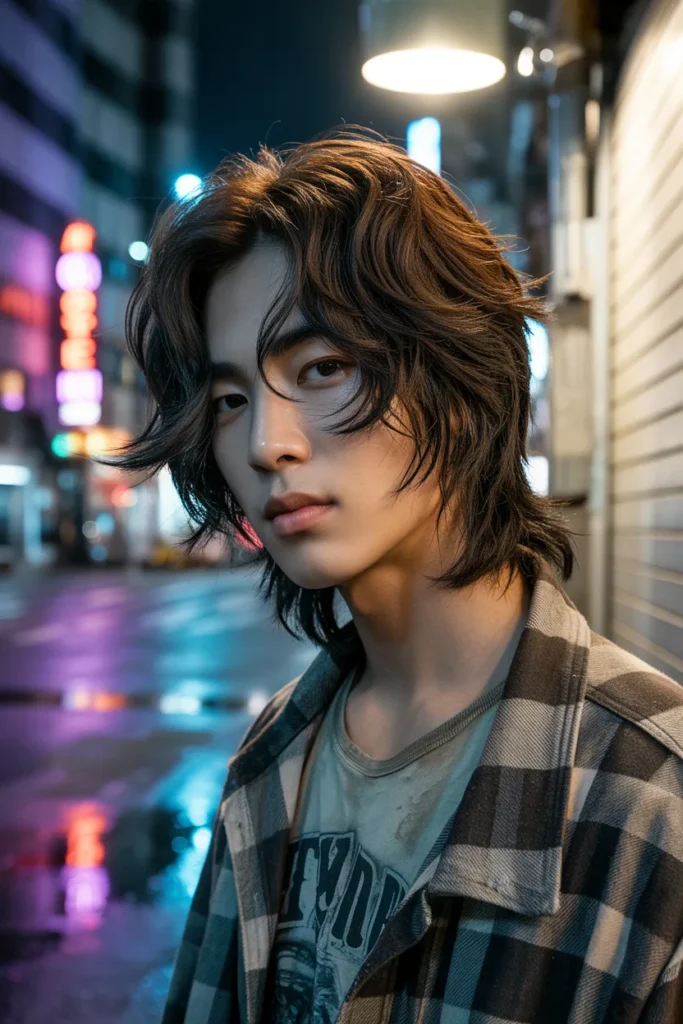
The wolf cut combines layers, texture, and volume to create a bold appearance. It mixes elements of classic shag haircuts with modern Korean styling techniques.
One reason this haircut has become so popular is that it adds movement without requiring extensive styling. The layered structure creates a naturally lived-in look that pairs well with both casual and fashion-forward outfits.
Pro Tip: Adding subtle waves can make the layers stand out even more and enhance the overall shape.
6. Undercut with Textured Top – A Bold Take on Korean Hairstyles for Men
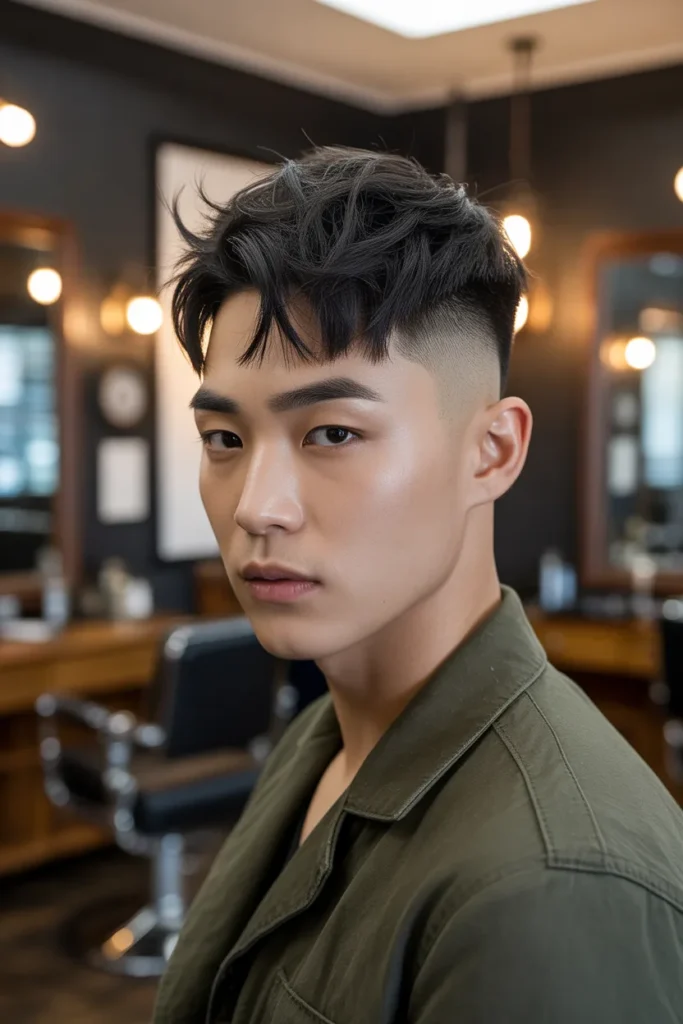
This hairstyle creates strong contrast between short sides and a fuller top section. It is one of the best choices for men who want a haircut that stands out without requiring dramatic styling.
I appreciate how versatile it is. The textured top can be styled forward, upward, or slightly messy depending on the occasion. Regular maintenance helps keep the fade looking sharp and clean.
7. Bleached Blonde Hair – The Boldest Korean Hairstyle for Men
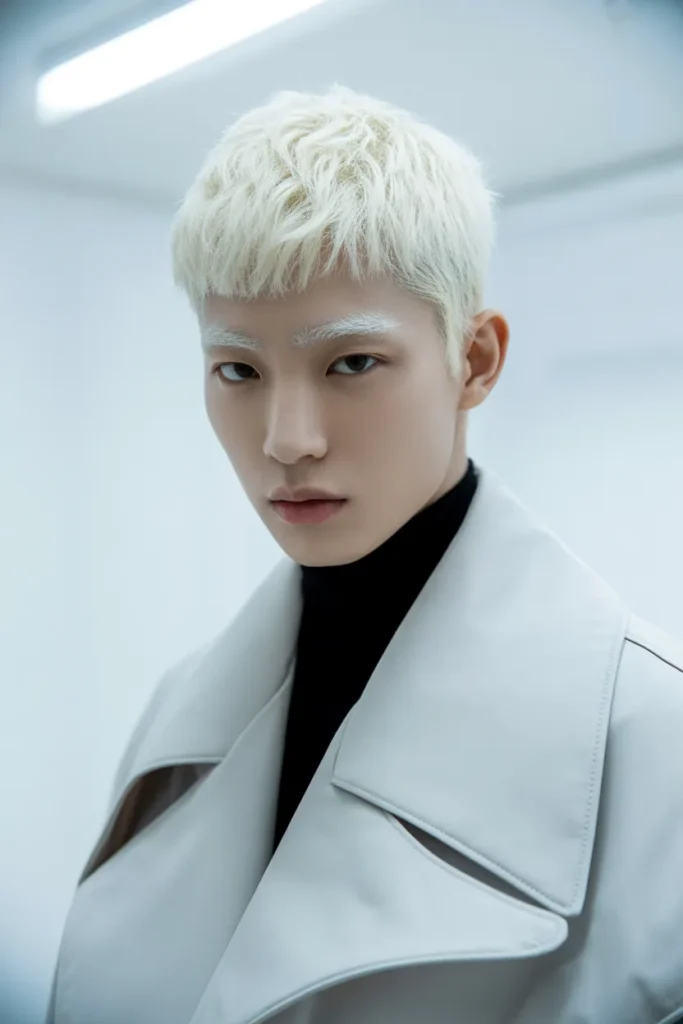
Bleached blonde hair continues to be a major trend in Korean fashion and entertainment. The bright color immediately attracts attention and creates a striking appearance.
While the look is impressive, maintenance is important. Hair that has been lightened requires extra hydration and protection to prevent dryness. Regular conditioning treatments make a huge difference in keeping blonde hair healthy.
8. Side-Swept Fringe – The Timeless Classic Among Korean Hairstyles for Men
The side-swept fringe is one of those hairstyles that never seems to go out of style. It provides a flattering shape for many face types and can easily transition between professional and casual settings.
I like this style because it feels effortless. A small amount of styling cream is usually enough to keep the fringe in place while maintaining a natural finish.
9. Textured Crop – The Low-Maintenance Favorite in Korean Hairstyles for Men
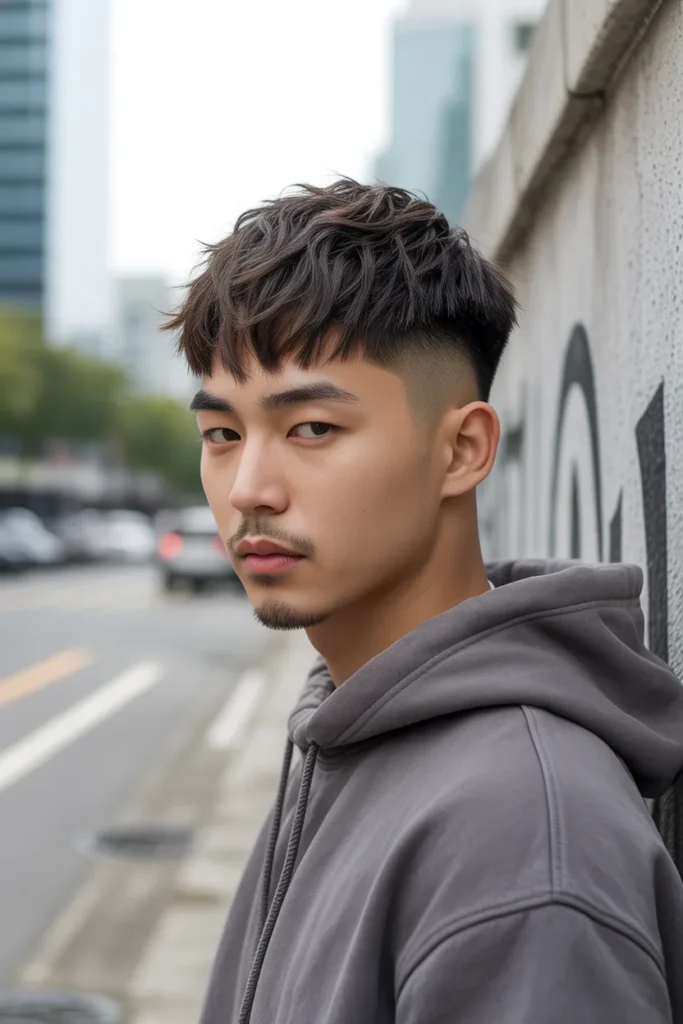
For men who prefer simple grooming routines, the textured crop is an excellent option. The short length keeps maintenance low while the textured top adds personality and style.
This haircut works particularly well for busy students and professionals. A quick application of matte clay can create definition in less than a minute.
Pro Tip: Use sea salt spray before styling if you want extra texture without adding heaviness.
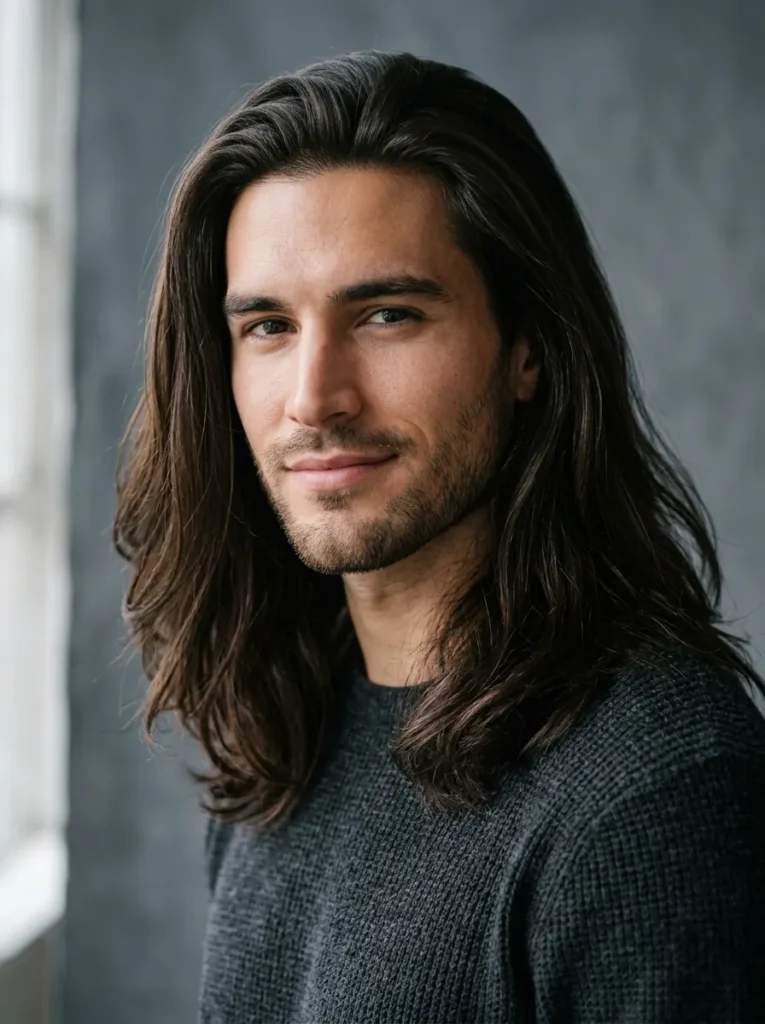
10. Long Flowing Hair – The Romantic Side of Korean Hairstyles for Men
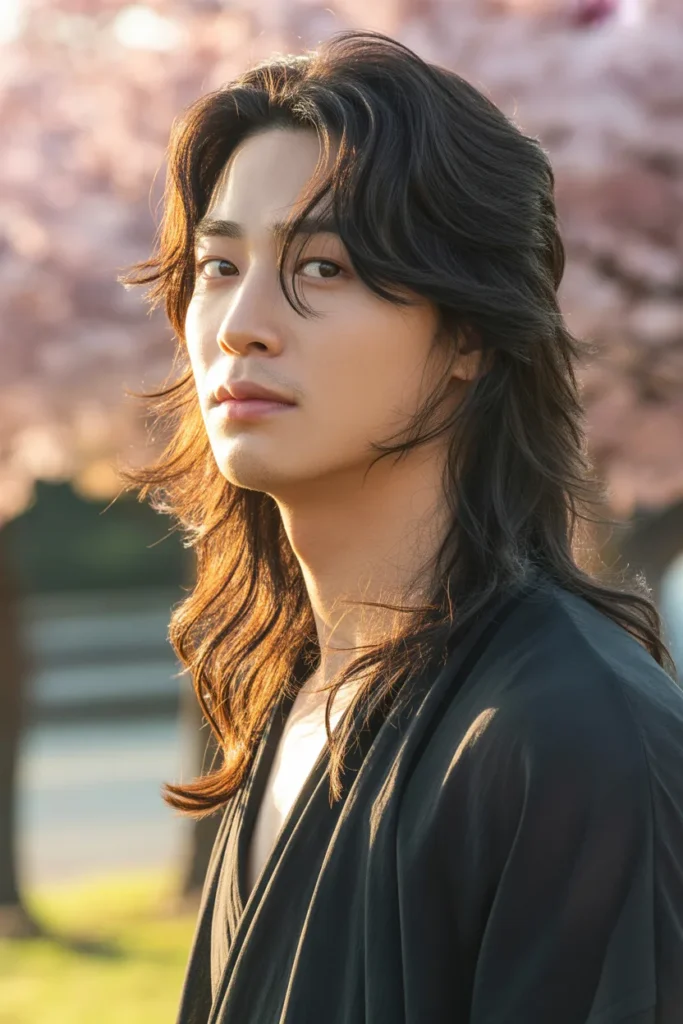
Long hair can create an elegant and artistic appearance when properly maintained. In Korean fashion culture, long hairstyles often project confidence and individuality.
Growing hair long requires patience and consistent care. Deep conditioning, gentle brushing, and routine trims help keep the hair healthy throughout the growing process.
11. Mullet Hairstyle – The Retro Comeback in Korean Hairstyles for Men
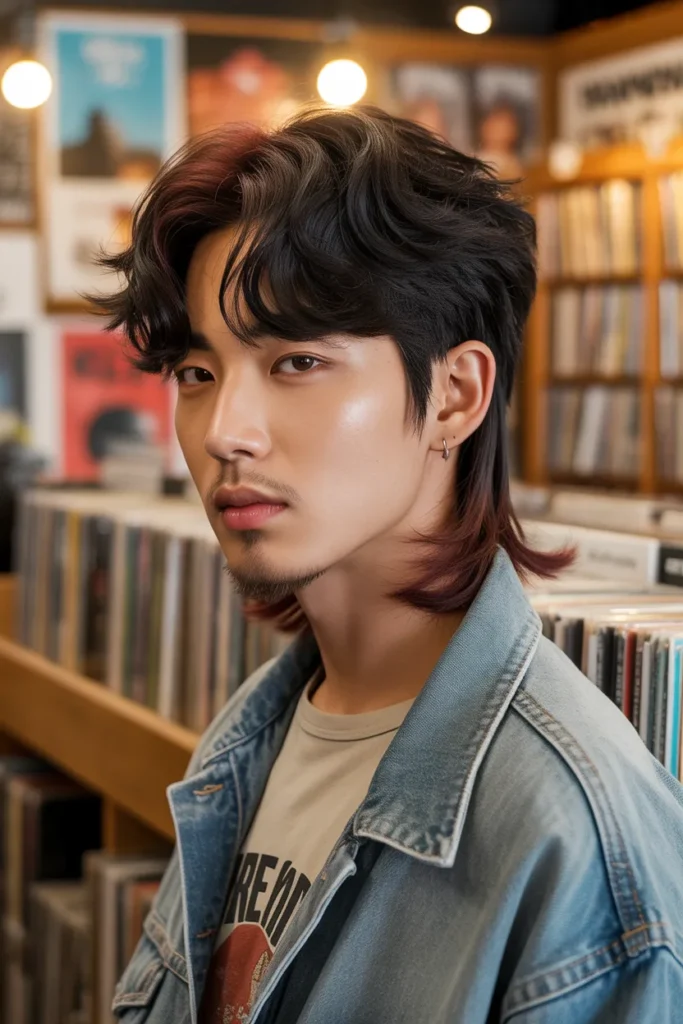
The Korean version of the mullet is much more refined than older versions. Instead of extreme length differences, it uses balanced proportions that feel modern and stylish.
I have noticed that many fashion-focused men choose this hairstyle because it offers something unique without looking outdated. Texture and layering help keep the look fresh.
12. Ash Gray Hair – The Sophisticated Statement in Korean Hairstyles for Men
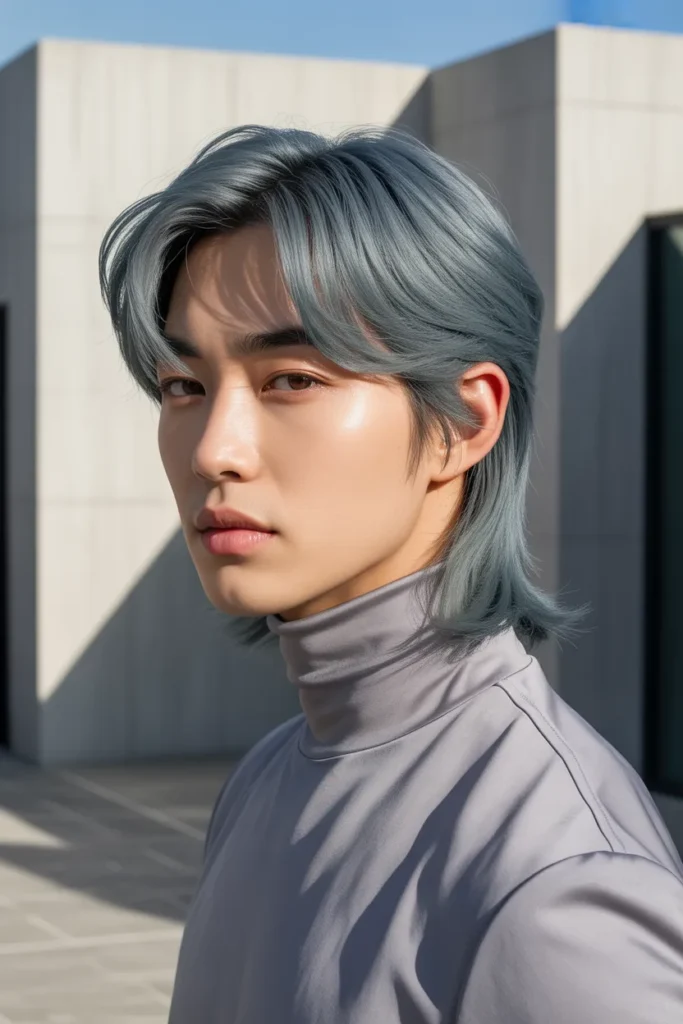
Ash gray remains one of the most sophisticated hair colors in Korean grooming trends. The cool-toned finish creates a sleek and fashionable appearance that stands out from traditional hair colors.
Maintaining the shade requires regular toning treatments. Purple shampoo is often recommended to help preserve the cool tones and reduce unwanted warmth.
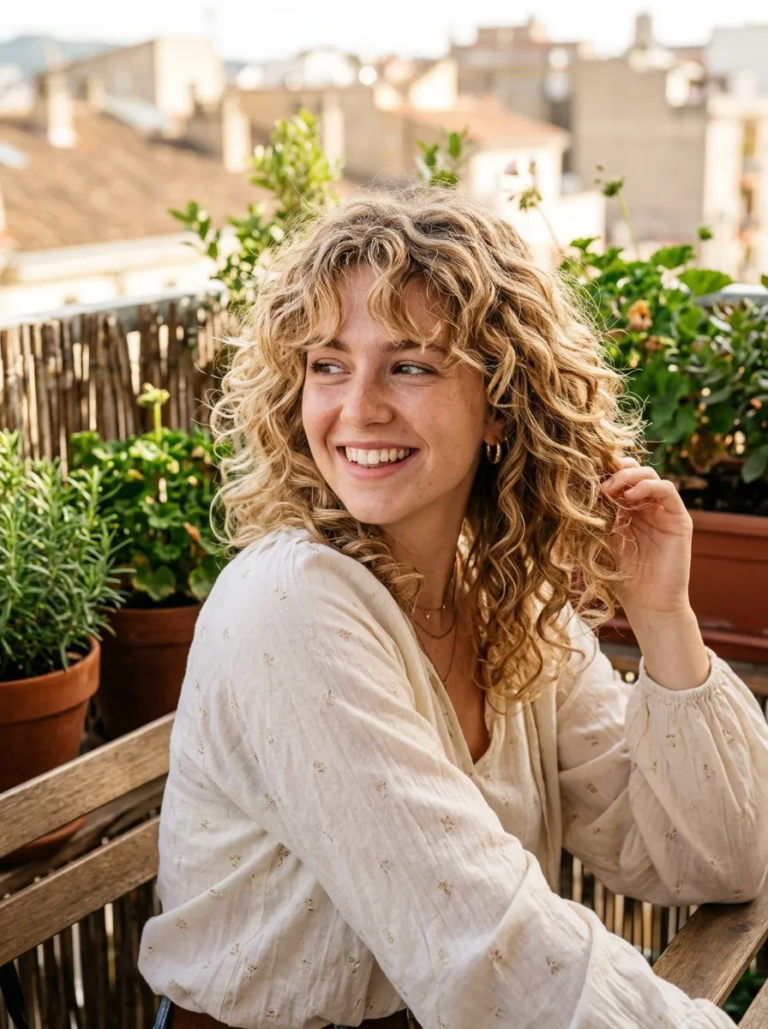
13. Fluffy Perm – The Cute and Voluminous Korean Hairstyle for Men
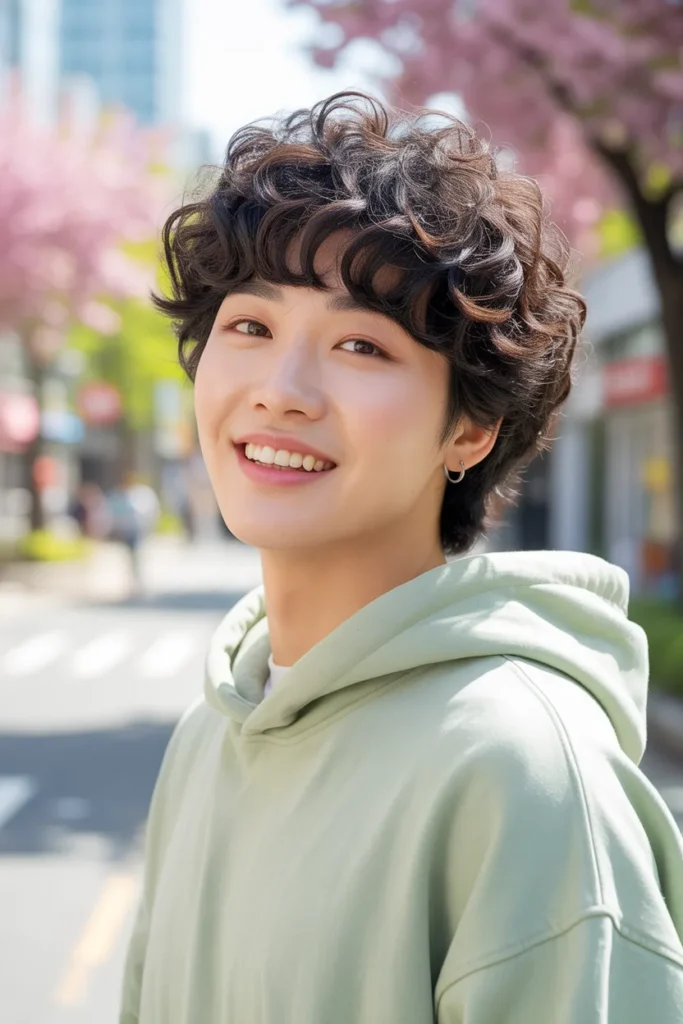
The fluffy perm focuses on volume rather than defined curls. It creates a fuller appearance that looks soft, natural, and trendy.
Many men choose this hairstyle because it adds height and shape without requiring daily heat styling. It is especially flattering for men who want their hair to appear thicker.
Pro Tip: Diffuse hair on a low setting instead of rubbing it with a towel to maintain volume and reduce frizz.
Check This: Bob Cut Ideas Every Modern Woman Will Love
14. Slicked Back Hair – The Power Look Among Korean Hairstyles for Men
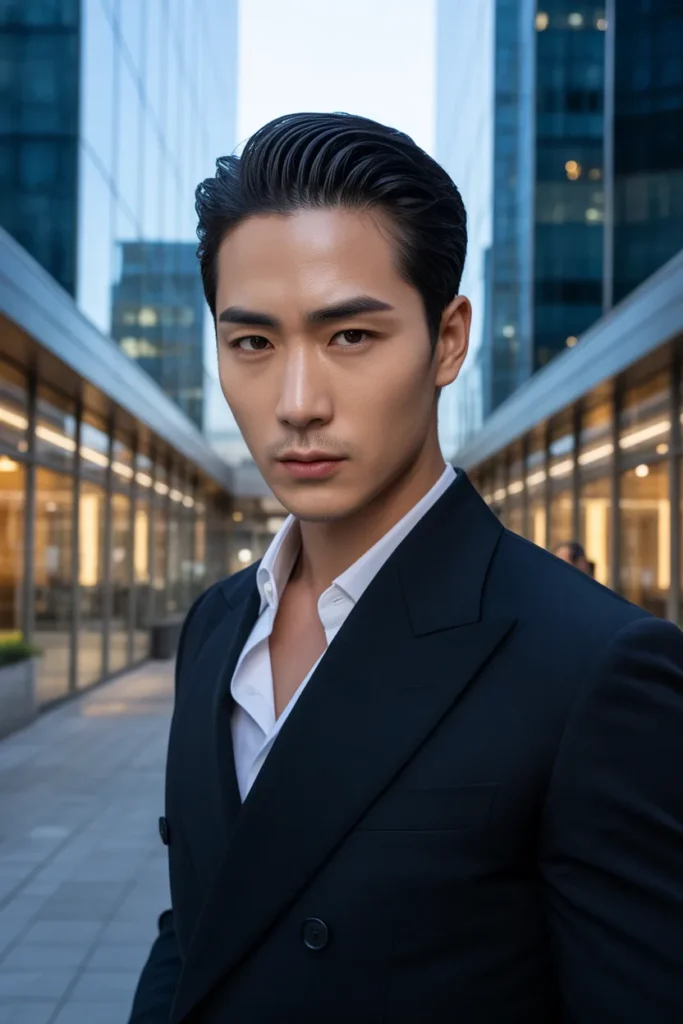
Slicked back hair delivers a polished and confident appearance. It is commonly seen in professional environments and formal events where a clean presentation matters.
A quality water-based pomade helps create hold while keeping the hair flexible. The hairstyle works best when there is enough length on top to comb back comfortably.
15. Bowl Cut Reimagined – The Artistic Edge in Korean Hairstyles for Men
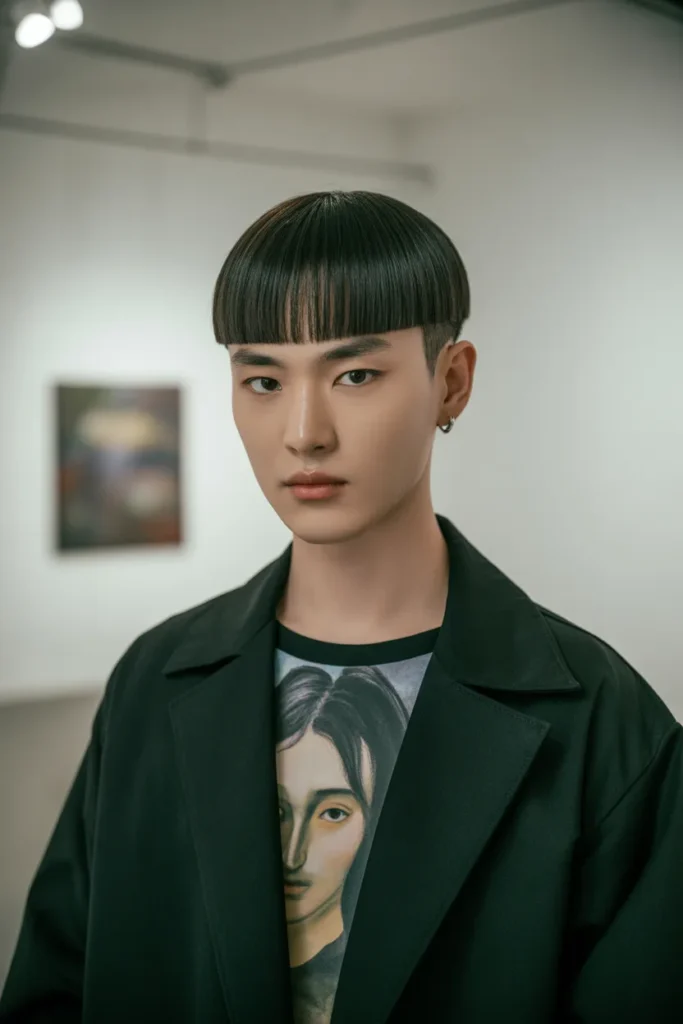
The modern Korean bowl cut has evolved far beyond its older reputation. Today’s version incorporates fades, texture, and precision cutting techniques that make it feel fashionable and contemporary.
What stands out most is the strong shape it creates around the face. Men who enjoy creative fashion often choose this haircut because it makes a memorable visual statement.
16. Two-Tone Hair Color – The Creative Expression in Korean Hairstyles for Men
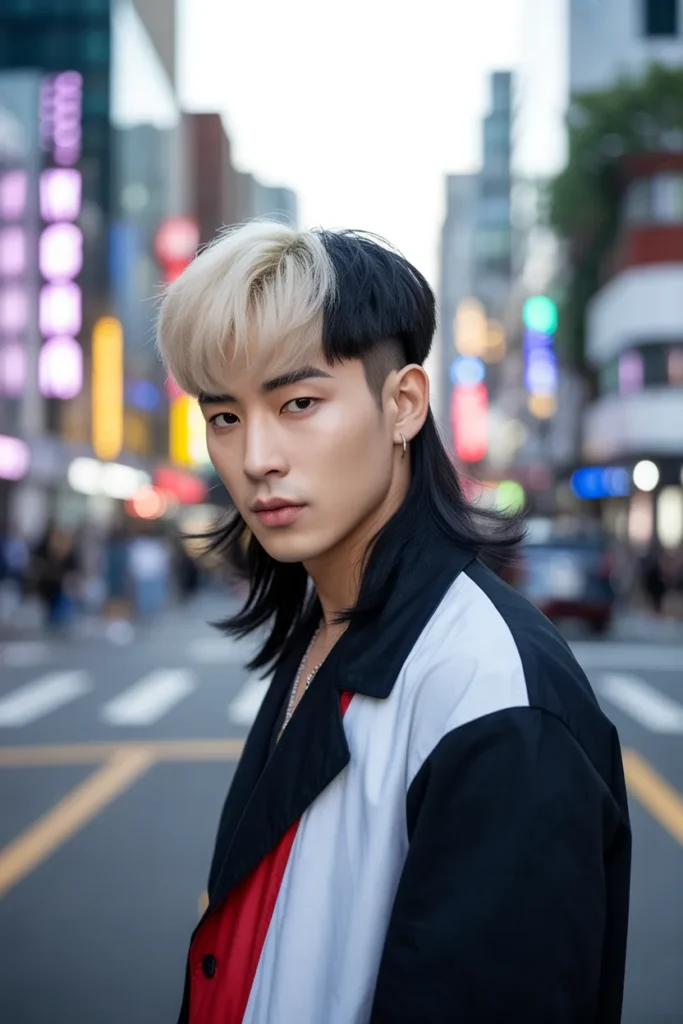
Two-tone coloring offers a unique way to showcase personality through hair. The contrast between dark and light sections creates depth and visual interest.
Achieving clean results requires an experienced colorist. Proper maintenance is equally important because lighter sections tend to need more hydration and color correction over time.
17. Messy Textured Fringe – The Effortless Cool of Korean Hairstyles for Men
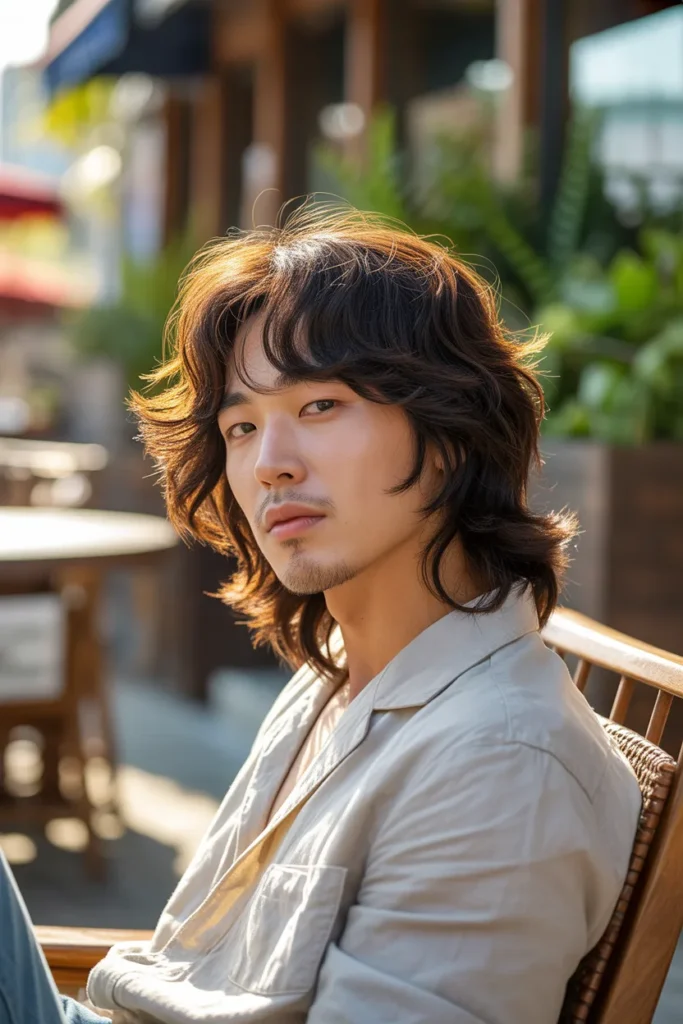
The messy textured fringe is designed to look relaxed and natural. Even though it appears effortless, the right products and haircut structure are essential for achieving the look.
I like this hairstyle because it feels approachable and works well for everyday wear. A small amount of texturizing product can create movement without making the hair feel stiff.
18. High Fade with Long Top – The Sharp Contrast in Korean Hairstyles for Men
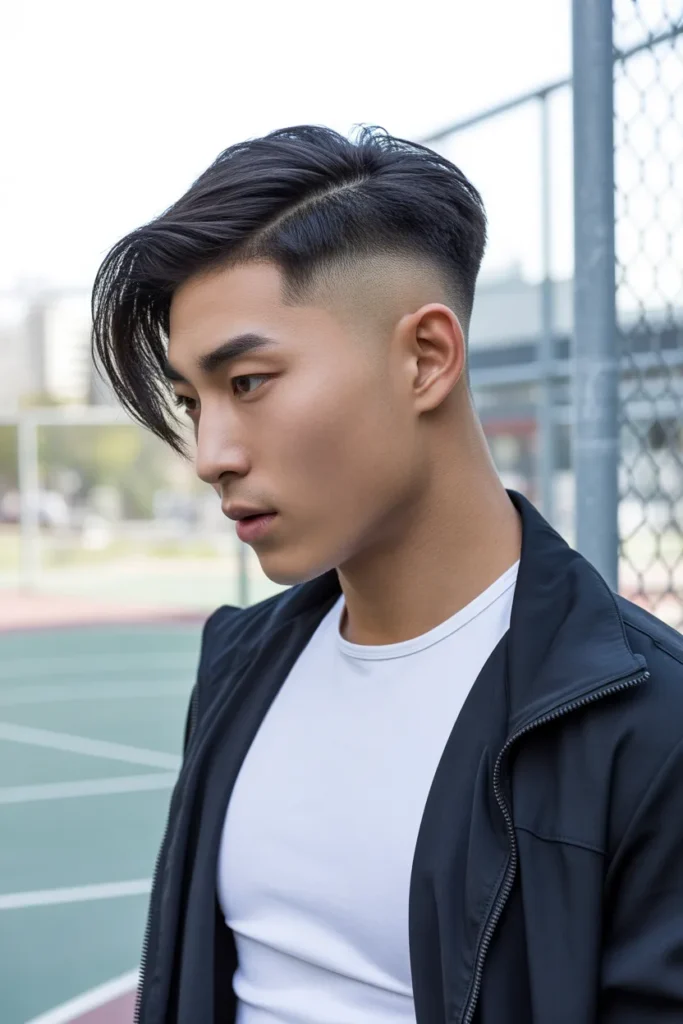
This haircut emphasizes contrast by pairing a very short fade with significant length on top. The result is bold, clean, and modern.
Maintaining the fade requires regular barber visits, while the longer top benefits from conditioning and heat protection. The hairstyle offers plenty of styling flexibility depending on personal preference.
19. Textured Quiff – The Confident Classic Among Korean Hairstyles for Men
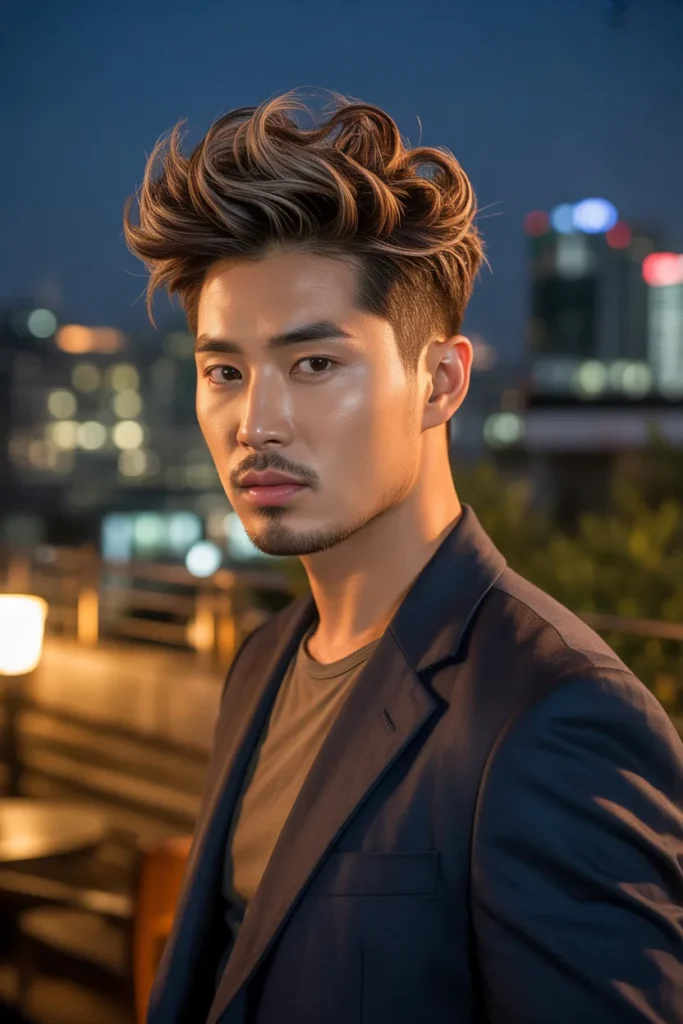
The textured quiff combines volume, structure, and movement. It is a reliable option for men who want a hairstyle that works equally well in professional and social settings.
Unlike traditional quiffs that can appear rigid, Korean-inspired versions often focus on natural texture. This creates a softer and more approachable finish while still delivering height and shape.
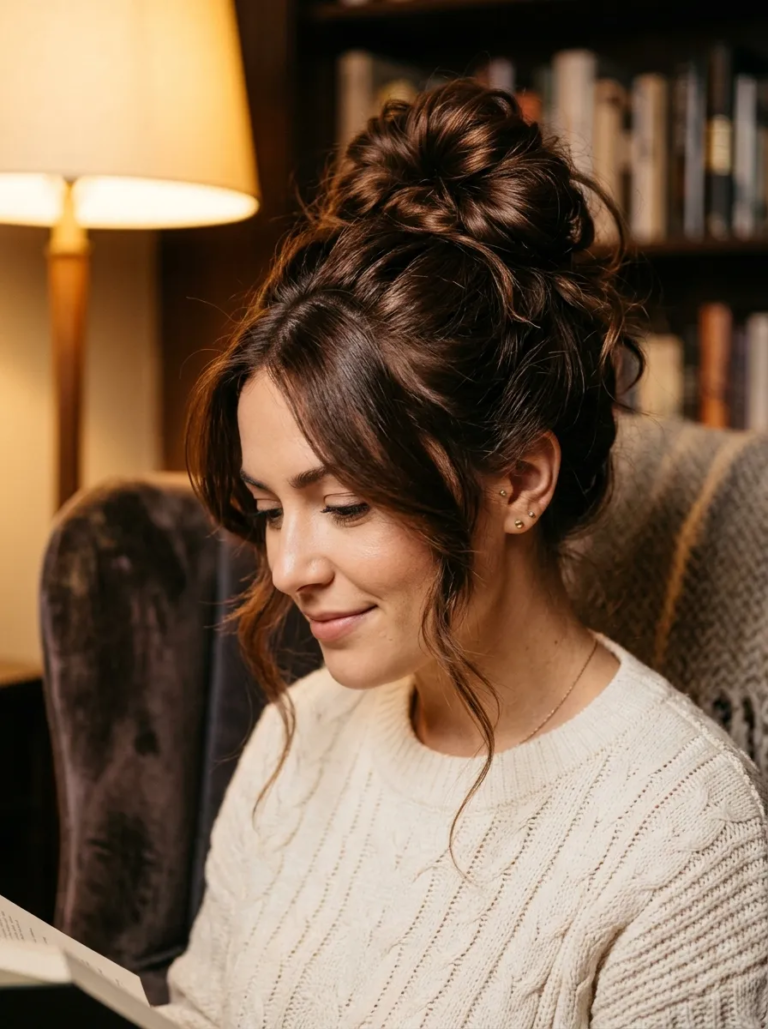
20. Space Bun Updo – The Boldest Experiment in Korean Hairstyles for Men
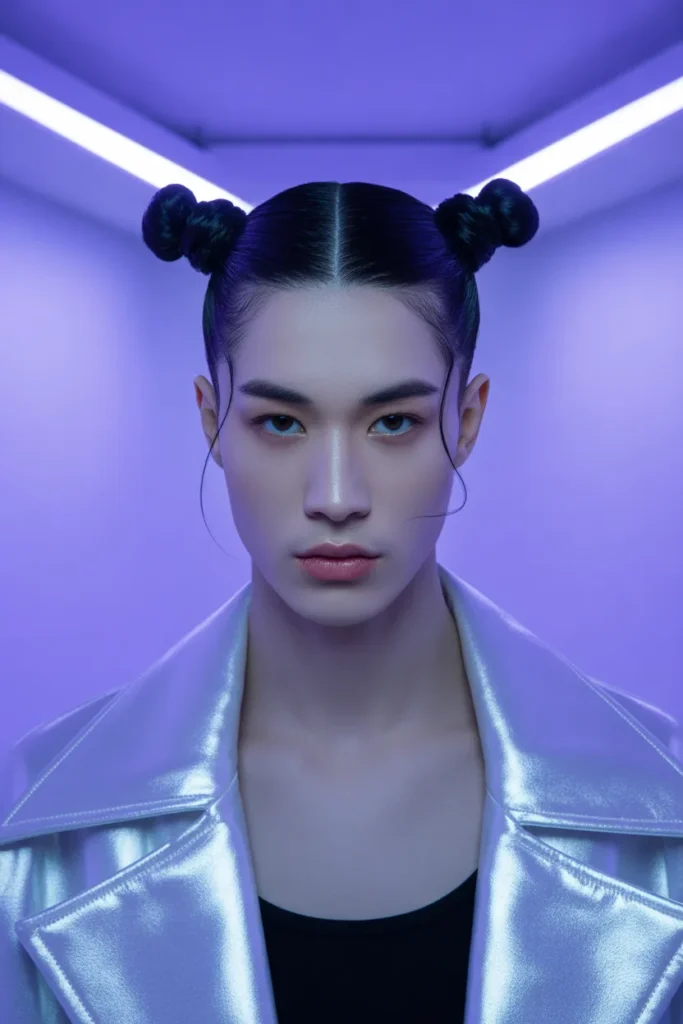
The space bun updo is one of the most creative hairstyles on this list. Inspired by performance fashion and modern Korean style culture, it challenges traditional expectations and encourages self-expression.
This hairstyle works best with medium to long hair and requires careful sectioning for balance and symmetry. It may not be for everyone, but it certainly leaves a lasting impression.
Read This; spring hair color ideas for 2026
FAQs
1. Which Korean hairstyle is best for men with thin hair?
From my experience, the two-block haircut, textured crop, and fluffy perm are excellent choices for thin hair. These styles add volume and create the appearance of thicker, fuller hair. A Korean volume perm can be especially effective because it lifts the roots and adds natural movement without requiring heavy styling products.
2. How often should I trim a Korean hairstyle to keep it looking fresh?
Most Korean hairstyles look their best with a trim every 4 to 6 weeks. Styles with fades, undercuts, or sharp layers may need maintenance every 2 to 4 weeks, while longer styles such as curtain bangs or flowing hair can usually go a bit longer between appointments. Regular trims help maintain the shape and prevent the hairstyle from looking overgrown.
Conclusion
Korean hairstyles for men continue to influence global grooming trends because they balance style, practicality, and individuality. Whether I choose a classic two-block haircut, a trendy fluffy perm, or a bold color transformation, there is a Korean hairstyle that can match my personality and lifestyle. The key is finding a look that complements my face shape, hair texture, and daily routine. Once I find the right fit, the confidence boost is hard to ignore.