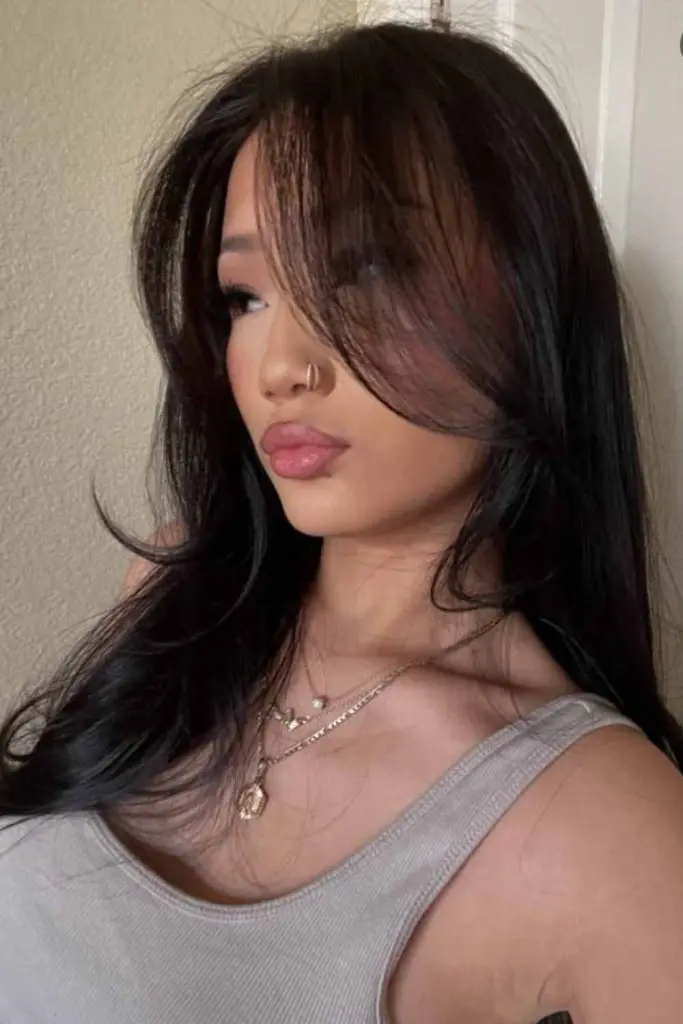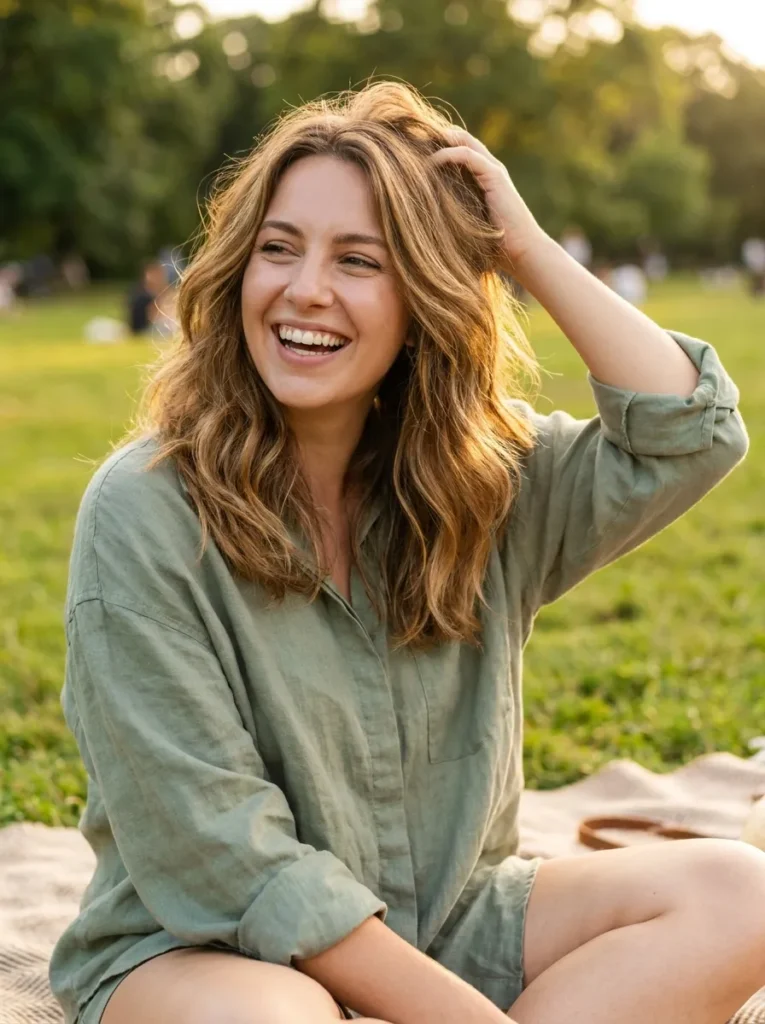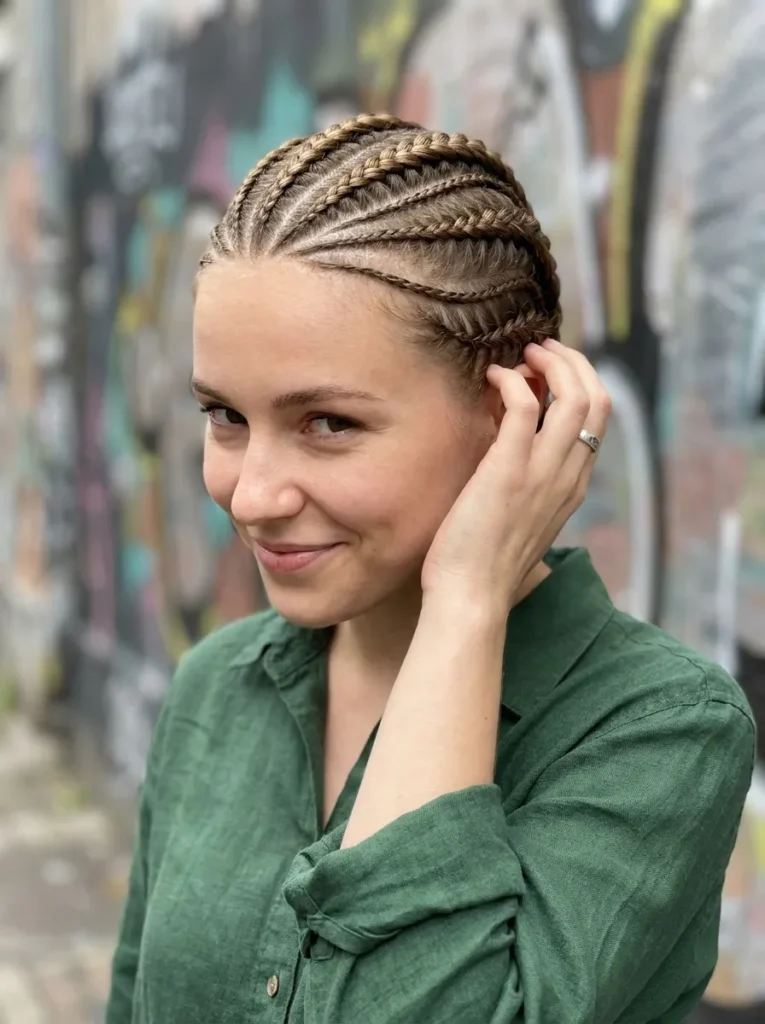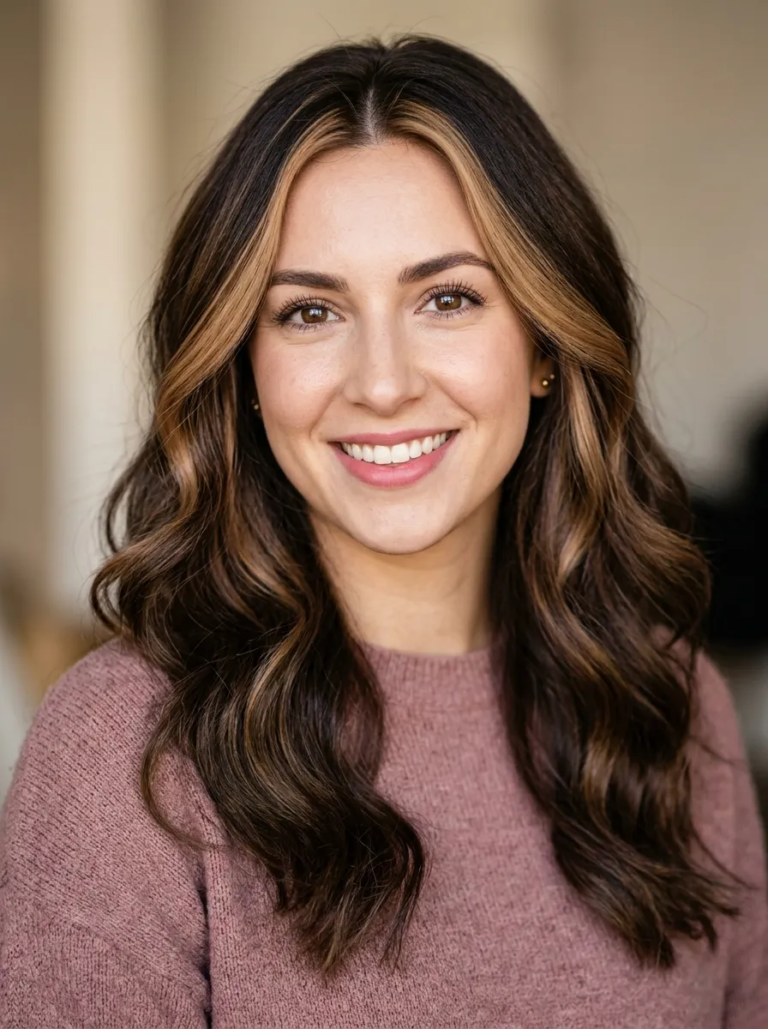
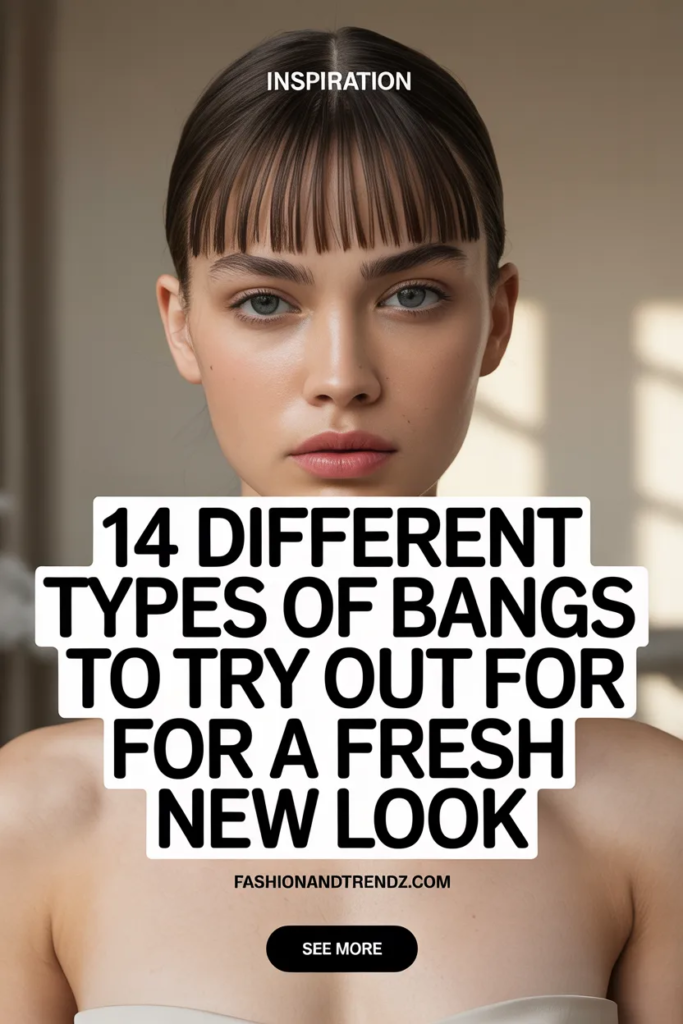
Bangs can change a whole hairstyle with just a few inches of hair, because they frame the eyes, soften the forehead, and add shape to the face. The right fringe flatters your face shape, suits your hair texture, and fits the amount of styling you are happy to do each morning. In my work with everyday styling, I have seen how a small change in bang length or texture can make a familiar haircut feel completely new, and how the wrong fringe can fight against natural hair movement. Some people want a soft, low-maintenance sweep, while others love a sharp, graphic edge. This guide covers fourteen types of bangs, with notes on who each one suits and how to wear it.
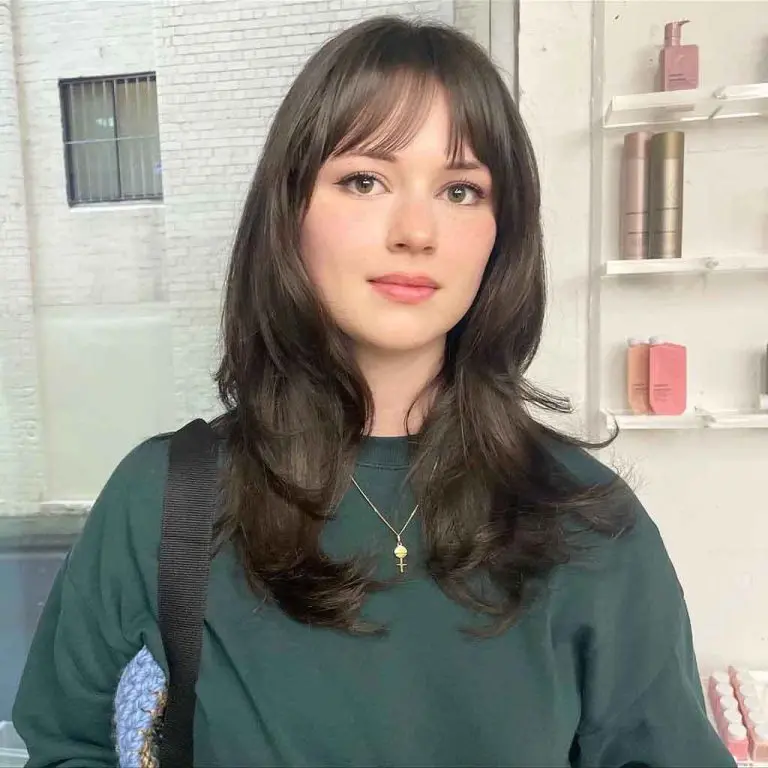
1. Curtain Bangs
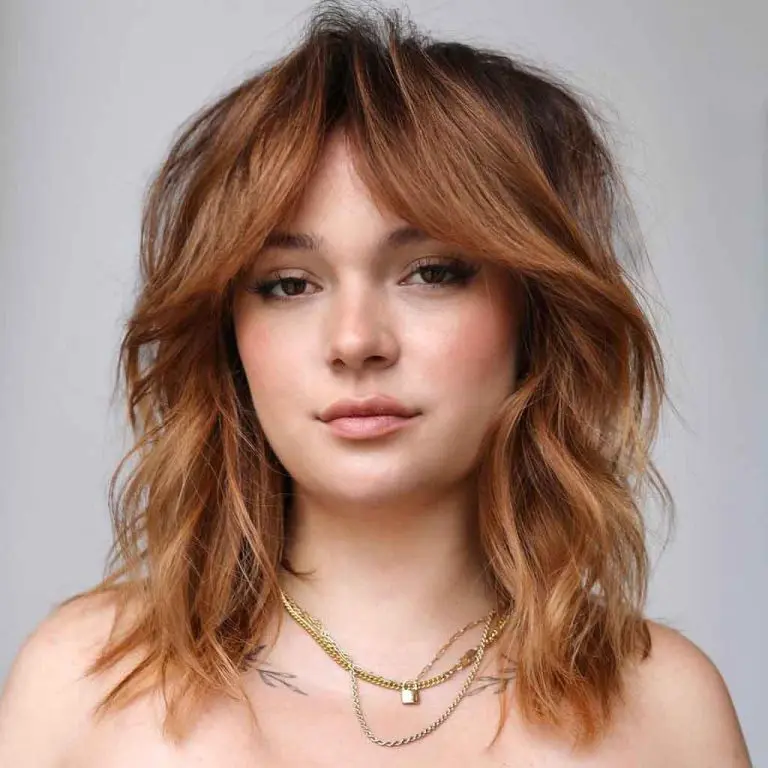
Curtain bangs part in the middle and sweep softly to each side, framing the face like curtains around a window. This style suits almost every face shape, and it flatters round faces especially well because the longer sides lengthen the forehead area. Curtain bangs work on straight, wavy, and lightly curled hair, and they grow out gracefully, which makes them one of the easiest fringes to maintain. Ask for the shortest point at the brow and the longest pieces reaching the cheekbones. Style them with a round brush, sweeping each side outward, and they fall naturally into place.
2. Layered Bangs
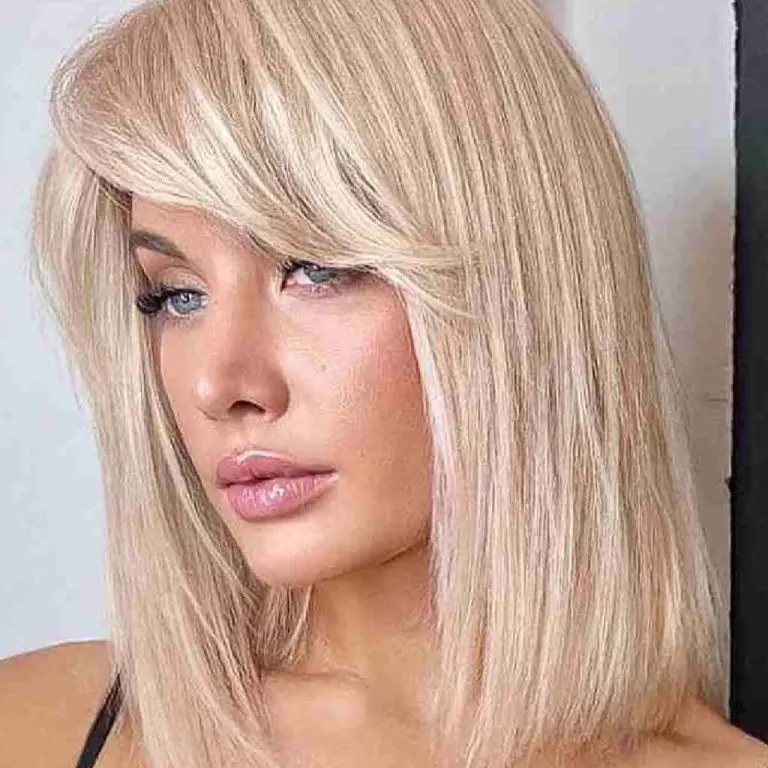
Layered bangs use varied lengths to blend the fringe into the rest of the hair, which gives the style softness and movement. This type suits thick hair especially well, because the layers remove weight and stop the fringe from looking heavy or solid. It flatters most face shapes, and it works beautifully with layered haircuts where the bangs flow into the sides. Ask your stylist to cut the bangs in layers that connect with the face-framing pieces. Style them with a light blow dry, and let the ends flick naturally so the layers show their shape.
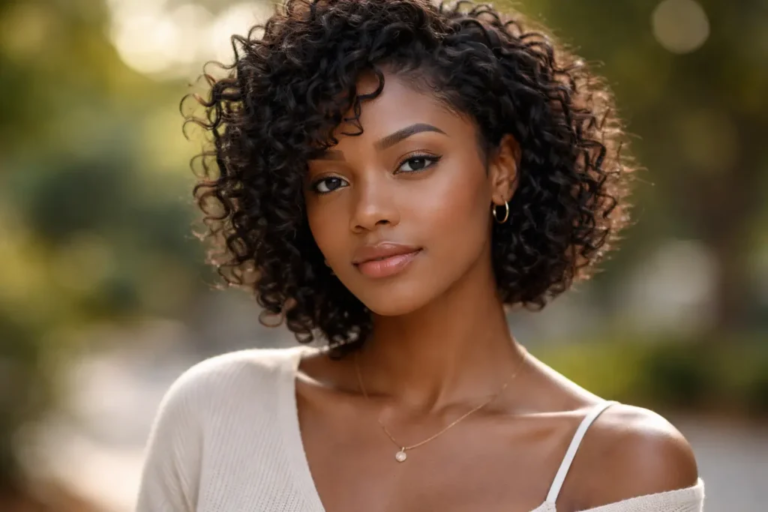
3. Curly Bangs
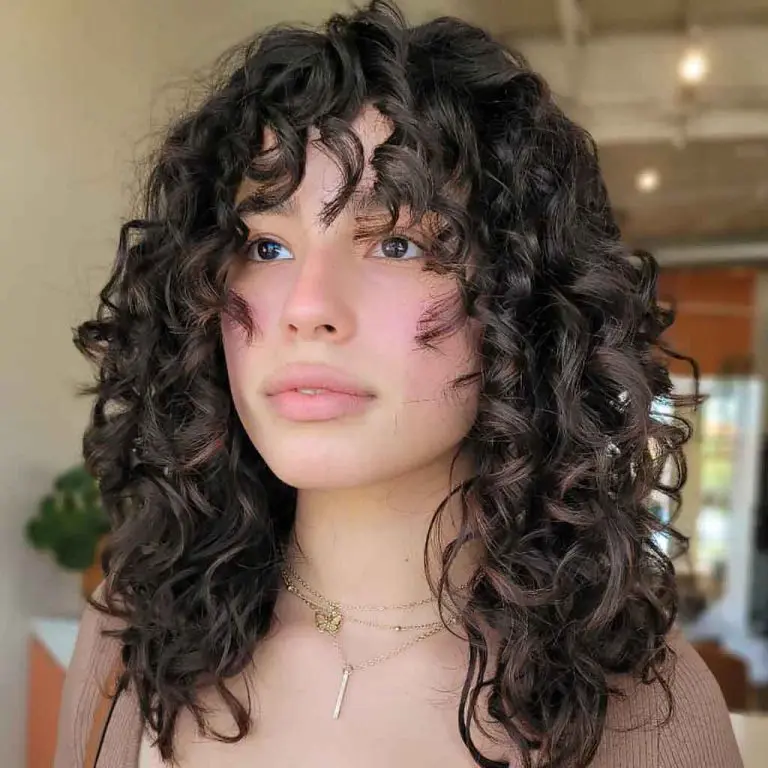
Curly bangs celebrate natural texture, with ringlets falling across the forehead in a soft, bouncy shape. This style suits naturally curly and coily hair best, and it flatters round and heart-shaped faces because the curls add width and movement at the brow. The key is cutting curly bangs longer than they look when dry, since curls spring up as they dry. Ask your stylist to cut them dry or nearly dry so the length is exact. Our short curly hairstyles show more ways to wear natural curls with confidence.
4. Choppy Bangs
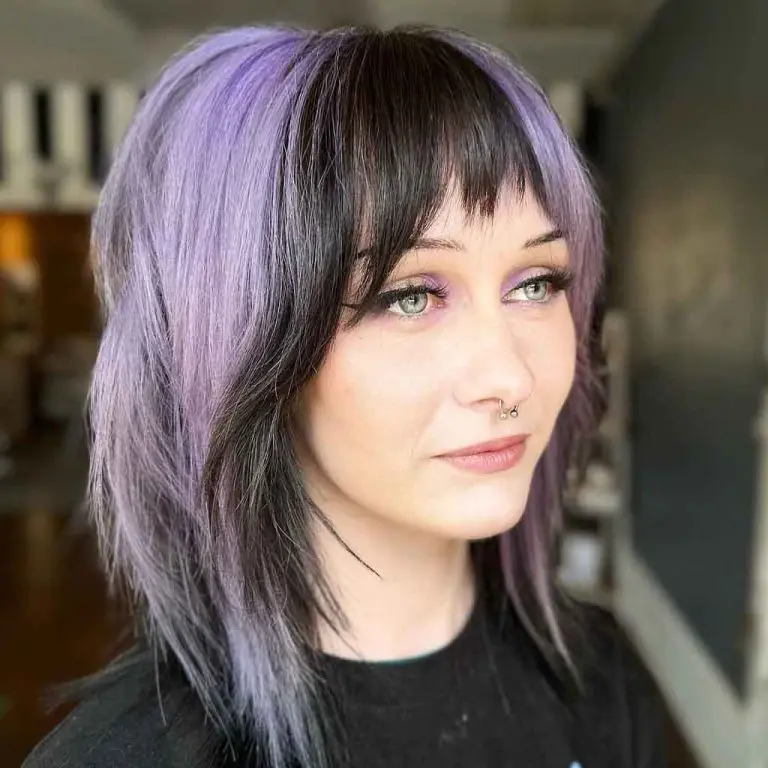
Choppy bangs have uneven, textured ends that give the fringe a modern, edgy feel instead of a smooth line. This style suits straight and lightly waved hair, and it flatters oval and square faces because the broken edge softens strong features. Choppy bangs work well with shaggy cuts, bobs, and layered styles where texture is part of the look. Ask for the ends to be point-cut rather than cut straight across, so the texture looks intentional. Style them with a little texture spray and your fingers, and avoid over-smoothing, since the uneven edge is the whole point.
5. Bottleneck Bangs
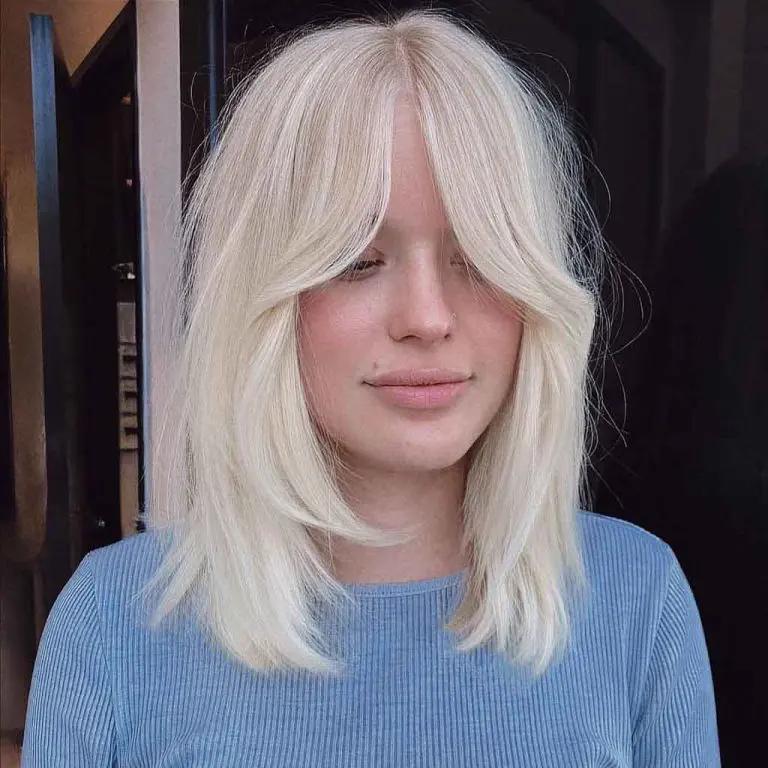
Bottleneck bangs are narrow and short at the centre, then widen toward the cheekbones, like the shape of a bottle neck. This style suits most face shapes, and it flatters round faces because the longer sides draw the eye outward and down. Bottleneck bangs work on straight and wavy hair, and they grow out more gracefully than blunt bangs, since the shape already blends into the sides. Ask for the centre to sit just above the brows and the sides to reach the cheekbones. Style them with a round brush, curving the sides outward for a soft, open frame.
6. Piecey Bangs
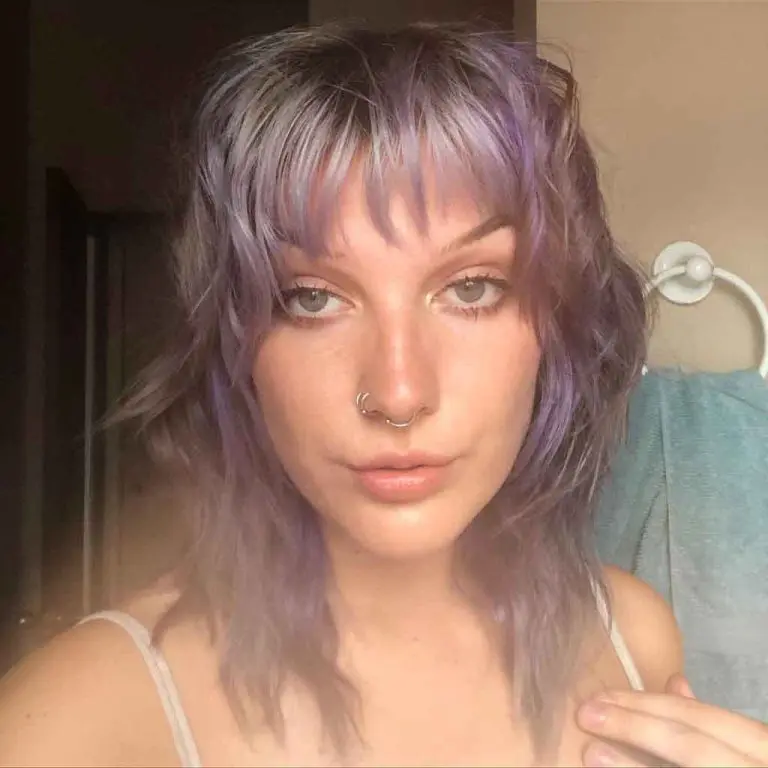
Piecey bangs are separated into soft, defined strands, which gives the fringe a light, textured look instead of a solid sheet of hair. This style suits fine to medium hair best, because the separation adds movement without needing much volume. It flatters oval and heart-shaped faces, and it works well with layered cuts and casual styles. Ask your stylist to cut the bangs with texture and to show you how to separate the pieces. A tiny amount of styling cream on the ends defines each piece, and the fringe stays light and airy all day.
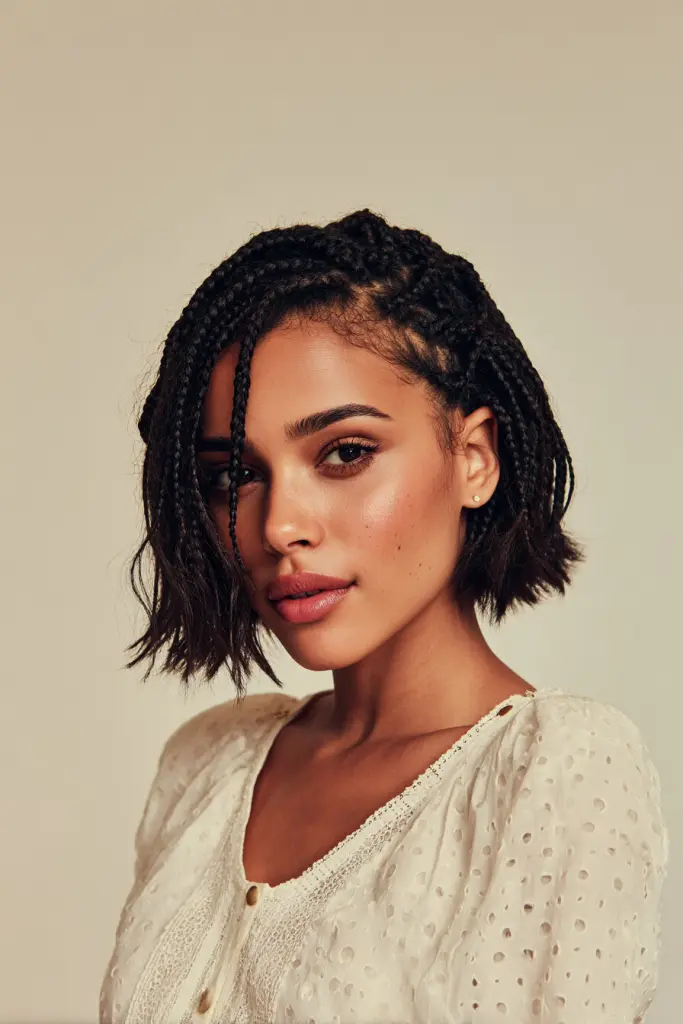
7. Braided Bangs
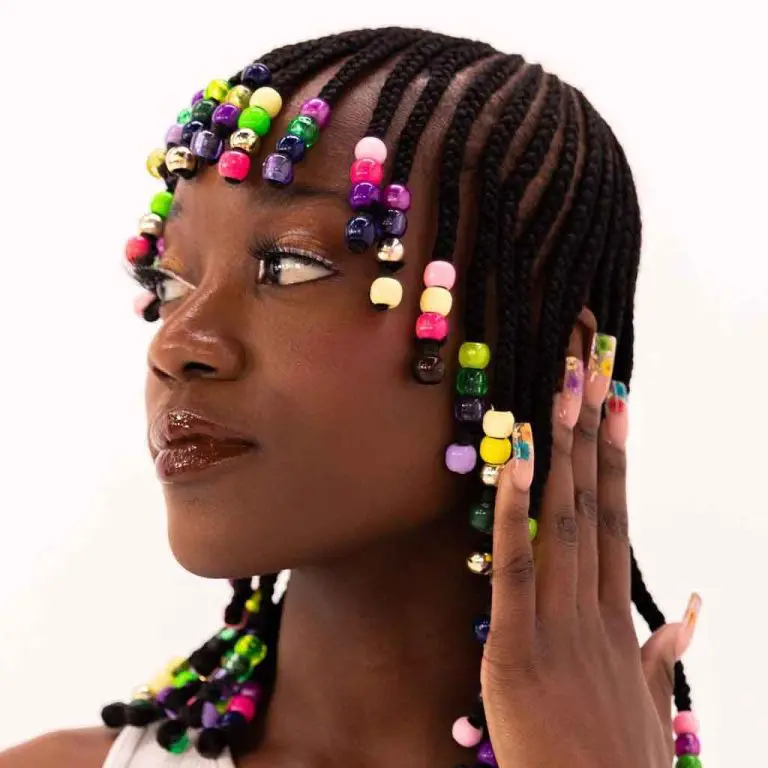
Braided bangs weave the front hair into a braid across the forehead, which keeps the hair off the face while adding a decorative detail. This style suits medium to long hair, and it works beautifully for festivals, holidays, and days when you want the fringe out of the way. It flatters most face shapes, since the braid frames the brow without covering it. Start the braid at one temple, weave it across the forehead, and pin the end behind the ear. The style holds well through the day, and it pairs nicely with loose waves or a ponytail.
8. Blunt Bangs

Blunt bangs are cut straight across the forehead in one clean line, which gives the face a bold, graphic frame. This style suits straight hair best, because the sharp edge depends on a smooth, even surface. It flatters oval and long faces, since the horizontal line shortens the forehead and balances the features. Ask for the bangs to sit just at or slightly above the brows, and keep the line exact with regular trims. Style them with a flat iron for a sleek finish, and keep the rest of the hair smooth so the bold fringe leads the look.
9. Wispy Bangs
Wispy bangs use light, feathery strands that softly cover the forehead without hiding it, which makes them the gentlest fringe of all. This style suits fine hair especially well, because it needs little density to look full, and it flatters most face shapes since the softness never overwhelms the features. Wispy bangs work well for anyone trying bangs for the first time, because they grow out easily. Ask for a thin section cut with texture, and style them with a quick blow dry and a round brush. A light spray holds the shape without making the strands stiff.
10. Wavy Bangs
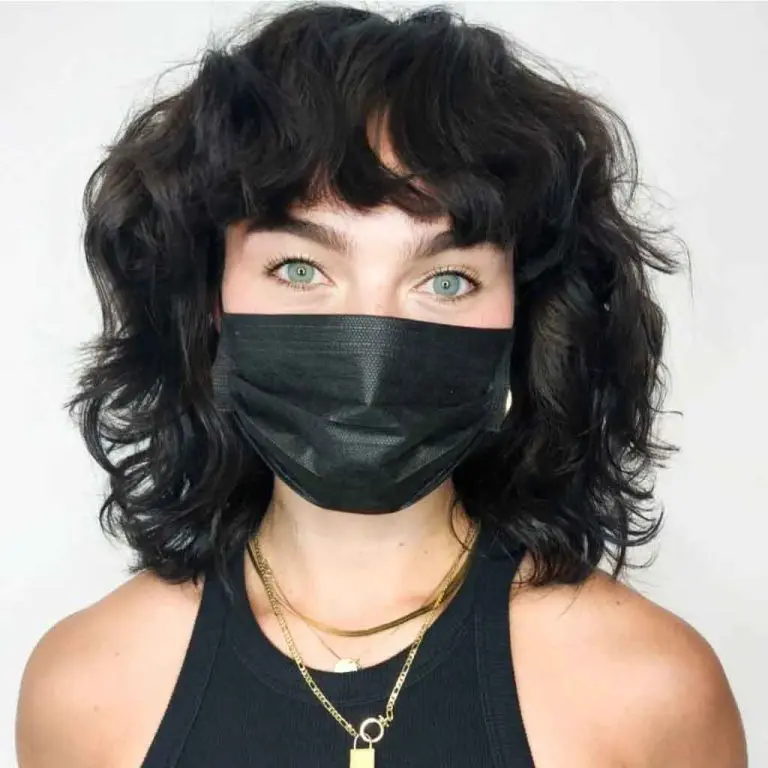
Wavy bangs follow the hair's natural wave, falling across the forehead in soft, loose curves. This style suits wavy and lightly curled hair best, and it flatters most face shapes because the movement keeps the fringe soft and relaxed. Wavy bangs need less styling than straight fringes, since the wave does much of the work, but they do need enough length to hold the curve. Ask for the bangs to be cut slightly longer than a straight fringe, so the wave has room to form. Style them by scrunching lightly while damp and letting them air dry.
11. Side-Swept Bangs

Side-swept bangs brush diagonally across the forehead to one side, which creates a soft, flattering line that suits almost everyone. This style works on straight, wavy, and curly hair, and it flatters round and square faces because the diagonal line breaks up the width of the forehead. Side-swept bangs grow out easily, since they blend into the longer hair at the side, which makes them a low-commitment choice. Ask for the bangs to start at a deep side part and reach the cheekbones. Style them with a round brush, sweeping them across and letting the ends curve softly.
12. Clip-On Bangs

Clip-on bangs give you an instant fringe without cutting a single strand, which makes them perfect for testing bangs or wearing them only sometimes. They suit anyone who wants the look for an evening, a photoshoot, or a special occasion, and they work with most hair lengths and textures. Choose a piece that matches your hair colour and texture closely, and position it just behind your natural hairline so it blends. Style the clip-on piece with the rest of your hair, and secure it with its clips plus one pin for extra hold. Our ponytail hairstyle ideas pair well with clip-on bangs for a quick, polished change.
13. Micro Bangs
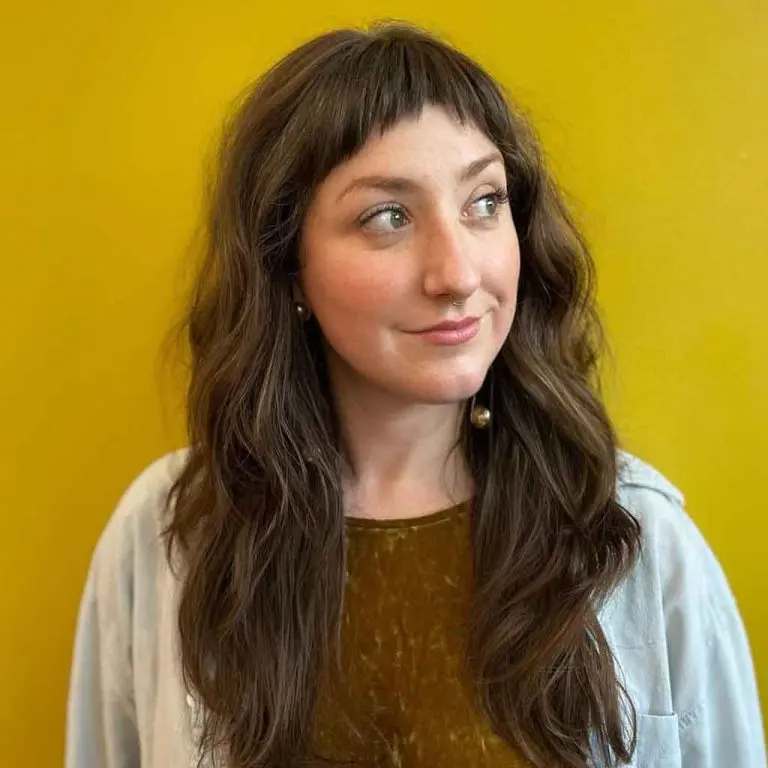
Micro bangs are cut very short, sitting well above the brows, which gives the face a bold, editorial edge. This style suits straight hair best, and it flatters oval and heart-shaped faces because the short fringe opens up the forehead and draws attention to the eyes. Micro bangs need confidence and regular trims, since even a little growth changes the shape quickly. Ask your stylist to cut them gradually, checking the length as they go, because short bangs cannot be undone. Style them smooth and straight, and keep the rest of the hair sleek so the striking fringe stands out.
14. Shaggy Bangs
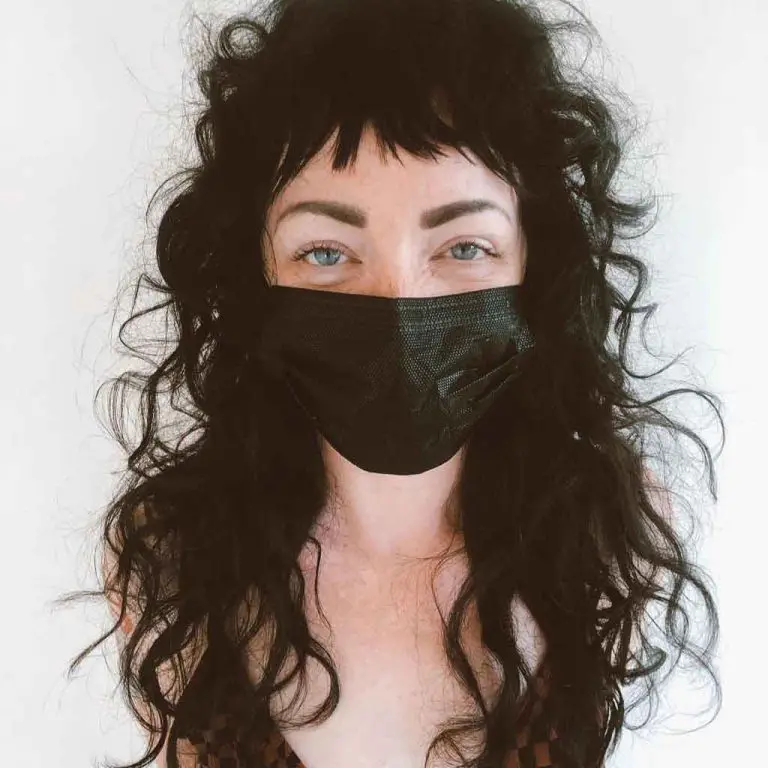
Shaggy bangs have textured, uneven layers that blend into a shag haircut, giving the fringe a relaxed, lived-in feel. This style suits wavy and lightly curled hair best, because the natural texture adds to the shaggy shape. It flatters most face shapes, and it works well with medium and long shag cuts where the bangs connect with the layers around the face. Ask for the bangs to be cut with plenty of texture and to blend into the sides. Style them with your fingers and a little texture spray, and let them fall naturally without over-smoothing.
What to Tell Your Stylist
Bring photos of the exact bang style you want, because bangs vary hugely in length, thickness, and texture, and a picture shows the shape better than words. Tell your stylist your face shape and hair texture, since thick, curly, and fine hair all behave differently as a fringe. Mention how much time you will spend styling each morning, because blunt and micro bangs need daily work while curtain and side-swept bangs need very little. Ask how often the bangs will need trimming, and whether your stylist offers quick fringe trims between appointments. Say whether you want the bangs to blend into layers or stand alone as a strong feature. Finally, ask to see the length checked while your hair is dry, so there are no surprises. Ask your stylist to show you how to blow dry the fringe at home, since the right brush direction makes a new fringe much easier to live with.
FAQs
What type of bangs are easiest to maintain?
Curtain bangs and side-swept bangs are the easiest to maintain, because they grow out gracefully and blend into the surrounding hair. Both need little daily styling and only occasional trims to hold their shape. Wispy bangs are also low maintenance, since their soft texture hides regrowth well. Blunt and micro bangs need the most upkeep, because their sharp lines show growth quickly.
Do bangs suit every face shape?
Bangs can suit every face shape, but the right style depends on the shape. Curtain and side-swept bangs flatter most faces, while blunt bangs suit oval and long faces best. Round faces suit longer, side-swept styles that lengthen the forehead area. Our hairstyles for oval face explain which fringe and parting choices flatter each face shape in more detail.
How often should I trim my bangs?
Most bangs need a trim every three to four weeks to hold their shape, although curtain and side-swept bangs can go longer because they blend into the hair. Blunt and micro bangs need trims more often, sometimes every two weeks, since their sharp lines show growth fast. Many salons offer quick fringe trims between full appointments, so ask your stylist about that option.
Can I get bangs if I have curly hair?
Yes, curly hair suits bangs beautifully, and curly bangs are one of the most flattering fringe styles. The key is cutting them dry or nearly dry, because curls spring up as they dry and a wet cut ends up far shorter than planned. Ask for the bangs to be cut longer than the final length you want, and style them with curl cream so the ringlets hold their shape.
What should I do if my bangs grow out badly?
If your bangs grow out badly, sweep them to the side and blend them into the longer hair while they grow. Curtain bangs and side-swept styles make this transition easy, since the shape already leans to the side. A little styling cream and a side part can hide an awkward stage, and our hairstyles for thin bob hair show cuts that work well while a fringe grows out.
Final Thoughts
Bangs are a small change with a big effect, and the fourteen styles here show how much range one fringe can hold. The right bangs frame your eyes, flatter your face shape, and fit the styling time you actually have each morning. Take a photo to your stylist, talk honestly about your hair texture and your routine, and choose the fringe that feels like you. With the right cut and a little daily care, bangs can refresh your whole look without changing anything else.